The Ancient Nigerian City of Ifẹ Was a Global Hub for Glass and Art
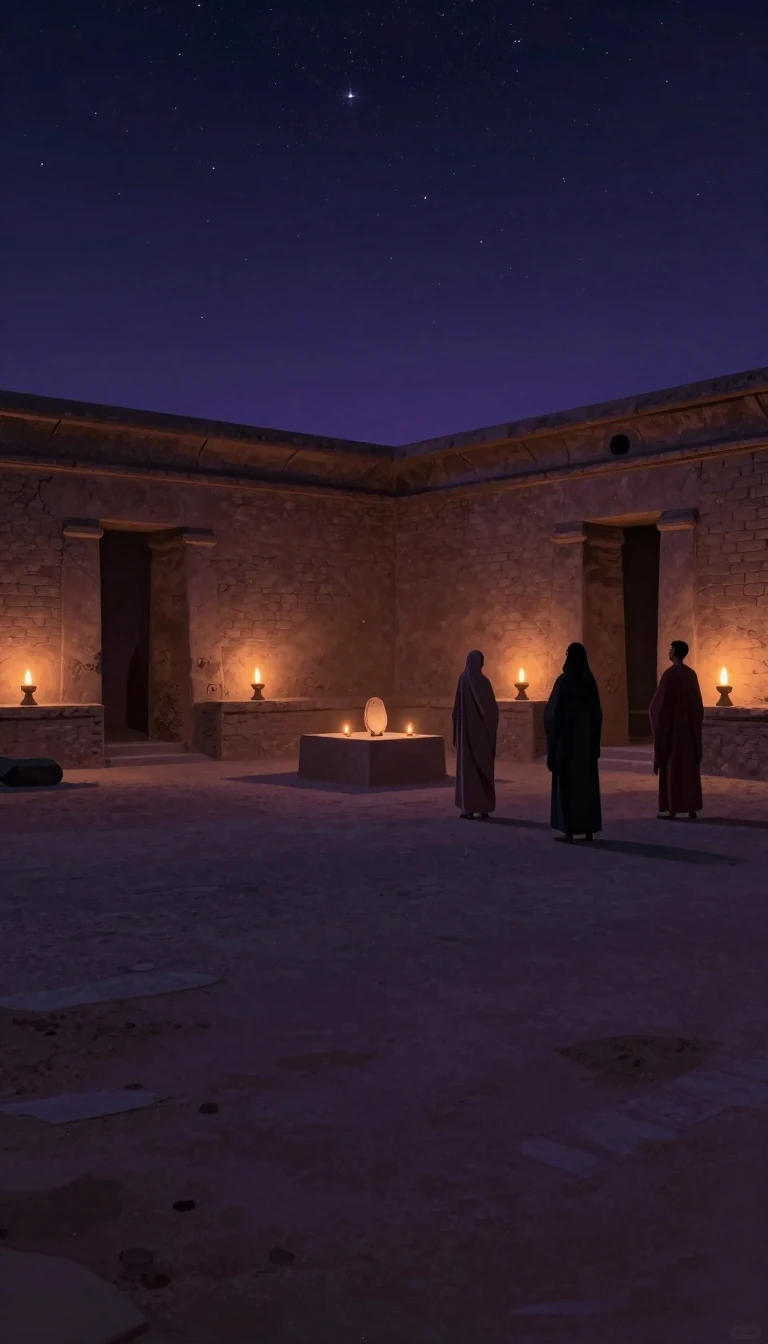
In short: Known as the city of 401 deities, Ifẹ is an ancient Yoruba center in Nigeria that once dominated regional trade. Beyond its spiritual significance, the city was a sophisticated industrial powerhouse, producing unique glass beads and naturalistic sculptures that reached as far as Mali, Mauritania, and Ghana centuries ago.
Founded between 1000 BC and 500 BC, Ilé-Ifẹ̀ is the spiritual heart of the Yoruba people. According to tradition, the city was established by the deity Ọbatala under the order of the Supreme God Olódùmarè, though the task was later completed by his rival, Oduduwa. This myth of origin is central to the city's identity, with the name Ifẹ itself meaning 'expansion.' The city's royal lineage traces back to this foundational era, and the Oòni, or king, serves as the custodian of this sacred history. The current ruler, Oba Adeyeye Enitan Ogunwusi Ojaja II, ascended to the throne in 2015 as the 51st Oòni.
By 900 AD, Ifẹ had emerged as a major West African emporium. It is perhaps most famous for its artistic legacy, particularly the naturalistic bronze, stone, and terracotta sculptures produced between 1200 and 1400 AD. These works, often attributed to the patronage of King Obalufon II, are distinguished by their unique facial markings and body proportions. Artists of the time depicted kings and gods with large heads, reflecting the Yoruba belief that 'Ase'—the inner power and energy of a person—resides in the head. This artistic tradition was so refined that it remains a significant example of pre-colonial African naturalism.
The city was also a pioneer in industrial technology. Excavations at the sacred Igbo Olokun grove have revealed evidence of an advanced glass-making industry that flourished between the 11th and 15th centuries. Using locally sourced recipes and pyrotechnology, Ifẹ artisans created high-lime and high-alumina glass beads that served as a vital currency for negotiating political and economic power across the trans-Saharan and trans-Atlantic trade networks. While the city's political influence eventually shifted toward the neighboring kingdom of Benin, Ifẹ remains a vital cultural and educational hub, home to institutions like the Obafemi Awolowo University and a population of over 350,000 people.
Opens the Intellect+ feed with this card first. Swipe up for the next one.
Sources
- Summary by Intellect · source: Ifẹ
To cite this card, link to https://intellectplus.co.uk/app/places-if.
How we source, check and correct cards: Editorial standards.
General information, not professional advice. Spotted an error? Flag the card or see corrections and complaints.
Intellect Plus is a visual educational discovery platform for exploring fascinating facts and ideas. Brain Food, Not Brain Rot. What is Intellect Plus?
Related
More in Africa · More in Countries & Cities · Latest · A–Z · All topics
