Ilorin: The Yoruba city that became a Fulani emirate and a trade powerhouse
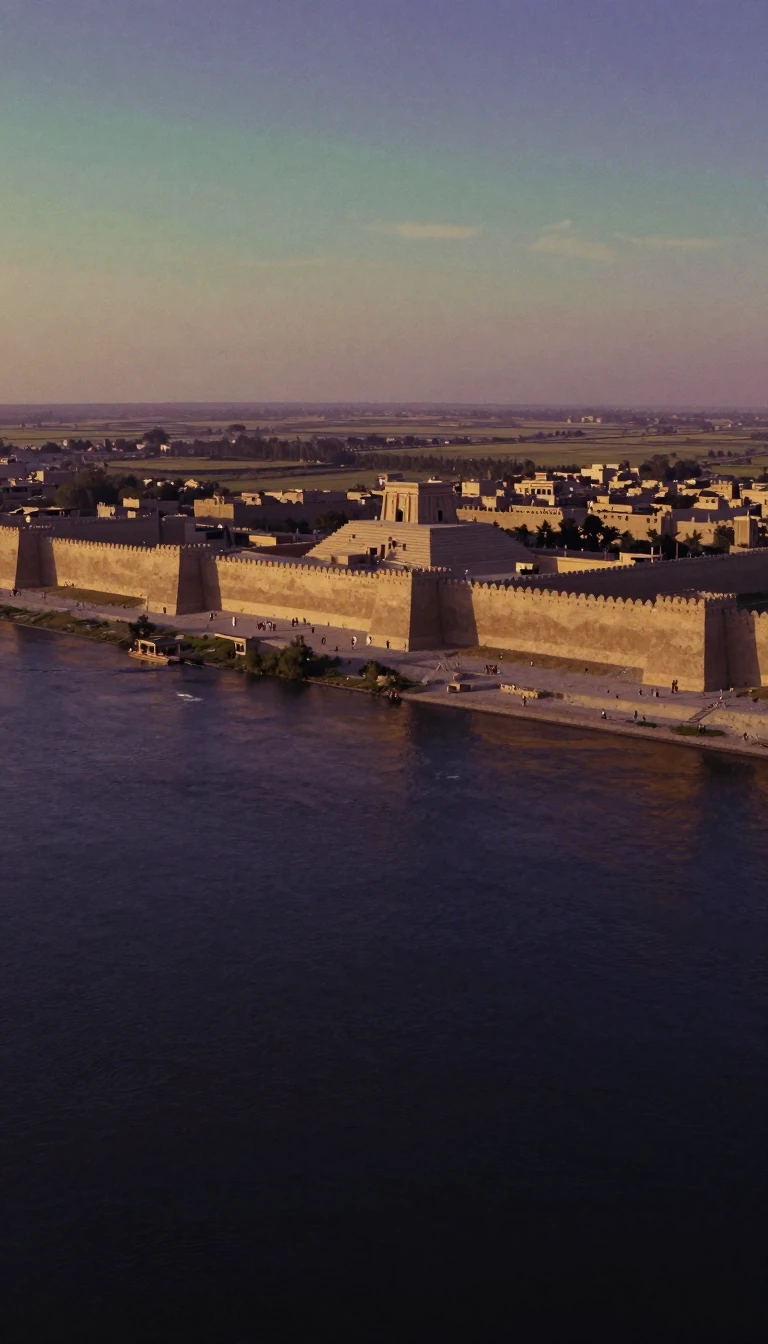
In short: Founded by Yoruba people in the late 18th century, Ilorin transformed from an Oyo Empire military outpost into a powerful Muslim emirate. Today, this Nigerian capital serves as a vital industrial and commercial hub, bridging the cultural and economic divide between the country's north and south.
Ilorin’s identity is defined by a complex history of rebellion and shifting allegiances. Originally a Yoruba settlement, it served as a provincial military base for the Oyo Empire. In 1817, the local field marshal, Afonja, led a revolt that fractured the empire. He initially sought support from the Fulani preacher Mallam Alimi, but the alliance soured. Following Afonja’s assassination, Alimi’s son, Abd al-Salam, assumed control and pledged allegiance to the Sokoto Caliphate around 1829. This transition solidified Ilorin as a Muslim emirate, a status that persists today through its traditional ruler, who maintains a Fulani heritage despite the city’s predominantly Yoruba population.
Throughout the 19th century, Ilorin leveraged its strategic location to become a major trade node between the Hausa-dominated north and the Yoruba south. Its military strength was formidable; in 1837, the emirate destroyed the Oyo capital, Oyo Ile. Its expansionist jihad toward the sea was only halted in 1840 by the Ibadan army at Oshogbo. The city’s resistance to external control lasted until 1897, when the Royal Niger Company arrived. By 1900, Ilorin was uniquely incorporated into the British Northern Nigeria Protectorate, setting it apart from the rest of Yorubaland.
Modern Ilorin has evolved into a significant industrial and educational center. It is home to the University of Ilorin and Kwara State Polytechnic, serving as a hub for both commerce and research. The city’s economy is supported by a diverse range of industries, including food processing, sugar refining, and the manufacturing of matches and soap. Its agricultural market remains robust, trading in crops like yams, cassava, and shea nuts. With a 2016 estimated urban population of 960,000, the city remains a critical junction, connected to the rest of Nigeria via an extensive network of highways, railways, and an international airport.
Opens the Intellect+ feed with this card first. Swipe up for the next one.
Sources
- Summary by Intellect · source: Ilorin | Nigeria, Map, Facts, & Population | Britannica
- Also: Ilorin
To cite this card, link to https://intellectplus.co.uk/app/places-ilorin.
How we source, check and correct cards: Editorial standards.
General information, not professional advice. Spotted an error? Flag the card or see corrections and complaints.
Intellect Plus is a visual educational discovery platform for exploring fascinating facts and ideas. Brain Food, Not Brain Rot. What is Intellect Plus?
Related
More in Africa · More in Countries & Cities · Latest · A–Z · All topics
