Why do so many Canadian airport codes start with the letter Y?
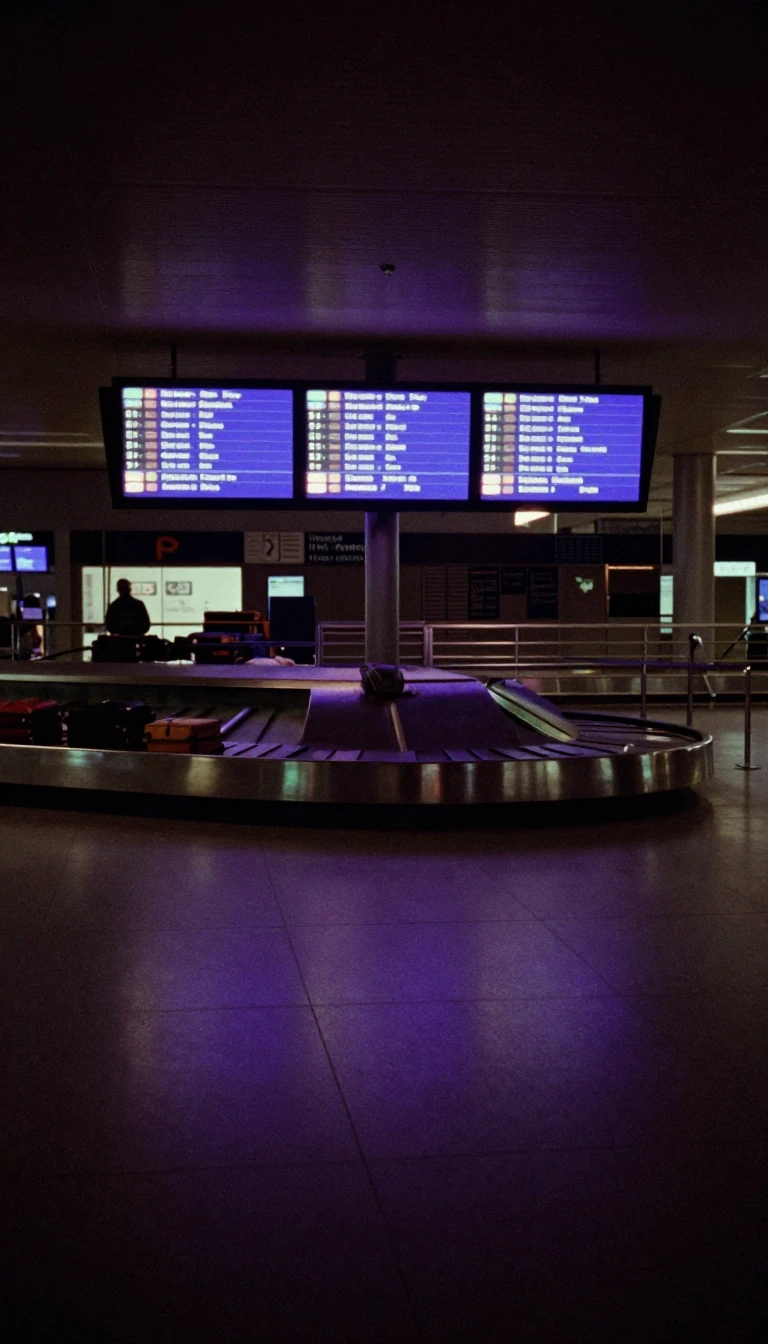
In short: You might assume YYZ or YVR are just random letters, but they are actually remnants of a 1930s weather-reporting system. These codes were built on top of old railway telegraph signals, creating a unique, cryptic geography that persists in modern aviation long after the original infrastructure faded away.
The three-letter IATA code system emerged in the 1930s as a solution to the limitations of two-letter identifiers used by the National Weather Service. While two letters provided only a few hundred combinations, a three-letter system offered 17,576 permutations. These codes were designed to be terse and easily transmitted via Morse code and radiotelegraphy, reflecting the communication standards of the era.
Canada’s system is particularly distinct because it integrated existing railway station codes. When the government established airports, it adopted these railway identifiers and added a prefix. A 'Y' indicated the presence of a weather station, while other letters like 'W', 'X', or 'Z' were used for different technical designations. For example, 'Y' stood for 'Yes' regarding weather reporting, and 'Z' was used if a code conflicted with an existing U.S. airport identifier. This explains why major Canadian hubs like Ottawa (YOW) and Calgary (YYC) carry these prefixes.
Elsewhere, the logic behind codes varies wildly. In the United States, some airports adopted 'irregular' codes to avoid confusion with broadcast call signs starting with 'W' or 'K', or because the U.S. Navy reserved 'N' codes. This led to names like Nashville (BNA) and Kansas City (MCI), which bear little resemblance to the city names. Other codes are derived from former facility names, such as Orlando (MCO) for McCoy Air Force Base, or even local figures, like Kahului (OGG) for Jimmy Hogg.
While many codes simply use the first three letters of a city, the system is a patchwork of history, pronunciation, and administrative necessity. Some reflect local phonetics, like Nadi (NAN), while others serve metropolitan areas with multiple airports, such as Paris (CDG) or Washington, D.C. (IAD, DCA, BWI). Despite their often cryptic nature, these codes have become essential brand markers, occasionally even entering pop culture, as seen with the band Rush’s song 'YYZ'.
Opens the Intellect+ feed with this card first. Swipe up for the next one.
Sources
- Summary by Intellect · source: IATA airport code
- Also: Wikidata — IATA airport code · CC0
To cite this card, link to https://intellectplus.co.uk/app/places-iata-airport-code.
How we source, check and correct cards: Editorial standards.
General information, not professional advice. Spotted an error? Flag the card or see corrections and complaints.
Intellect Plus is a visual educational discovery platform for exploring fascinating facts and ideas. Brain Food, Not Brain Rot. What is Intellect Plus?
Related
More in Cities · More in Countries & Cities · Latest · A–Z · All topics
