Juba: A river-side village turned capital that remains a work in progress
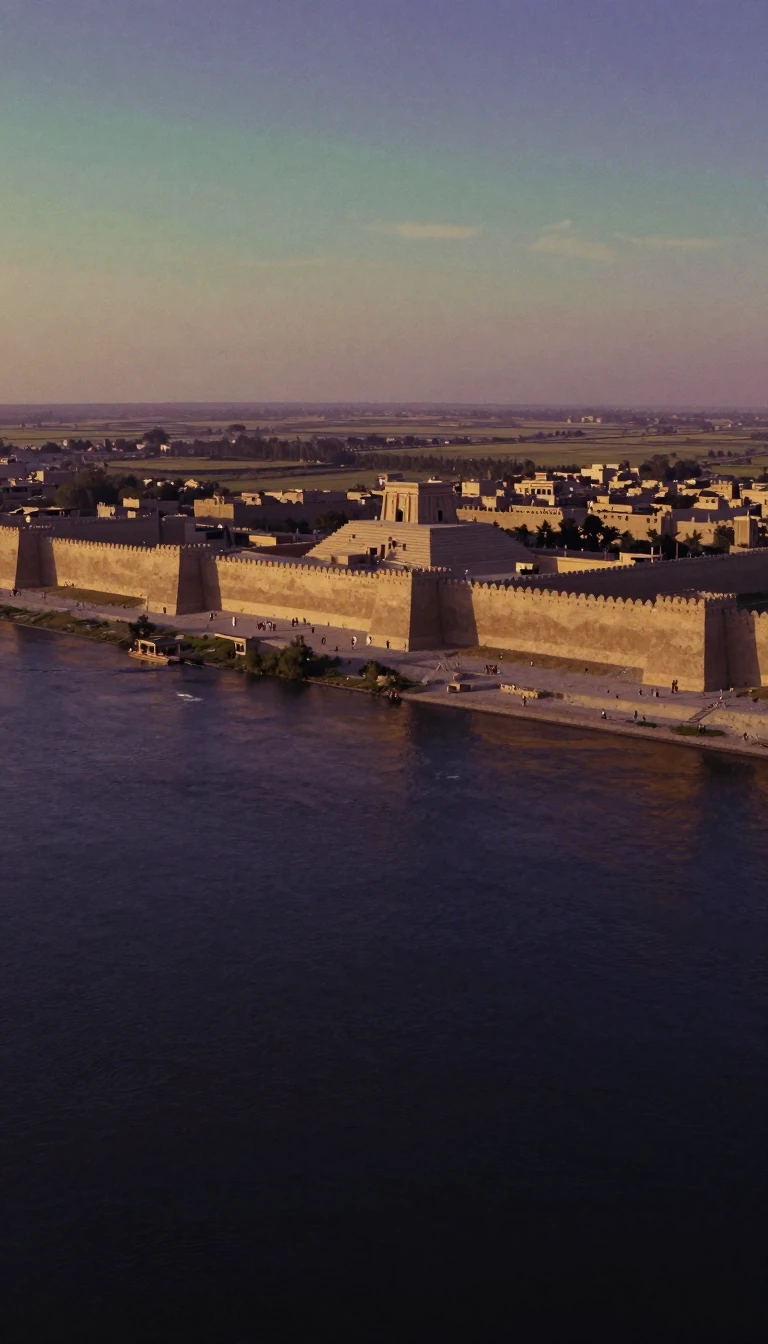
In short: Established in 1920 as a small mission outpost, Juba transformed into the capital of the world's youngest nation. Despite its rapid growth and strategic position on the White Nile, the city faces ongoing infrastructure challenges, ethnic tensions, and a government-approved plan to eventually relocate the capital to Ramciel.
Juba was founded in 1920–21 by the Church Missionary Society on the site of a small Bari village. Its selection as the capital of Mongalla Province was driven by its proximity to river transport on the Nile and the presence of the mission's school. By the late 1920s, Anglo-Egyptian officials ordered the local Bari residents to relocate to make room for the new town, and by 1927, major construction was underway. Greek merchants, who supplied the British Army, played a central role in this early development, constructing many of the city's enduring downtown structures, including the Juba Hotel and the Central Bank building.
The city's trajectory shifted dramatically following the 2005 Comprehensive Peace Agreement, which designated Juba as the capital of the Autonomous Government of Southern Sudan. Following the country's formal independence on 9 July 2011, the city experienced a massive population surge, growing from approximately 250,000 in 2006 to over one million by 2017. This rapid expansion turned the city into an amalgamation of villages, often marked by ethnic tensions and informal governance structures as neighborhood authorities replaced defunct official offices.
Despite its status as the national capital, Juba's suitability has been frequently questioned. In September 2011, the government announced plans to move the capital to Ramciel, a site located 250 km away, though this transition has yet to occur as of January 2026. The city has also been a focal point of conflict, enduring significant violence during the civil wars that began in 2013 and 2016. Today, Juba remains a critical hub for United Nations aid and regional commerce, yet it continues to struggle with the repair of its war-damaged transport infrastructure and the integration of refugees fleeing regional instability.
Opens the Intellect+ feed with this card first. Swipe up for the next one.
Sources
- Summary by Intellect · source: Juba
- Also: Wikidata — Juba · CC0
- Also: www.britannica.com — Juba | South Sudan, Map, & Facts | Britannica
- Also: Wikidata — Juba · CC0
To cite this card, link to https://intellectplus.co.uk/app/places-juba.
How we source, check and correct cards: Editorial standards.
General information, not professional advice. Spotted an error? Flag the card or see corrections and complaints.
Intellect Plus is a visual educational discovery platform for exploring fascinating facts and ideas. Brain Food, Not Brain Rot. What is Intellect Plus?
Related
More in Capital cities · More in Countries & Cities · Latest · A–Z · All topics
