The James River is the only place in America where skyscrapers overlook class III rapids.
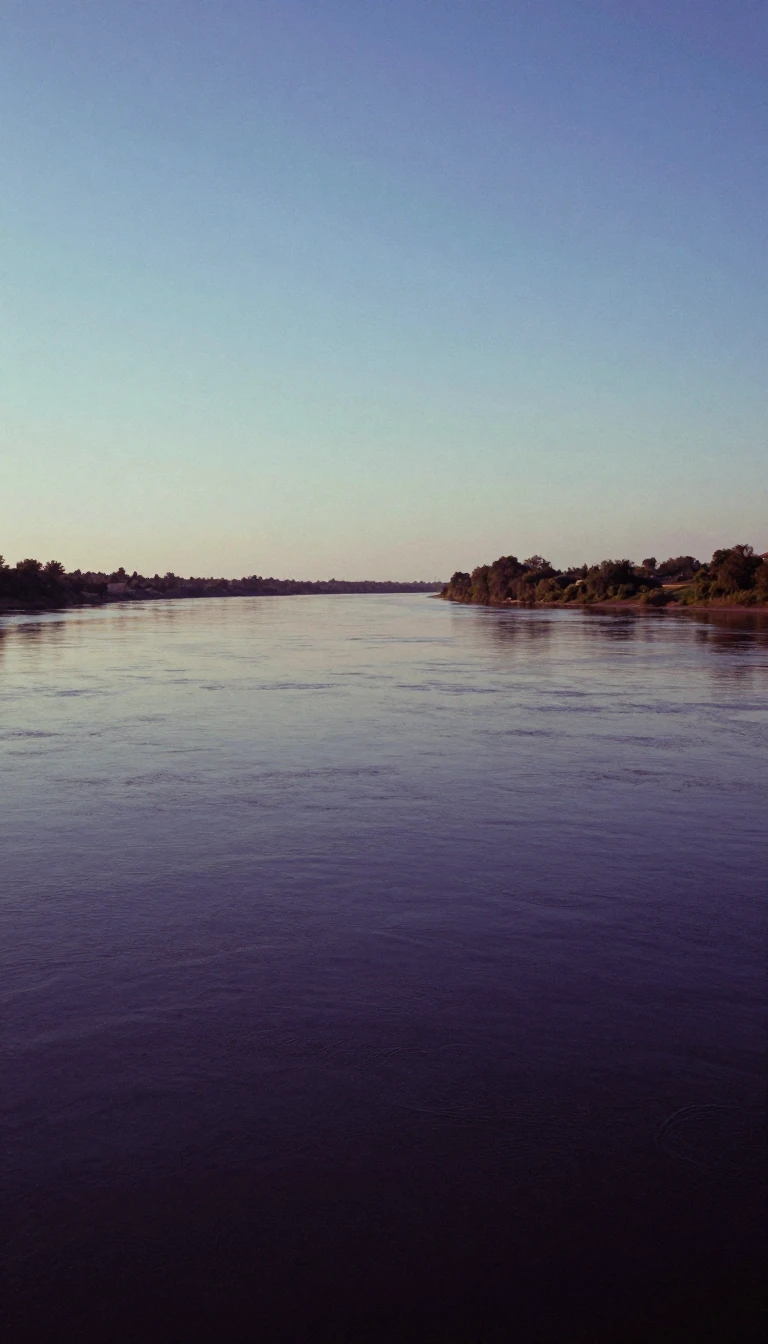
In short: Flowing 444 miles from the Appalachian Mountains to the Chesapeake Bay, the James River has been the lifeblood of Virginia since 1607. From colonial tobacco exports to a modern urban whitewater destination, this waterway has survived industrial pollution and shifting technologies to remain a vital environmental and economic artery.
The James River begins at the confluence of the Cowpasture and Jackson Rivers, carving a path through Virginia that shaped the state's history. Early English colonists named it for King James I in 1607, establishing their first permanent settlement along its banks. For the colony's first 15 years, the river served as the primary highway for supplies and emigrants. By 1612, John Rolfe’s successful cultivation of tobacco turned the river into a bustling export route, lined with plantations and wharves that fueled the Virginia Company of London’s financial success.
The river's geography is defined by the fall line at Richmond, where the transition from rocky, fast-paced currents to wide, tidal flows occurs. This feature dictated settlement patterns and limited ocean-going navigation to the area below Richmond. While 19th-century efforts like the James River and Kanawha Canal attempted to link the river to the Ohio Valley for trade, the rise of railroads—specifically the Chesapeake and Ohio Railway—rendered these canal projects obsolete by the 1870s. Today, the river remains a critical transport corridor, hosting the 'ghost fleet' of mothballed merchant vessels at Fort Eustis.
The river's modern health is a testament to recovery. In the 1970s, industrial dumping of the insecticide Kepone forced a 13-year ban on fishing across 100 miles of the river. Following the 1983 Chesapeake Bay Agreement, environmental protections helped restore the ecosystem. Today, the river supports diverse wildlife, including the nearly extirpated Atlantic sturgeon, and serves as a unique recreational hub. It is the only location in the United States where intense class III whitewater conditions exist within view of a major city's skyline, blending historical significance with contemporary urban life.
Opens the Intellect+ feed with this card first. Swipe up for the next one.
Sources
- Summary by Intellect · source: James River
- Also: Wikidata — James River · CC0
- Also: Wikidata — James River · CC0
To cite this card, link to https://intellectplus.co.uk/app/places-james-river.
How we source, check and correct cards: Editorial standards.
General information, not professional advice. Spotted an error? Flag the card or see corrections and complaints.
Intellect Plus is a visual educational discovery platform for exploring fascinating facts and ideas. Brain Food, Not Brain Rot. What is Intellect Plus?
Related
More in Bodies of water · More in Countries & Cities · Latest · A–Z · All topics
