The 444-mile river that shaped American history but never carried commercial boat traffic.
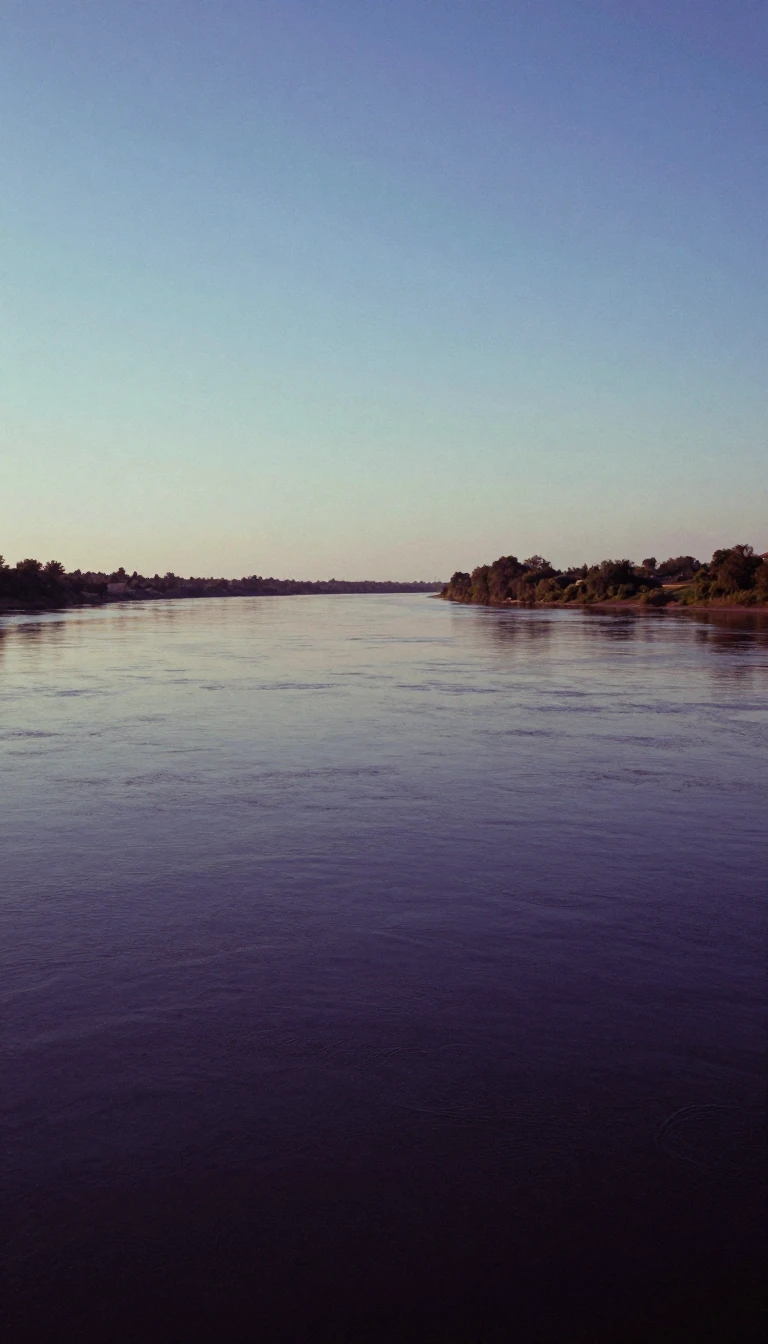
In short: Spanning 444 miles, the Susquehanna is the longest river on the U.S. East Coast. Despite its massive scale and role in early industrial transport, it remains the longest river in the continental United States without commercial boat traffic, serving instead as a vital, often turbulent, artery of American history.
Geologically ancient, the Susquehanna may be up to 340 million years old, cutting through Appalachian folds and rift basins. Its name, likely derived from the Lenape term for 'muddy river' or 'oyster river,' reflects the deep connection Indigenous peoples, including the Susquehannock and Lenape, held with its waters. By the 18th century, the valley became a primary corridor for European expansion, drawing thousands of German and Scots-Irish settlers who established farms and industrial outposts.
The river's history is marked by intense conflict and rapid transformation. During the 18th century, it was a theater for the French and Indian War and the American Revolution, including the 1779 scorched-earth campaign led by James Clinton. Later, the 19th century saw a frantic attempt to harness the river for commerce. Canals were carved alongside its banks to transport anthracite coal, but these were quickly rendered obsolete by the speed and efficiency of the burgeoning railroad industry. Today, the river remains a major infrastructure corridor, crossed by 200 bridges, including the world's longest stone masonry arch bridge, the Rockville Bridge.
Beyond industry, the river holds spiritual significance, particularly for the Latter Day Saint movement. In 1829, Joseph Smith and Oliver Cowdery claimed to have received the priesthood from heavenly beings near its banks in Pennsylvania, subsequently performing their first baptisms in the North Branch. Yet, the river remains a powerful, unpredictable force. Its basin is prone to catastrophic flooding, most notably during 1972’s Hurricane Agnes, which devastated communities like Wilkes-Barre and Harrisburg, and permanently altered the Chesapeake Bay’s ecosystem by flooding it with massive volumes of freshwater.
Opens the Intellect+ feed with this card first. Swipe up for the next one.
Sources
- Summary by Intellect · source: Susquehanna River
- Also: Wikidata — Susquehanna River · CC0
- Also: Wikidata — Susquehanna River drainage basin · CC0
To cite this card, link to https://intellectplus.co.uk/app/places-susquehanna-river.
How we source, check and correct cards: Editorial standards.
General information, not professional advice. Spotted an error? Flag the card or see corrections and complaints.
Intellect Plus is a visual educational discovery platform for exploring fascinating facts and ideas. Brain Food, Not Brain Rot. What is Intellect Plus?
Related
More in Bodies of water · More in Countries & Cities · Latest · A–Z · All topics
