India's Steel City was built on a village and remains a unique corporate anomaly.
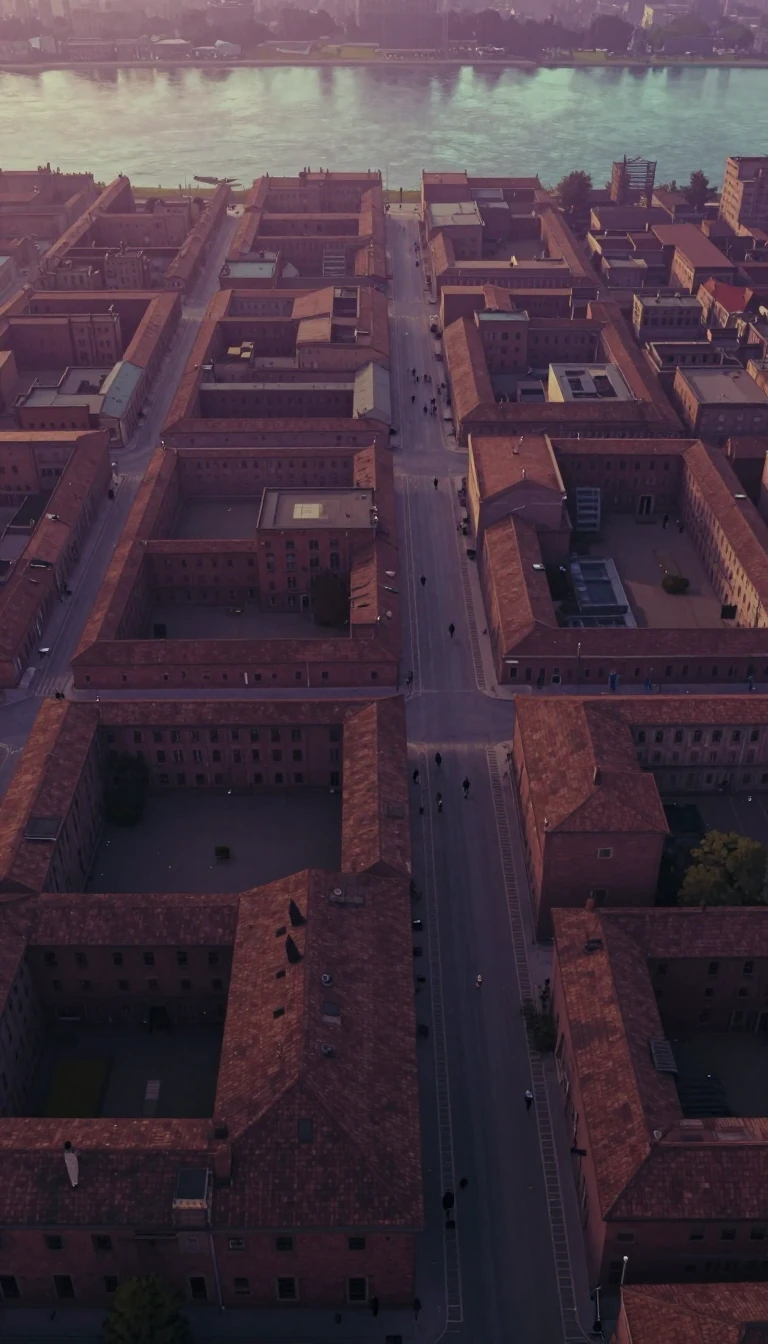
In short: Jamshedpur is a planned industrial powerhouse that defies standard urban governance. Conceived by Jamshedji Tata and carved out of dense forest in 1908, it stands as the only Indian city with over a million residents that operates without a municipal corporation, relying instead on private company management for its essential services.
The city originated from a vision to secure national strength through industrial independence. Inspired by Thomas Carlyle’s assertion that control of iron leads to control of gold, Jamshedji Tata tasked his son, Dorabji, with finding a location rich in natural resources. After a three-year search across inhospitable terrain, prospectors selected the village of Sakchi, situated at the confluence of the Subarnarekha and Kharkai rivers. Construction began in 1908, and the first steel ingot was produced by 1912.
Jamshedji’s planning philosophy was remarkably progressive for the era. He insisted on wide, tree-lined streets, ample public gardens, and designated spaces for diverse religious institutions, including temples, mosques, and churches. This layout was formalized by the Pittsburgh-based firm Messrs Julin Kennedy Sahlin. In 1919, Lord Chelmsford officially named the settlement Jamshedpur to honor its founder. The city’s industrial output proved vital during both World Wars, supplying steel for British military campaigns and manufacturing armored carriers.
The city's development has been marked by both rapid growth and significant social challenges. Following the 1921 census, the population surged by over 900 percent due to massive migration. Over the decades, Jamshedpur has weathered communal violence, labor unrest, and organized crime, the latter of which was curtailed by police crackdowns in the mid-1990s. Despite multiple attempts by state authorities to transition the city into a standard municipal structure, the local populace has consistently resisted, preferring the current model.
Today, Jamshedpur serves as the industrial capital of Jharkhand, hosting major entities like Tata Steel and Tata Motors. It maintains a distinct multicultural character, with residents speaking a variety of languages including Hindi, Bengali, and Santali. Beyond its heavy industrial base, the city has gained recognition for its quality of life, cleanliness, and emerging role as an IT and engineering hub, all while maintaining its unique status as a private-sector-governed urban center.
Opens the Intellect+ feed with this card first. Swipe up for the next one.
Sources
- Summary by Intellect · source: Jamshedpur
- Also: Wikidata — Jamshedpur · CC0
To cite this card, link to https://intellectplus.co.uk/app/places-jamshedpur.
How we source, check and correct cards: Editorial standards.
General information, not professional advice. Spotted an error? Flag the card or see corrections and complaints.
Intellect Plus is a visual educational discovery platform for exploring fascinating facts and ideas. Brain Food, Not Brain Rot. What is Intellect Plus?
Related
More in Major world cities · More in Countries & Cities · Latest · A–Z · All topics
