Beneath the Lebanon Mountains lies a roaring river system that sustains a capital city.
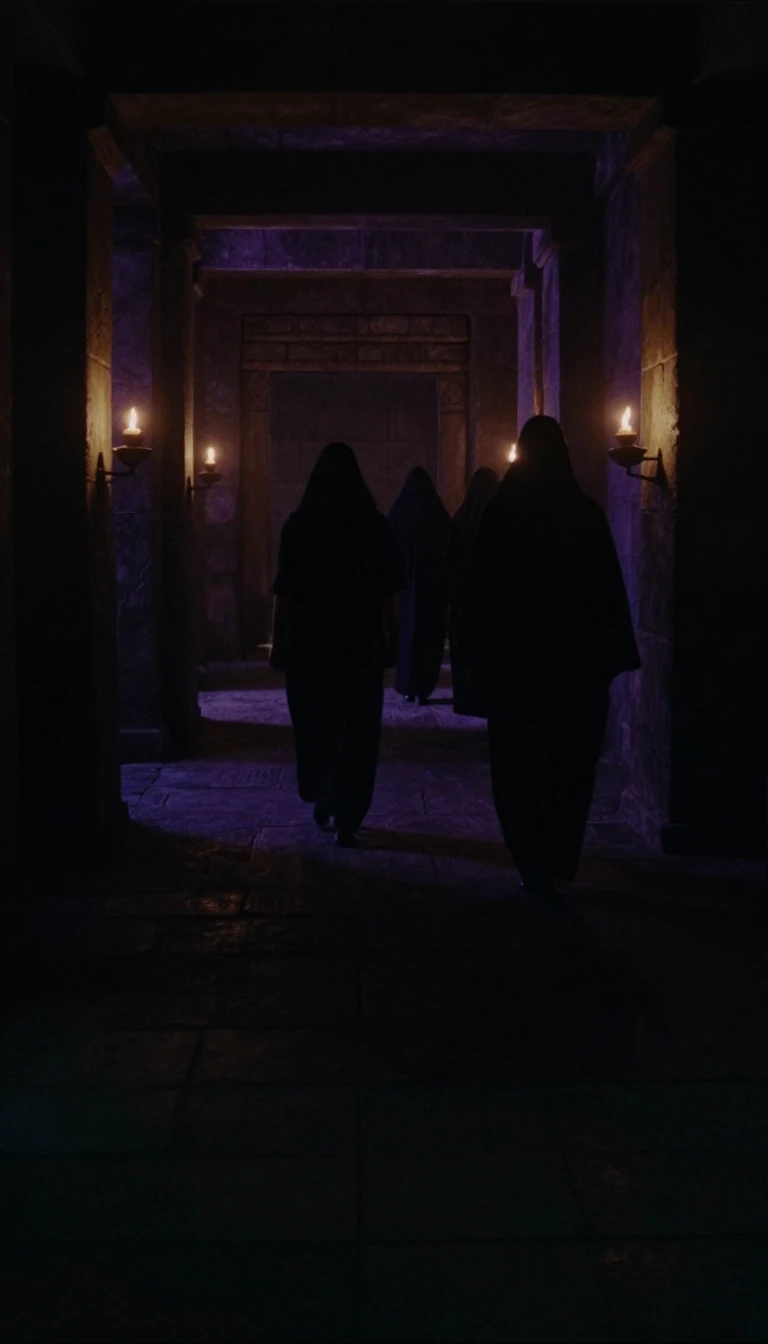
In short: The Jeita Grotto is more than a stunning limestone labyrinth. This nine-kilometre subterranean network acts as a vital artery for Beirut, providing fresh drinking water to over a million people. Beyond its ecological importance, the cave has served as an ancient foundry, a military bunker, and a world-class concert hall.
Located in the Nahr al-Kalb valley, the Jeita Grotto is a complex of two interconnected karstic limestone caves. The lower level, rediscovered in 1836 by Reverend William Thomson, channels an underground river that serves as the primary water source for Beirut. The upper galleries, discovered in 1958, sit 60 metres above and house the world's largest known stalactite, measuring 8.2 metres in length. These formations, ranging from pure white calcite to iron-oxide-stained red, were created over millions of years as carbonic acid dissolved the surrounding Jurassic limestone.
The site’s history is as layered as its geology. Archaeological excavations in nearby shelters have revealed evidence of human activity dating back to the Paleolithic and Neolithic periods, including flint tools and pottery. In more recent centuries, the grotto has been a site of exploration and cultural significance. Engineers and explorers in the 1870s famously left their names on a limestone pillar, while the 20th century saw the caves host avant-garde concerts by composers like Karlheinz Stockhausen and Francois Bayle. The grotto even became a national symbol, appearing on Lebanese currency and postage stamps.
Despite its status as a premier tourist destination, the grotto faces modern challenges. The site was closed during the Lebanese civil war, when its tunnels were repurposed for military storage, and it only reopened to the public in 1995. Today, environmental concerns persist, particularly regarding water pollution from agricultural and domestic runoff. While the grotto remains a major economic driver—supporting local employment and contributing to national tourism revenue—the delicate balance between its role as a vital water utility and a recreational show cave remains a central focus for its management.
Opens the Intellect+ feed with this card first. Swipe up for the next one.
Sources
- Summary by Intellect · source: Jeita Grotto
- Also: Wikidata — Jeita Grotto · CC0
- Also: Wikidata — Jeita Grotto Ropeway · CC0
To cite this card, link to https://intellectplus.co.uk/app/places-jeita-grotto.
How we source, check and correct cards: Editorial standards.
General information, not professional advice. Spotted an error? Flag the card or see corrections and complaints.
Intellect Plus is a visual educational discovery platform for exploring fascinating facts and ideas. Brain Food, Not Brain Rot. What is Intellect Plus?
Related
More in Other terrestrial features · More in Countries & Cities · Latest · A–Z · All topics
