A hidden subterranean world formed from the bottom up by sulfuric acid
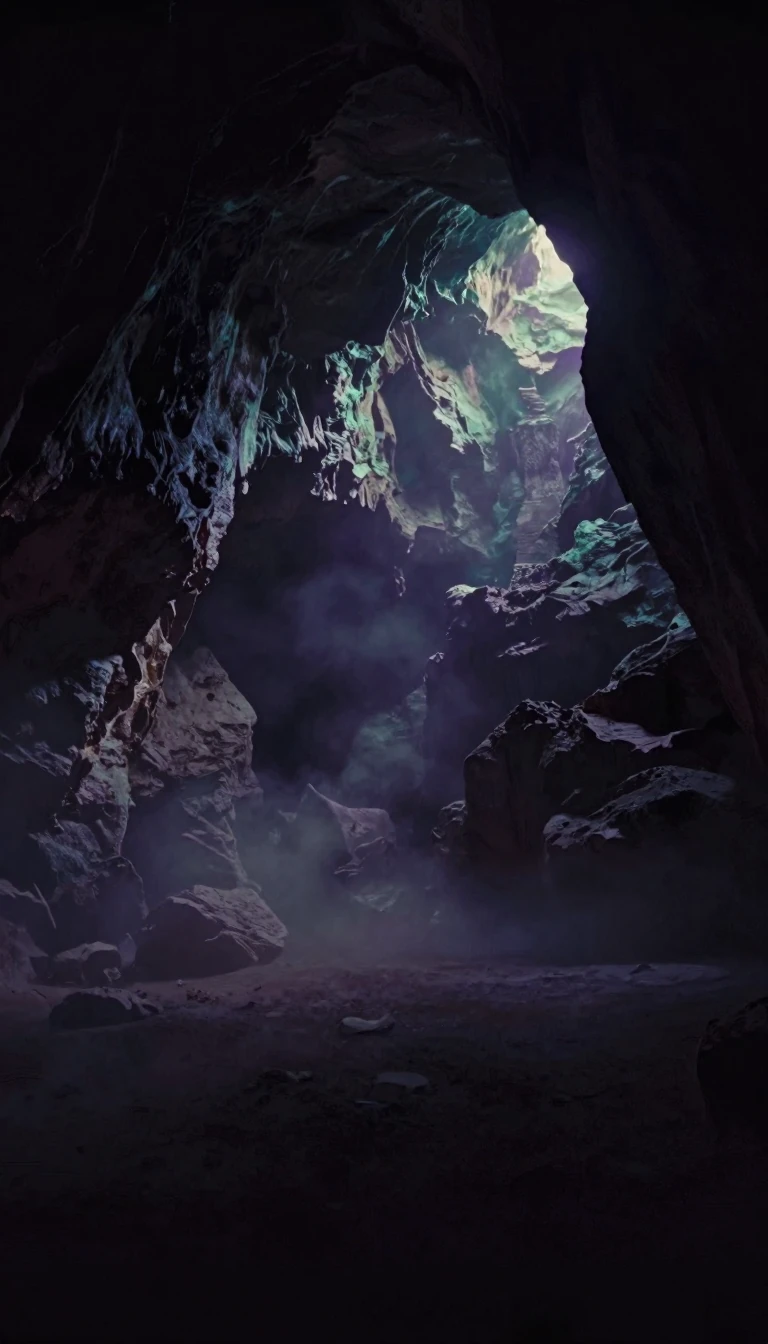
In short: Long dismissed as a minor, dead-end pit in New Mexico, Lechuguilla Cave was revealed in 1986 to be a vast, pristine labyrinth. It is a geological anomaly, carved by sulfuric acid rising from oil deposits rather than traditional rainwater, and it remains a strictly protected laboratory for rare, ancient microbial life.
For decades, Lechuguilla Cave was known only as a small, 400-foot-long historic site in Carlsbad Caverns National Park, where miners once extracted bat guano. The breakthrough occurred in 1986 when a team from the Colorado Grotto, led by Dave Allured, dug through rubble to discover massive, naturally occurring passages. Since then, explorers have mapped over 150 miles of tunnels, revealing a subterranean environment that far exceeds the nearby Carlsbad Cavern in both depth and the variety of its rare formations.
Unlike most caves, which are shaped by carbonic acid from surface water moving downward, Lechuguilla formed from the bottom up. Scientists believe hydrogen sulfide gas migrated from nearby oil deposits, creating sulfuric acid that dissolved the rock from below. This unique process has produced an array of extraordinary speleothems, including 20-foot gypsum chandeliers, lemon-yellow sulfur deposits, and delicate hydromagnesite balloons. It is the first cave to allow researchers to study five distinct geologic formations from within the Guadalupe Mountains.
The cave is also a frontier for microbiology. It hosts rare chemolithoautotrophic bacteria that feed on sulfur, iron, and manganese, potentially influencing the cave's growth and the shape of its crystals. Some of these microbes are ancient; a 4-million-year-old strain of Paenibacillus found in the cave exhibits natural resistance to modern antibiotics like daptomycin. While these organisms are fascinating, they are not entirely independent of the sun, as they rely on atmospheric oxygen produced by surface photosynthesis to process energy from groundwater hydrogen sulfide.
Today, access is strictly limited to scientific and management teams to preserve the cave's fragile state. Its future remains a point of concern, as the passages may extend beyond park boundaries into Bureau of Land Management territory. Proposed oil and gas drilling in these adjacent areas poses a significant threat, as any leakage could devastate the cave's unique ecosystem or trigger dangerous explosions.
Opens the Intellect+ feed with this card first. Swipe up for the next one.
Sources
- Summary by Intellect · source: Lechuguilla Cave
- Also: Wikidata — Lechuguilla Cave · CC0
To cite this card, link to https://intellectplus.co.uk/app/places-lechuguilla-cave.
How we source, check and correct cards: Editorial standards.
General information, not professional advice. Spotted an error? Flag the card or see corrections and complaints.
Intellect Plus is a visual educational discovery platform for exploring fascinating facts and ideas. Brain Food, Not Brain Rot. What is Intellect Plus?
Related
More in Other terrestrial features · More in Countries & Cities · Latest · A–Z · All topics
