Beneath the Kenyan landscape lies a massive, ancient lava tube stretching over eleven kilometers.
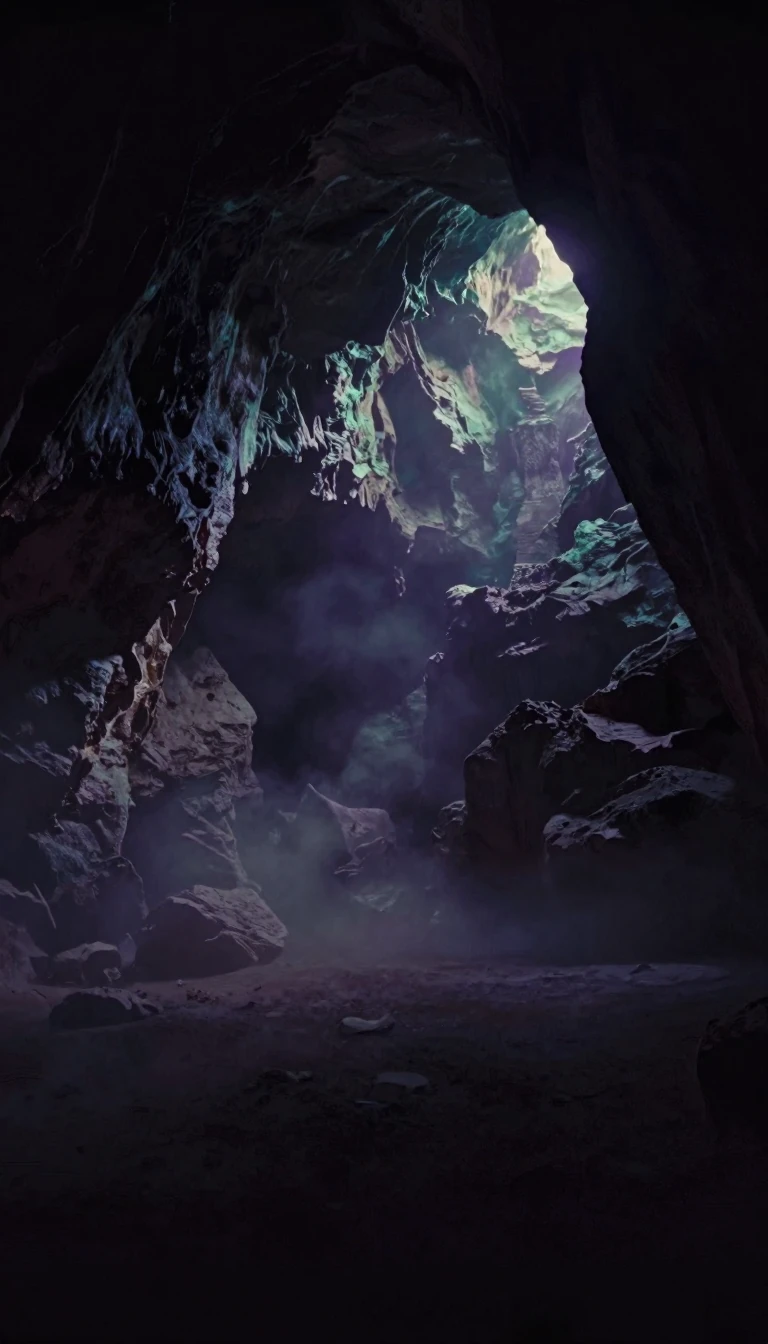
In short: Hidden within the Chyulu Hills of eastern Kenya, Leviathan Cave stands as Africa's longest and deepest lava tube. First documented in 1975, this subterranean wonder was carved by molten rock flowing beneath a hardened crust. Though tectonic activity has fractured its path, it remains a geological marvel of significant scale.
Formed through the cooling of volcanic flows, lava tubes represent a unique subterranean architecture. Leviathan Cave, also referred to as the Grotte de Leviathan, exemplifies this process. It is situated at the edge of the Nyiri Desert, positioned northwest of Tsavo West National Park. Since its discovery in 1975, the site has drawn interest for its immense proportions, which once placed it among the top three longest lava tubes globally during the 1980s.
Modern exploration and refined surveying techniques have since updated our understanding of global cave systems. While Leviathan Cave has been surpassed by newer discoveries, it retains its status as the longest and deepest lava tube on the African continent. Today, it ranks as the 11th-longest lava tube worldwide. This shift in ranking highlights how our knowledge of the Earth's hidden geography continues to evolve as technology allows for more precise mapping of these complex, dark environments.
The cave is physically divided into two distinct segments: the Upper Leviathan and the Lower Leviathan. The Upper section is notably vast, measuring 9,152 meters in length with a depth of 408 meters. In contrast, the Lower section spans 2,071 meters with a depth of 70 meters. Under current international standards, these two segments are measured and ranked separately. This segmentation is a direct result of tectonic plate movement, which has physically separated the original tube over time, creating the distinct, fragmented structure observed by researchers today.
It is important to distinguish this Kenyan landmark from other similarly named sites, such as the Leviathan Cave Geologic Area located in Lincoln County, Nevada. While the Kenyan cave is a significant volcanic feature, it remains distinct from other regional curiosities like Kitum Cave, which is famous for being mined by elephants for salt. Understanding the specific geological history of the Chyulu Hills provides essential context for why such a massive structure exists in this specific part of East Africa.
Opens the Intellect+ feed with this card first. Swipe up for the next one.
Sources
- Summary by Intellect · source: Leviathan Cave
- Also: Leviathan Cave Geologic Area
- Also: Wikidata — Leviathan Cave · CC0
To cite this card, link to https://intellectplus.co.uk/app/places-leviathan-cave.
How we source, check and correct cards: Editorial standards.
General information, not professional advice. Spotted an error? Flag the card or see corrections and complaints.
Intellect Plus is a visual educational discovery platform for exploring fascinating facts and ideas. Brain Food, Not Brain Rot. What is Intellect Plus?
Related
More in Other terrestrial features · More in Countries & Cities · Latest · A–Z · All topics
