Jeonju: The Ancient Korean Capital That Became a Global Hub for Gastronomy and Film
In short: Known as the ancestral home of the Joseon dynasty, Jeonju has evolved from a historic market town into a vibrant cultural center. Recognized by UNESCO for its culinary heritage, the city now balances its 1,300-year-old traditions with a modern reputation as a premier destination for international filmmakers and food enthusiasts.
Founded as a market town around 57 BC, Jeonju served as the capital of the Later Baekje kingdom under Gyeon Hwon in the 10th century. Its historical significance deepened during the Joseon dynasty, which viewed the city as its ancestral home. This royal connection led to the city being entrusted with the safekeeping of the Annals of the Joseon Dynasty in 1413, a collection that remains extant today. The city's landscape still reflects this past, featuring the Gyeonggijeon shrine, which houses the portrait of the dynasty's founder, Yi Seonggye.
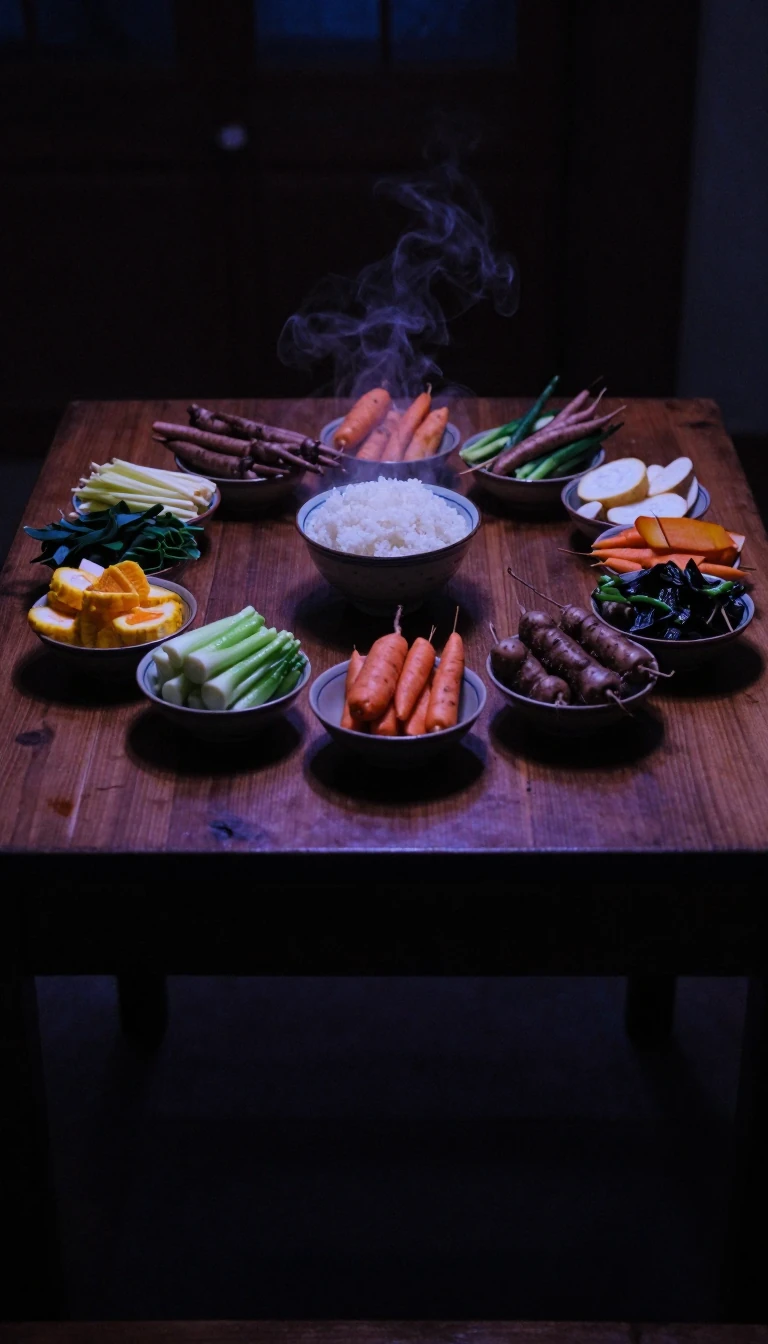
In 2012, UNESCO designated Jeonju a Creative City for Gastronomy, honoring its long-standing culinary traditions, including famous local dishes like bibimbap and kongnamul gukbap. This recognition highlights the city's commitment to nurturing chefs and hosting food festivals. Beyond the kitchen, Jeonju has cultivated a thriving arts scene. The Jeonju International Film Festival, which draws approximately 50,000 visitors annually, is complemented by the Jeonju Film Studio Complex, established in 2009. These facilities have attracted major productions, including the Academy Award-winning film Parasite.
The city's architectural identity is anchored by the Jeonju Hanok Village, a district containing over 800 traditional hanok-style buildings. While Jeonju experienced rapid industrialization after receiving its modern boundaries in 1963, it notably avoided the heavy manufacturing infrastructure seen in other major Korean cities. Instead, it has leaned into tourism and cultural preservation. Today, the city serves as a unique intersection of history and modernity, where visitors can explore Byzantine-style churches like the Jeongdong Catholic Church, built between 1908 and 1914, alongside contemporary concert halls and sports complexes.
Opens the Intellect+ feed with this card first. Swipe up for the next one.
Sources
- Summary by Intellect · source: Jeonju
- Also: Wikidata — Jeonju · CC0
To cite this card, link to https://intellectplus.co.uk/app/places-jeonju.
How we source, check and correct cards: Editorial standards.
General information, not professional advice. Spotted an error? Flag the card or see corrections and complaints.
Intellect Plus is a visual educational discovery platform for exploring fascinating facts and ideas. Brain Food, Not Brain Rot. What is Intellect Plus?
Related
More in Asia · More in Countries & Cities · Latest · A–Z · All topics
