The Pakistani city named for a forest that became a Sial stronghold
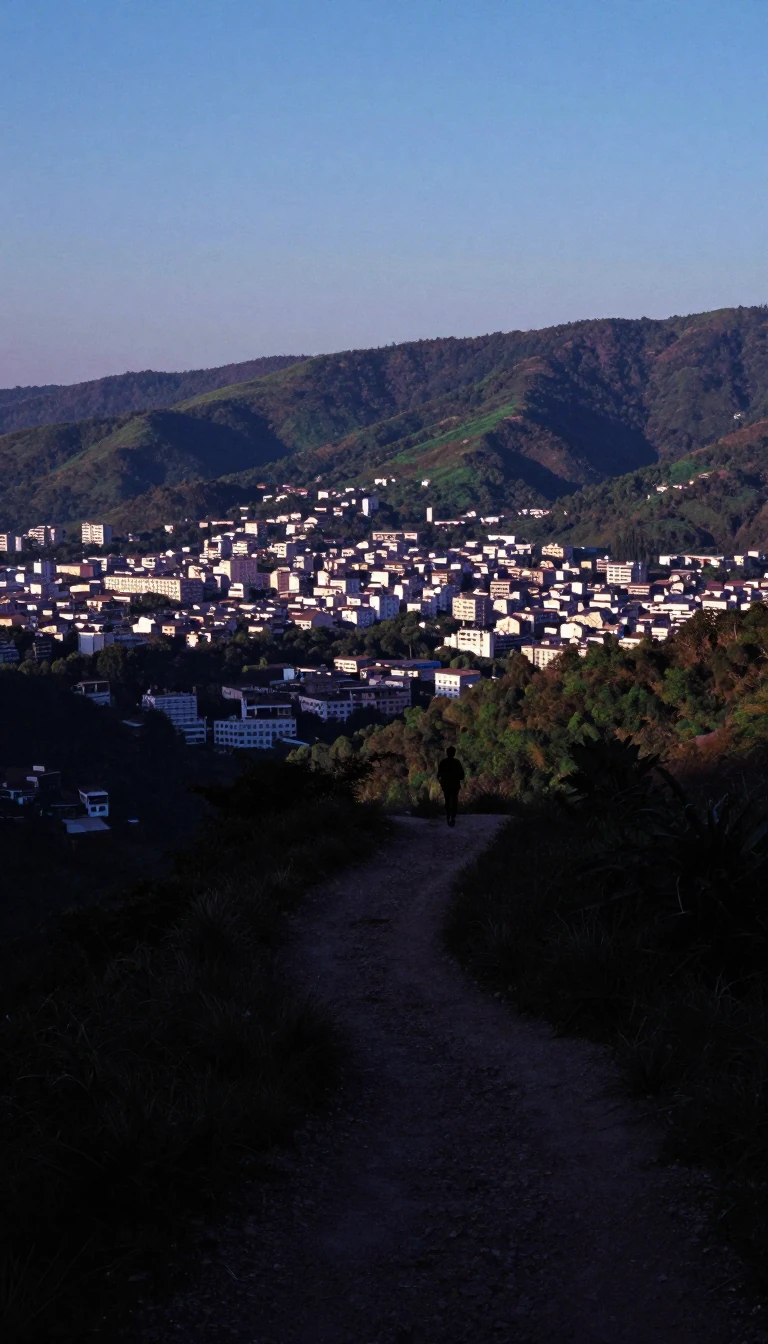
In short: Jhang, the 14th most populous city in Pakistan, sits on the banks of the Chenab River. Its name traces back to a Sanskrit term for wild, forested terrain. Founded in the 13th century, it evolved from a tribal territory into a significant administrative and cultural hub in central Punjab.
The city of Jhang, historically known as Jhang Sial, was established in 1288 by a leader of the Sial tribe named Rai Sial. The Sials maintained control over the region for centuries, expanding their influence significantly by the mid-17th century. At the height of their power, their territory stretched across vast areas, including parts of Chiniot, Kamalia, and Kabirwala, and reached as far as the boundary of Muzafargarh. This dominance was eventually challenged and ended when the final Sial ruler, Ahmad Khan, was defeated by Ranjit Singh following intense conflict between 1812 and 1822.
Geographically, the city is defined by its relationship with the Chenab River. The modern urban area is split between the older town of Jhang, which occupies the lowlands, and Maghiana, which sits on the edge of the highlands. These two settlements were joined into a single municipality during the British colonial era. The area remains ecologically sensitive; in 2014, the city faced a severe threat from flooding, though it was ultimately spared when authorities redirected the water toward the nearby town of Athara Hazari, where the Chenab meets the Jhelum River.
Jhang has served as a birthplace or home for a diverse array of influential figures, ranging from Nobel laureate physicist Abdus Salam to various religious leaders and politicians. The city's cultural and spiritual landscape is deeply tied to the presence of Sufi orders, with figures like Sultan Bahu and Shah Jeewna establishing influential movements here. Today, the city continues to grow rapidly, with census data showing a population increase from 293,366 in 1998 to 414,131 by 2017, reflecting a significant demographic shift over two decades.
Opens the Intellect+ feed with this card first. Swipe up for the next one.
Sources
- Summary by Intellect · source: Jhang
- Also: Wikidata — Jhang · CC0
To cite this card, link to https://intellectplus.co.uk/app/places-jhang.
How we source, check and correct cards: Editorial standards.
General information, not professional advice. Spotted an error? Flag the card or see corrections and complaints.
Intellect Plus is a visual educational discovery platform for exploring fascinating facts and ideas. Brain Food, Not Brain Rot. What is Intellect Plus?
Related
More in Asia · More in Countries & Cities · Latest · A–Z · All topics
