Jigawa State: A Nigerian region balancing ancient traditions with modern economic decentralization
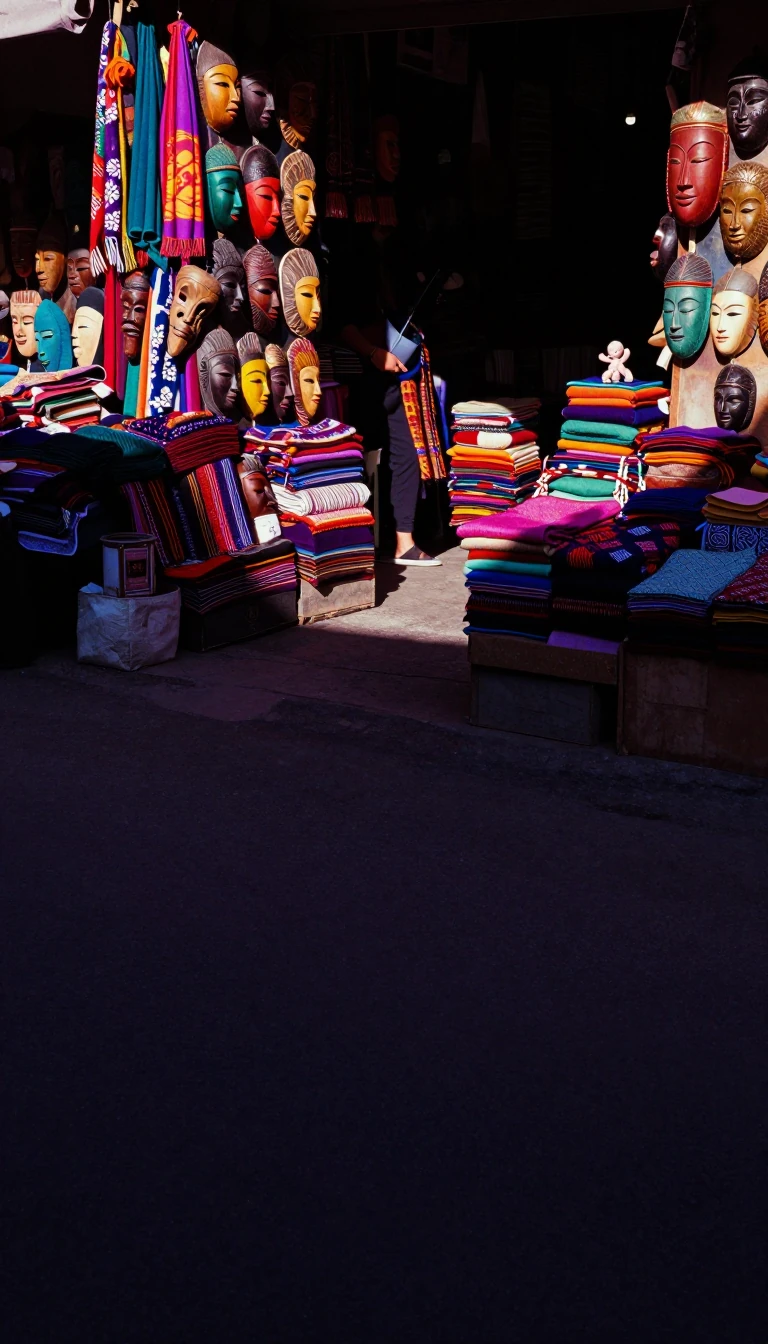
In short: Created in 1991 from the northeastern portion of Kano State, Jigawa is a predominantly rural, Muslim-majority region in Nigeria. While historically dependent on subsistence agriculture, the state has recently pursued ambitious infrastructure and decentralization projects to stimulate economic growth and move beyond its traditional reliance on the capital city.
Jigawa State, located in Nigeria's northwest, was established on August 27, 1991, during the military administration of General Ibrahim Babangida. Carved out of the northeastern region of Kano State, it shares an international border with the Zinder Region of the Republic of Niger. The state is home to approximately 3.6 million people, with a population that is 90% rural and largely composed of Hausa and Fulani ethnic groups. Islam is the primary religion, practiced by about 99% of the population, and the state operates under Sharia law.
The state's economy remains heavily rooted in agriculture, with over 80% of residents engaged in subsistence farming and animal husbandry. However, the semi-arid climate and the depletion of forest cover have made the region vulnerable to desert encroachment and perennial flooding. These environmental pressures, combined with a scarcity of arable land, have occasionally fueled violent tensions between local farmers and nomadic Fulani herdsmen. To combat economic stagnation, the state government has decentralized its administrative apparatus, spreading ministries across its three senatorial districts to encourage development outside of the capital, Dutse.
Despite being classified as one of Nigeria's poorer states with a gross per capita income of approximately N35,000 as of 2001, Jigawa has invested heavily in infrastructure. Recent initiatives include massive road rehabilitation, power generation projects, and the expansion of information technology services. The state also hosts a growing network of tertiary institutions, including the Federal University Dutse and the Federal University of Technology Babura, signaling a shift toward modernizing its educational and economic landscape. While challenges like desertification and poverty persist, these structural changes aim to foster a more resilient, diversified economy.
Opens the Intellect+ feed with this card first. Swipe up for the next one.
Sources
- Summary by Intellect · source: Jigawa State
- Also: Wikidata — Jigawa State · CC0
- Also: www.britannica.com — Jigawa | Nigeria, State, & Map | Britannica
- Also: Wikidata — Jigawa State House of Assembly · CC0
To cite this card, link to https://intellectplus.co.uk/app/places-jigawa-state.
How we source, check and correct cards: Editorial standards.
General information, not professional advice. Spotted an error? Flag the card or see corrections and complaints.
Intellect Plus is a visual educational discovery platform for exploring fascinating facts and ideas. Brain Food, Not Brain Rot. What is Intellect Plus?
Related
More in Regions and country subdivisions · More in Countries & Cities · Latest · A–Z · All topics
