Nasarawa State: A Nigerian Crossroads of Ancient Traditions and Modern Agricultural Potential
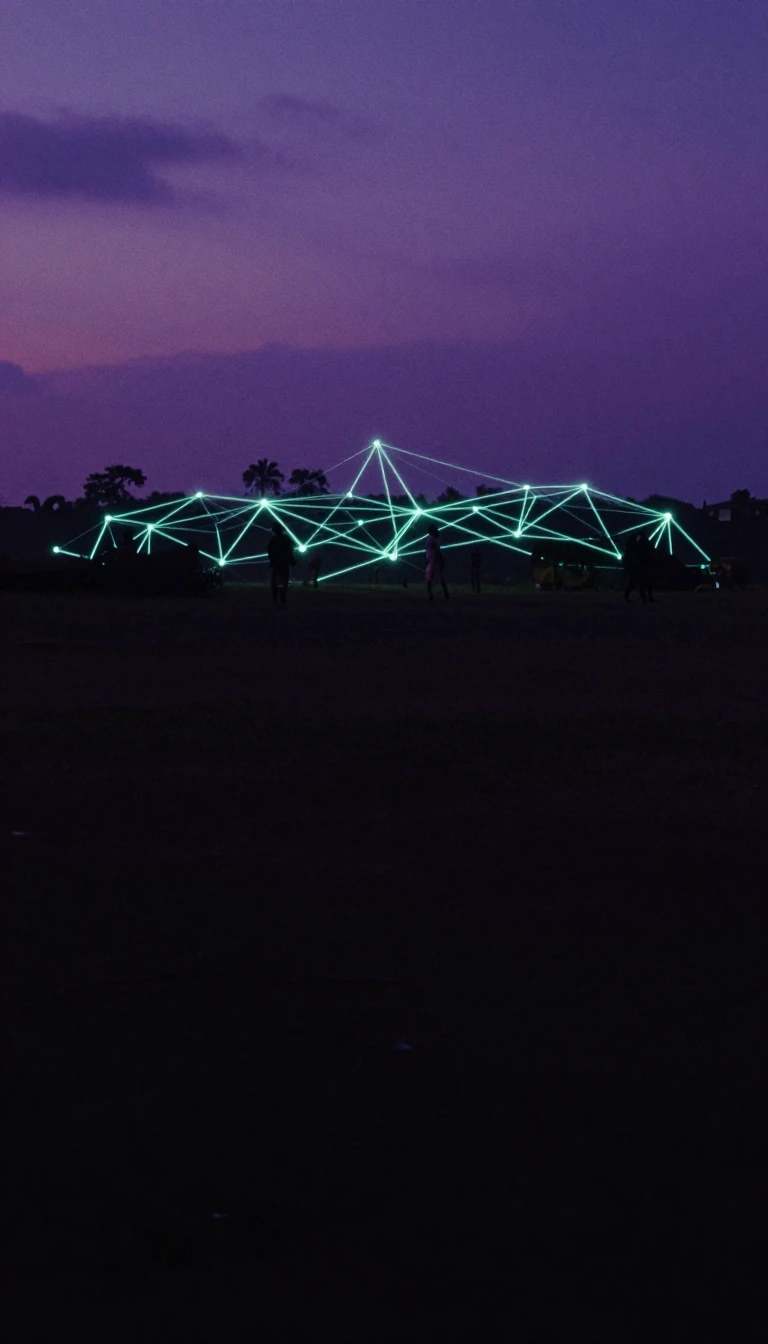
In short: Formed in 1996, Nasarawa State serves as a vital North Central hub in Nigeria. From the historic salt mines of Keana to the bustling urban periphery of Abuja, this region balances diverse ethnic heritage with a growing economy rooted in agriculture, mineral wealth, and a commitment to tertiary education.
Established on October 1, 1996, by the Sani Abacha administration, Nasarawa State was carved from the western portion of Plateau State. Its history is deeply layered; the region was once a collection of independent village-based societies and larger empires before the Fulani jihad of the early 1800s brought it under the influence of the Sokoto Caliphate. By the turn of the 20th century, British colonial expeditions integrated the area into the Northern Nigeria Protectorate, eventually leading to its current status as one of Nigeria's 36 states.
The state is defined by its geographic and cultural diversity. It sits primarily within the Guinean forest-savanna mosaic, featuring landmarks like the Farin Ruwa Falls—among Africa's highest—and the ancestral Eggon hills. Its population, estimated at 2.5 million by 2016, is a tapestry of over 25 ethnic groups, including the Alago, Eggon, and Tiv. Religious life is equally varied, with large communities of Muslims and Christians. Notably, the Emir of Lafia, Sidi Dauda Bage, holds a significant position as the leader of the Tijaniyya Sufi Order and serves as the third-highest-ranking Muslim authority in the nation.
Economically, Nasarawa relies on agriculture, producing staples like yam, soybeans, and sesame. The state is also rich in mineral resources, including salt, baryte, and iron ore, often extracted by artisanal miners. Despite facing ongoing challenges related to land-use conflicts between farmers and herders, the state maintains a focus on development, hosting numerous institutions of higher learning such as the Federal University of Lafia and Bingham University. Infrastructure projects, like the 1,835-meter Loko-Oweto Bridge completed in 2022, continue to improve connectivity across the state's thirteen local government areas.
Opens the Intellect+ feed with this card first. Swipe up for the next one.
Sources
- Summary by Intellect · source: Nasarawa State
- Also: Wikidata — Nasarawa State · CC0
- Also: Wikidata — Nasarawa State University · CC0
To cite this card, link to https://intellectplus.co.uk/app/places-nasarawa-state.
How we source, check and correct cards: Editorial standards.
General information, not professional advice. Spotted an error? Flag the card or see corrections and complaints.
Intellect Plus is a visual educational discovery platform for exploring fascinating facts and ideas. Brain Food, Not Brain Rot. What is Intellect Plus?
Related
More in Regions and country subdivisions · More in Countries & Cities · Latest · A–Z · All topics
