How a remote valley of nine Tibetan villages became a global natural wonder
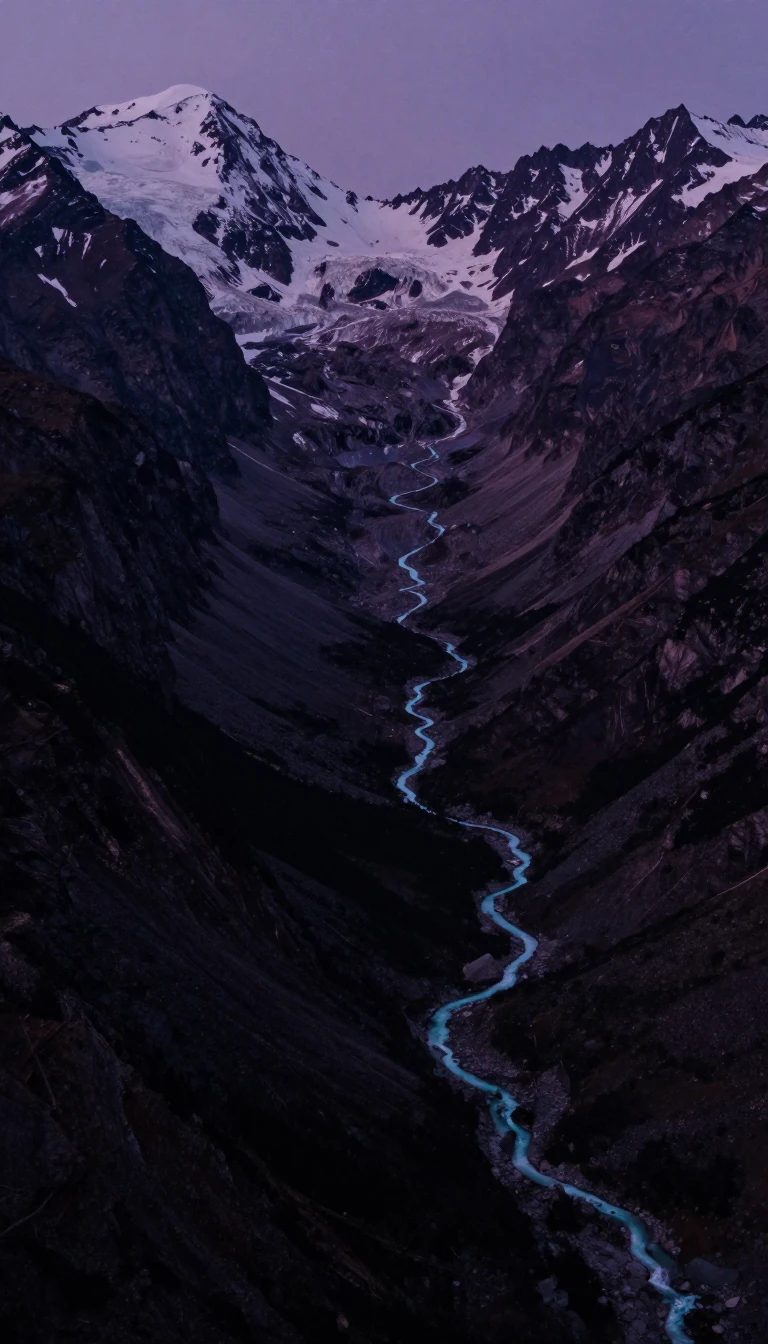
In short: Hidden in the Min Mountains of Sichuan, Jiuzhaigou was once an inaccessible wilderness known only to local communities. Today, this UNESCO World Heritage Site is celebrated for its vibrant, multi-colored lakes and ancient forests, though its fragile karst landscape faces constant pressure from the millions of visitors who arrive annually.
Jiuzhaigou, which translates to Nine Settlement Valley, remained largely unknown to the outside world until a 1975 survey by forestry scientist Wu Zhonglun. Struck by the region's exceptional beauty, he successfully lobbied the Sichuan government to halt logging and prioritize conservation. By 1980, the area was designated a nature reserve, and it officially opened for tourism in 1984. Its unique geography, shaped by glacial, tectonic, and hydrological activity, features a Y-shaped valley system that serves as a vital habitat for endangered species like the giant panda and golden snub-nosed monkey.
The valley's most iconic features are its crystal-clear lakes, or Haizi, which are formed by natural dams of rockfall and solidified by calcium carbonate deposits. These waters, ranging from deep blue to turquoise, are fed by snowmelt and mountain springs. The site is also a geological museum of Quaternary glacial relics and active tufa deposition, where minerals precipitate in freshwater to create intricate terraces and shoals. However, this delicate environment is highly susceptible to seismic activity. A magnitude 7.0 earthquake in 2017 caused significant damage, including the collapse of the Huohua Lake dam and structural harm to the famous Nuorilang Waterfall.
Managing the impact of mass tourism is a central challenge for the site's administrators. Since 1984, visitor numbers have surged from 5,000 to over 5 million in 2024. To mitigate environmental degradation, the park enforces strict regulations, including daily visitor caps, timed ticketing, and the use of shuttle buses and boardwalks to keep foot traffic away from sensitive areas. As the local population—who transitioned from traditional agriculture to tourism-based livelihoods—continues to live within the valley, the park must balance the economic necessity of tourism with the urgent need to protect its rare, isolated ecosystems from further disruption.
Opens the Intellect+ feed with this card first. Swipe up for the next one.
Sources
- Summary by Intellect · source: Jiuzhaigou
- Also: Wikidata — Jiuzhaigou Valley · CC0
To cite this card, link to https://intellectplus.co.uk/app/places-jiuzhaigou.
How we source, check and correct cards: Editorial standards.
General information, not professional advice. Spotted an error? Flag the card or see corrections and complaints.
Intellect Plus is a visual educational discovery platform for exploring fascinating facts and ideas. Brain Food, Not Brain Rot. What is Intellect Plus?
Related
More in World Heritage Sites · More in Countries & Cities · Latest · A–Z · All topics
