A remote Pacific atoll transformed from a guano mine into a nuclear testing ground.
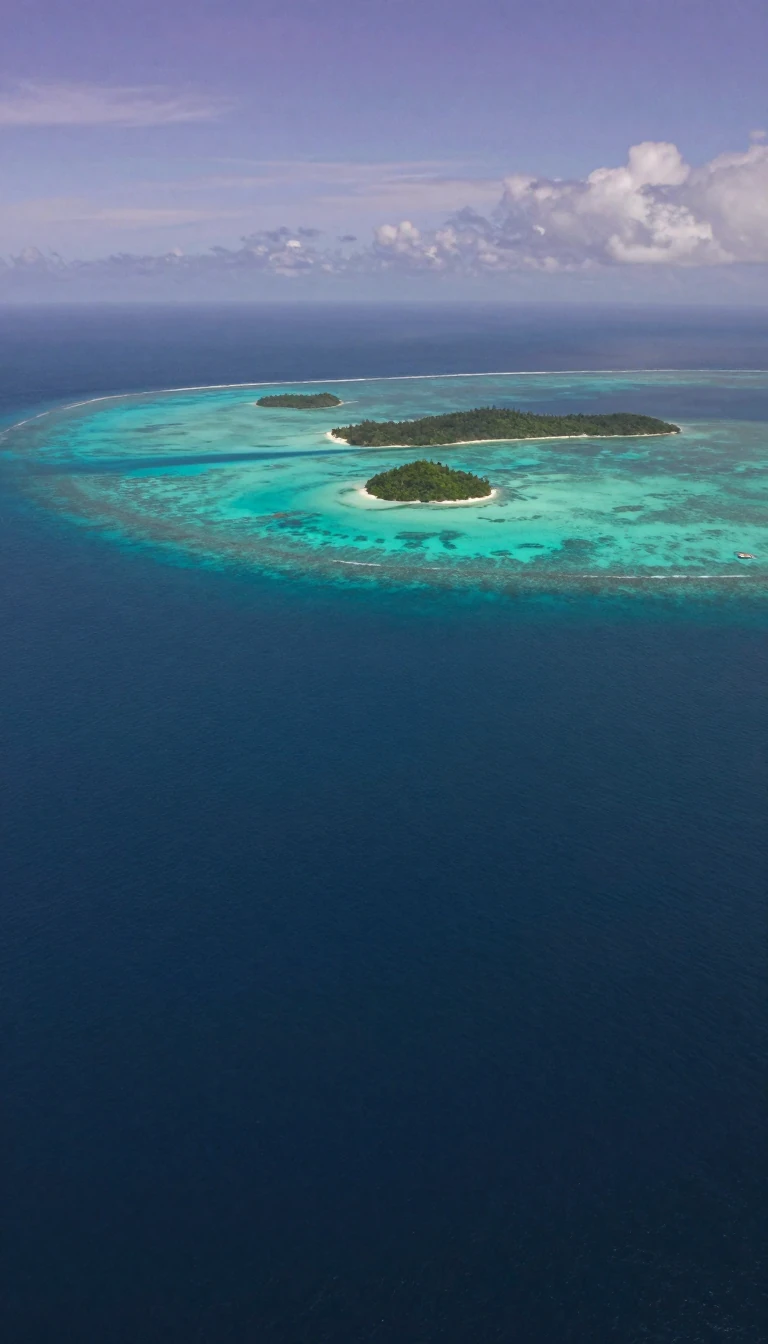
In short: Johnston Atoll, an isolated U.S. territory, has served as a naval refueling depot, a secret missile base, and a storage site for chemical weapons. Once a hub for high-altitude nuclear testing and military logistics, this fragile coral platform is now a protected wildlife refuge, finally recovering from decades of industrial contamination.
Located 750 nautical miles southwest of Hawaiʻi, Johnston Atoll is a 1,300-hectare coral platform that has undergone radical physical changes. Originally consisting of only two natural islands, Johnston and Sand, the atoll was expanded throughout the 20th century via extensive coral dredging. By 1964, these operations had created two additional artificial islands, North and East, while significantly increasing the landmass of the original two. These modifications supported a massive military infrastructure, including a 9,000-foot runway and various facilities that once hosted thousands of personnel.
The atoll’s strategic value led to its use as a testing site for biological and nuclear weapons, particularly during the high-altitude testing era between the late 1940s and 1962. It also functioned as a critical refueling stop for bombers during World War II and later as a storage site for chemical munitions and Agent Orange. These activities caused significant environmental damage, necessitating a comprehensive remediation project by the United States Air Force, which concluded in 2004. Today, the site is under the jurisdiction of the Pacific Remote Islands Marine National Monument, with the U.S. Fish and Wildlife Service managing its recovery.
Despite its history of industrial exploitation, the atoll remains a vital ecological sanctuary. It hosts a diverse array of marine life, including 300 fish species, green turtles, and monk seals. The islands are particularly significant for seabirds, supporting the most extensive breeding colony of red-tailed tropicbirds on the planet, with over 10,000 nests counted in 2020. While invasive species like yellow crazy ants once threatened these populations, they were successfully eradicated by the 2020s. The atoll is now a restricted area, requiring special authorization for access, ensuring that its role as a refuge for native wildlife remains the primary focus of its current administration.
Opens the Intellect+ feed with this card first. Swipe up for the next one.
Sources
- Summary by Intellect · source: Johnston Atoll
- Also: Wikidata — Johnston Atoll · CC0
- Also: Wikidata — Johnston Atoll Airport · CC0
To cite this card, link to https://intellectplus.co.uk/app/places-johnston-atoll.
How we source, check and correct cards: Editorial standards.
General information, not professional advice. Spotted an error? Flag the card or see corrections and complaints.
Intellect Plus is a visual educational discovery platform for exploring fascinating facts and ideas. Brain Food, Not Brain Rot. What is Intellect Plus?
Related
More in Countries and other regions · More in Countries & Cities · Latest · A–Z · All topics
