Once a tropical home, Bikini Atoll is now a radioactive monument to the Cold War.
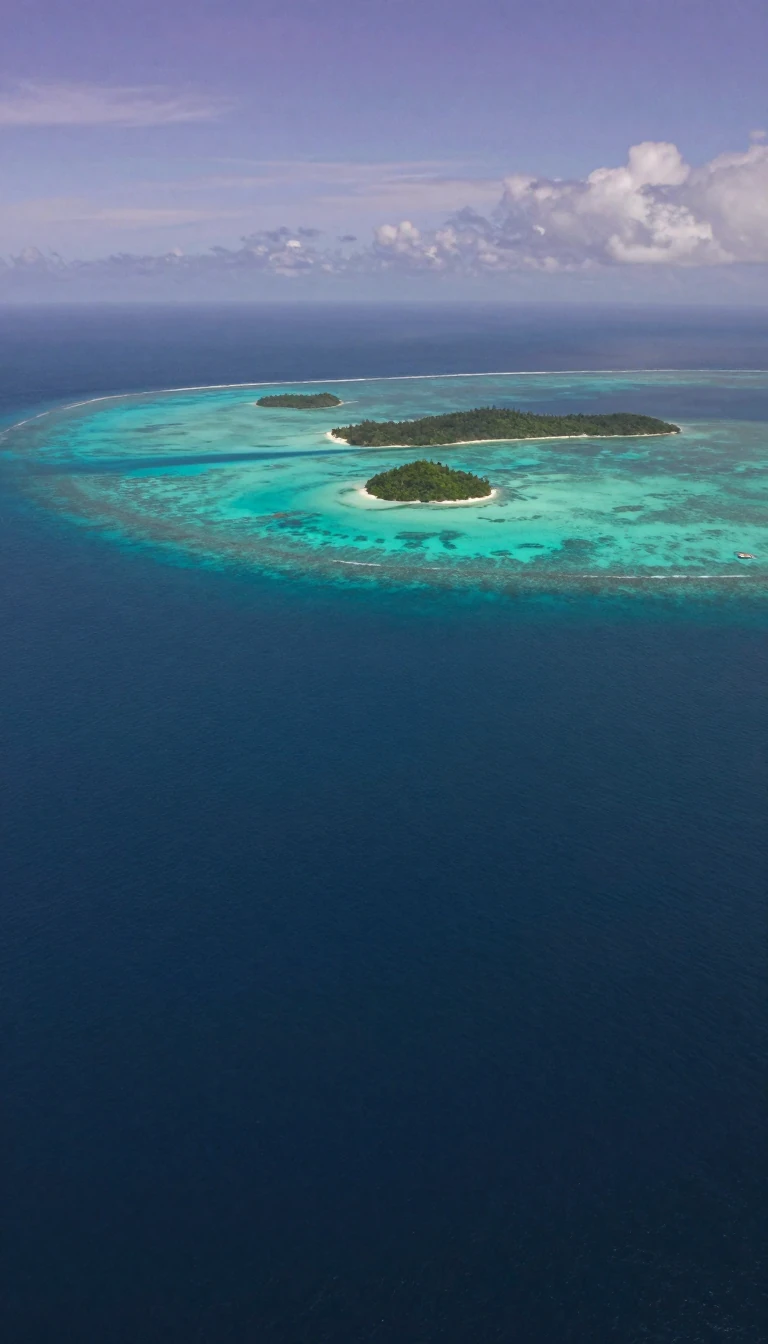
In short: For 3,600 years, Bikini Atoll supported a thriving society of navigators and boatbuilders. In 1946, the United States military forcibly relocated its residents to test nuclear weapons. Today, the atoll remains a forbidden, contaminated landscape, serving as a haunting World Heritage Site and a cautionary tale of displacement.
The transformation of Bikini Atoll began after the Second World War when the United States selected the coral reef as a nuclear testing ground. In 1946, the 167 residents were moved to Rongerik Atoll, but the island lacked sufficient resources, leading to starvation. Subsequent relocations to Kwajalein Atoll and eventually Kili Island permanently severed the community from their ancestral home. Between 1946 and 1958, the U.S. detonated 23 nuclear devices on the atoll, including the 15-megaton Castle Bravo test in 1954, which left the environment heavily contaminated with radionuclides like caesium-137 and strontium-90.
Attempts to return to the atoll have been fraught with danger. In 1972, about 100 residents voluntarily returned, only to be evacuated again in 1978 after scientists discovered dangerously high levels of radiation in their bodies and the local water supply. While the atoll is now a World Heritage Site and occasionally visited by divers, it remains unfit for habitation. The lingering contamination makes consuming local plants or wildlife unsafe, and the original islanders, now numbering in the thousands, remain dispersed across the Marshall Islands and the United States.
The social impact of this displacement was profound. The Bikini islanders traditionally maintained a matrilineal society where land ownership was the primary measure of wealth and social status. The loss of their home forced a transition to a dual system of land tenure and created a reliance on trust fund reparations. By the late 2010s, this financial support system collapsed due to mismanagement, leaving the displaced population in a state of economic crisis. Today, the atoll stands as a stark reminder of the post-nuclear age, where the land that was once the center of a culture is now considered 'poison land'.
Opens the Intellect+ feed with this card first. Swipe up for the next one.
Sources
- Summary by Intellect · source: Bikini Atoll
- Also: Wikidata — Bikini Atoll · CC0
- Also: Wikidata — Bikini Atoll · CC0
To cite this card, link to https://intellectplus.co.uk/app/places-bikini-atoll.
How we source, check and correct cards: Editorial standards.
General information, not professional advice. Spotted an error? Flag the card or see corrections and complaints.
Intellect Plus is a visual educational discovery platform for exploring fascinating facts and ideas. Brain Food, Not Brain Rot. What is Intellect Plus?
Related
More in World Heritage Sites · More in Countries & Cities · Latest · A–Z · All topics
