A Pacific atoll holds a concrete dome filled with radioactive soil and debris.
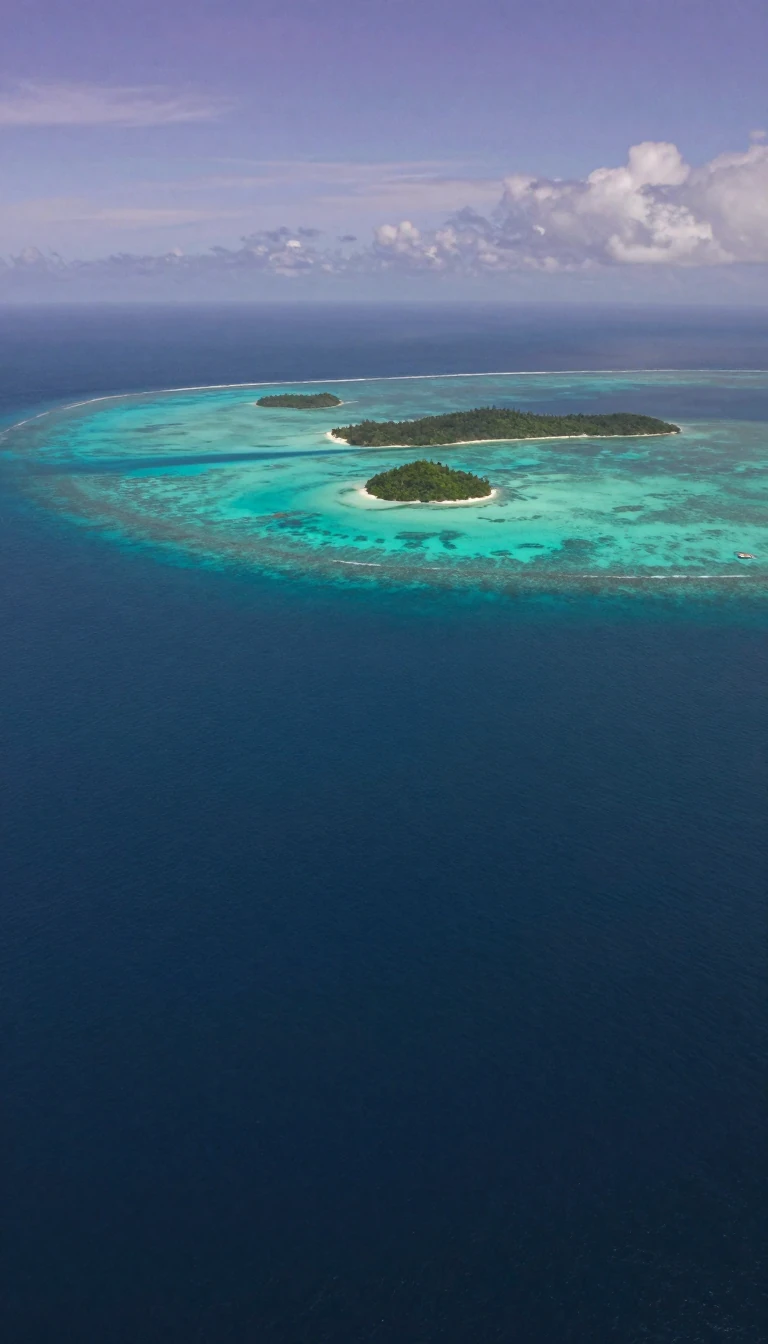
In short: Enewetak Atoll, a remote ring of islands in the Marshall Islands, was transformed into a nuclear testing site during the Cold War. Between 1948 and 1958, the United States conducted 43 nuclear tests there, leaving behind a legacy of contamination that required a massive, years-long cleanup effort by thousands of veterans.
Enewetak Atoll is a circular coral formation comprising 40 islets surrounding a lagoon in the western Pacific. Long inhabited by Austronesian islanders, the atoll was captured by the United States from Japanese forces in February 1944. Following the war, it became a critical component of the Pacific Proving Ground, where the U.S. conducted 43 nuclear tests between 1948 and 1958. These tests, totaling over 30 megatons of TNT equivalent, fundamentally altered the local environment.
In the 1970s, the U.S. government initiated a major radiological cleanup project to prepare the atoll for return to the Marshall Islands. From May 1977 to May 1980, approximately 6,000 veterans participated in the operation. Workers collected radioactive soil and debris from across the islands and deposited the material into the Cactus Crater on Runit Island. This site was then sealed beneath a concrete dome, known as the Cactus Crater Containment Structure, to isolate the hazardous waste.
The U.S. officially returned the atoll to the Republic of the Marshall Islands in 1986. While most of the atoll is now accessible to residents, Runit Island remains quarantined due to the residual contamination. Today, the dome is subject to ongoing scrutiny; some experts express concern that it could be breached by extreme weather, though it is noted that the sediments within the lagoon itself may contain even higher levels of radioactivity than those sequestered under the concrete.
Veterans who participated in the cleanup were monitored for radiation exposure, and the Department of Veterans Affairs acknowledges potential health risks associated with their service. For current residents, the situation is different; modern assessments indicate that annual radiation doses are generally below U.S. averages, suggesting minimal intake of residual radionuclides. The atoll stands as a stark reminder of the intersection between Cold War military experimentation and the long-term environmental stewardship required to manage its aftermath.
Opens the Intellect+ feed with this card first. Swipe up for the next one.
Sources
- Summary by Intellect · source: Enewetak | Atoll, Map, Nuclear Test, Location, & World War II | Britannica
- Also: VA.gov | Veterans Affairs
- Also: Enewetak Atoll
To cite this card, link to https://intellectplus.co.uk/app/places-enewetak-atoll.
How we source, check and correct cards: Editorial standards.
General information, not professional advice. Spotted an error? Flag the card or see corrections and complaints.
Intellect Plus is a visual educational discovery platform for exploring fascinating facts and ideas. Brain Food, Not Brain Rot. What is Intellect Plus?
Related
More in Islands · More in Countries & Cities · Latest · A–Z · All topics
