Kakadu National Park is a massive, ancient landscape shaped by 60,000 years of human history.
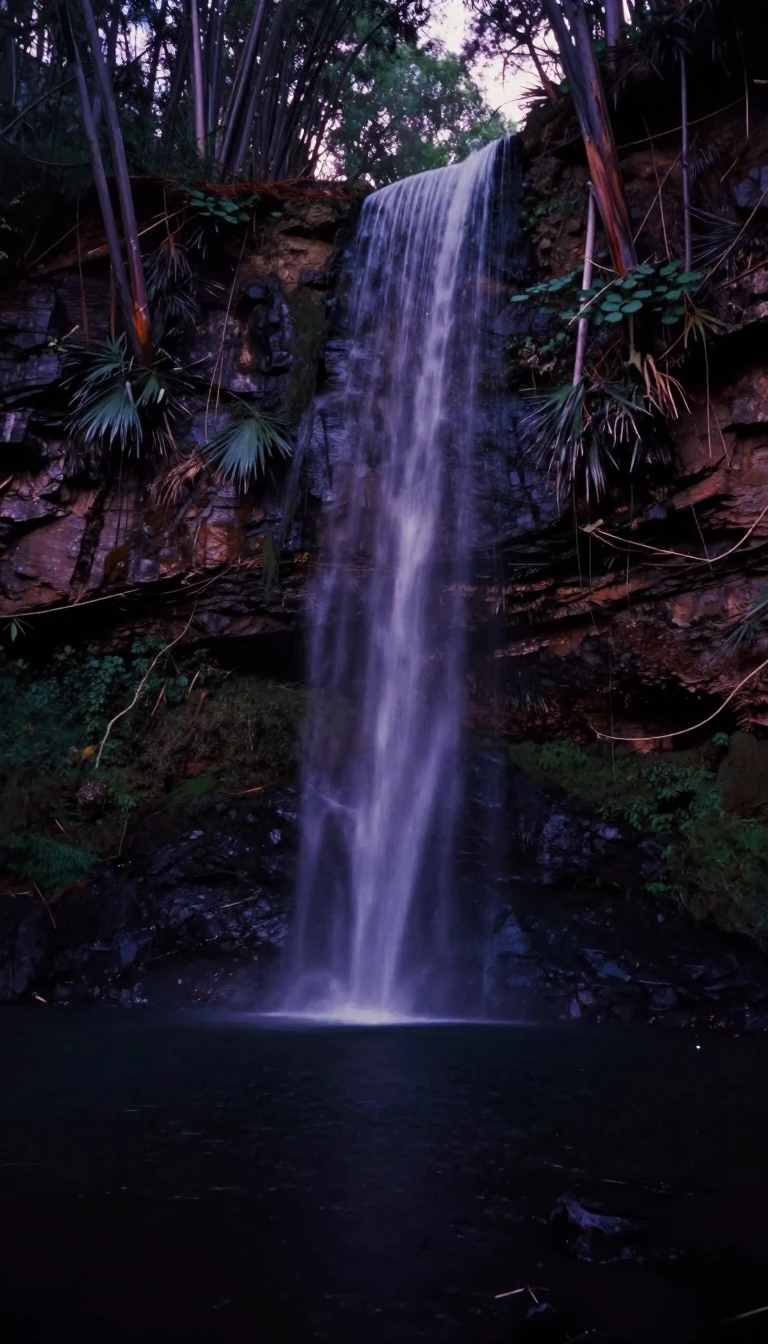
In short: Spanning nearly 20,000 square kilometres, Kakadu is Australia's second-largest national park. Beyond its immense biological diversity and World Heritage status, the region holds a deep human legacy, with Aboriginal occupation dating back 60,000 years. It is a complex intersection of ancient geology, colonial history, and ongoing environmental stewardship.
Kakadu National Park covers 19,804 square kilometres in Australia's Northern Territory, a vast expanse roughly the size of Wales. Its dramatic topography, including the Arnhem Land escarpment, was forged over 140 million years ago when the region was submerged under a shallow sea. Today, the park is defined by six distinct landforms, ranging from rugged stone country and ancient volcanic hills to expansive floodplains and tidal flats that support a highly diverse array of flora and fauna.
The human history of the area is equally profound. Aboriginal traditional owners have occupied the land for approximately 60,000 years, leaving behind more than 5,000 recorded art sites, such as the significant Ubirr location. While European explorers like Phillip Parker King and Ludwig Leichhardt documented the region in the 19th century, the park's modern identity has been marked by a complex struggle between industrial interests and conservation. From the 1880s, the area saw pastoral attempts and commercial buffalo hunting, followed by 20th-century mining booms, including the Ranger Uranium Mine which operated until 2021.
Management of the park today reflects a collaborative approach, with Aboriginal traditional owners working alongside Parks Australia. This partnership has been tested by environmental challenges, such as the introduction of invasive species like water buffalo, pigs, and cats by early settlers. Furthermore, the park has been the site of significant social and environmental campaigns, such as the successful 1991 veto of mining at Coronation Hill and the 1990s blockade at Jabiluka. These efforts underscore the ongoing commitment to protecting the ecological and cultural integrity of one of the world's most significant protected areas.
Opens the Intellect+ feed with this card first. Swipe up for the next one.
Sources
- Summary by Intellect · source: Kakadu National Park
- Also: Wikidata — Kakadu National Park · CC0
- Also: Wikidata — Kakadu National Park · CC0
To cite this card, link to https://intellectplus.co.uk/app/places-kakadu-national-park.
How we source, check and correct cards: Editorial standards.
General information, not professional advice. Spotted an error? Flag the card or see corrections and complaints.
Intellect Plus is a visual educational discovery platform for exploring fascinating facts and ideas. Brain Food, Not Brain Rot. What is Intellect Plus?
Related
More in World Heritage Sites · More in Countries & Cities · Latest · A–Z · All topics
