The ancient church in Belarus that uses hidden clay pitchers to create acoustic art
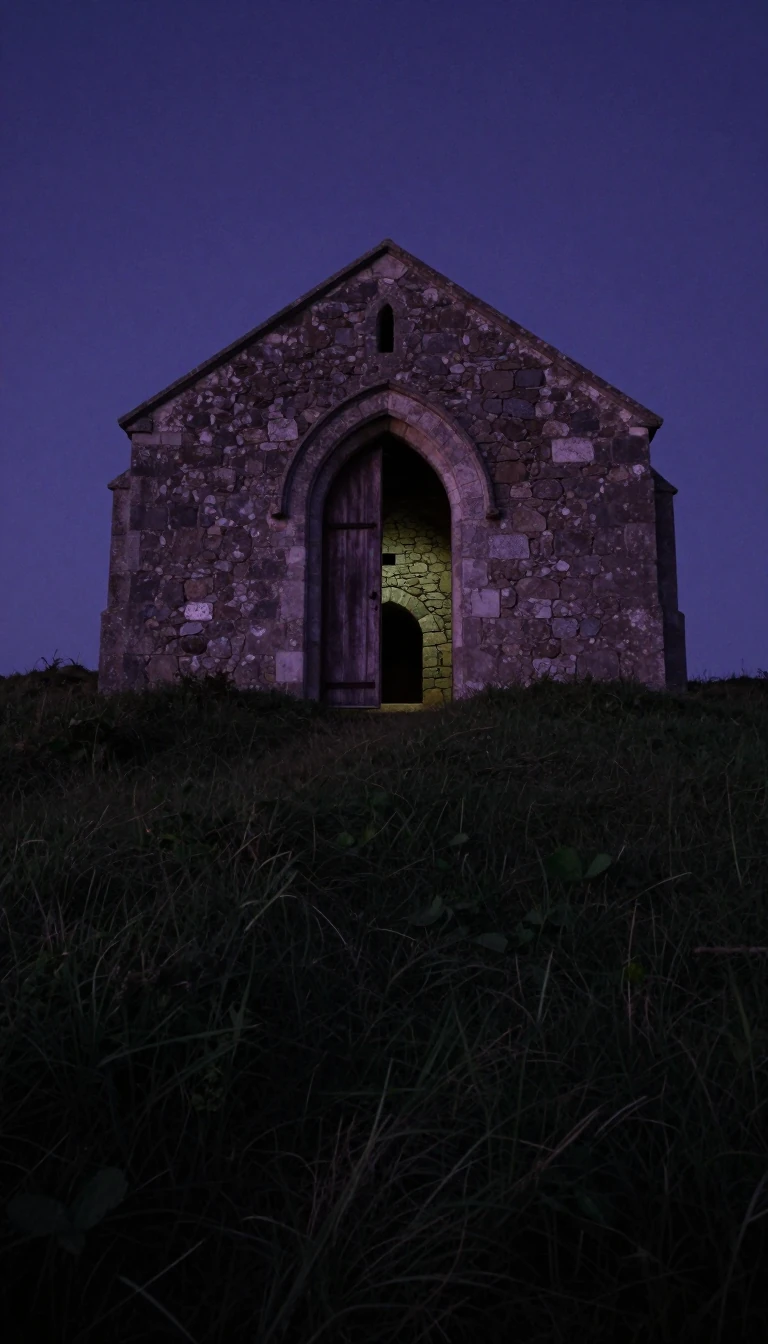
In short: The Kalozha Church of Sts. Boris and Gleb stands as the final survivor of a unique architectural tradition. Built before 1183, this Grodno landmark features walls embedded with colorful stones and ceramic vessels. These pitchers were not just for sound; they were scored to create intricate, permanent decorative patterns.
Located on the high bank of the Neman River, the Kalozha Church is the sole remaining example of Black Ruthenian architecture. Its construction predates 1183, showcasing a distinct style that sets it apart from typical Orthodox buildings. The exterior is defined by rounded corners and projecting pilasters, while the interior layout relies on six circular pillars to support its cross-domed structure. The floor is adorned with decorative ceramic tiles, and the western wall contains a narrow staircase leading to the choir loft.
The most striking feature of the church is its use of built-in pitchers. While these vessels are commonly found in Eastern Orthodox churches to serve as acoustic resonators, the builders here scored them to produce visual effects instead. Because of this deliberate aesthetic choice, the central nave of the church has never been painted with frescoes. However, during restoration efforts led by architectural historian Vasiliy Griaznov, researchers discovered remnants of 12th-century frescoes hidden within the apses.
The church remained largely intact for centuries, famously depicted by Michał Kulesza in the 1840s. Its structural integrity was compromised in 1853 when the south wall collapsed, a victim of its precarious position overlooking the river. Archaeological evidence suggests that this building was part of a broader regional movement; remains of four other churches and the first stone palace in the Old Grodno Castle, all dating to the turn of the 13th century, share similar decorative motifs of colored stones and embedded pitchers. In 2004, the church was recognized for its historical significance by being added to the UNESCO World Heritage Tentative List.
Opens the Intellect+ feed with this card first. Swipe up for the next one.
Sources
- Summary by Intellect · source: Kalozha Church
To cite this card, link to https://intellectplus.co.uk/app/places-kalozha-church.
How we source, check and correct cards: Editorial standards.
General information, not professional advice. Spotted an error? Flag the card or see corrections and complaints.
Intellect Plus is a visual educational discovery platform for exploring fascinating facts and ideas. Brain Food, Not Brain Rot. What is Intellect Plus?
Related
More in World Heritage Sites · More in Countries & Cities · Latest · A–Z · All topics
