The Khoekhoe people are not just a historical footnote but a resilient, evolving culture.
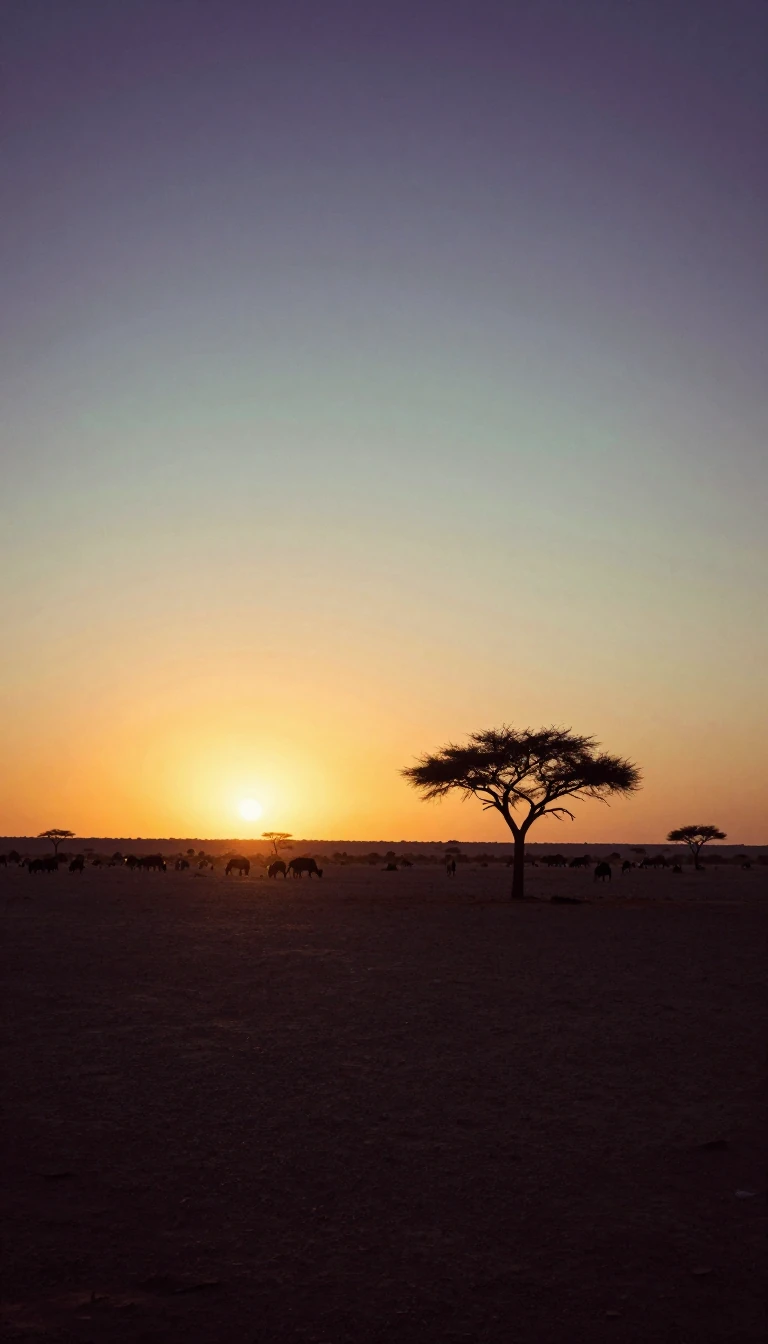
In short: Long dismissed by colonial labels, the Khoekhoe are the indigenous pastoralists of Southern Africa. Their history is marked by deep ancestral roots, brutal colonial displacement, and a modern resurgence. By reclaiming their identity from the erasure of the Apartheid era, they are actively restoring their culture and asserting land rights.
The Khoekhoe, traditionally nomadic pastoralists, have inhabited Southern Africa for millennia, with genetic divergence from other human populations estimated between 100,000 and 200,000 years ago. While historical accounts often categorized them strictly as pastoralists distinct from the foraging San, modern analysis suggests these distinctions are largely reductionist. By 500 CE, pastoralist groups had spread southward, though evidence of large-scale cattle or sheep settlements south of the Orange River remains debated before 1000 CE.
Colonial expansion in the 17th century brought devastating smallpox epidemics and violent land seizures. The United East India Company’s enclosure of grazing lands forced northern migrations and the dissolution of traditional structures. By the early 1900s, the Khoekhoe faced further catastrophe; during the German colonial period, over 10,000 Nama—more than half their population—perished in conflict. Later, the Apartheid regime marginalized the Khoekhoe, often forcing them into a blanket 'Coloured' classification that ignored their specific cultural nuances and contributed to severe identity erasure.
Today, the Khoekhoe are working to reverse this history. Activists are pursuing legal restitution for cultural discrimination and demanding the return of ancestral remains from European institutions. Their cultural legacy persists in diverse forms, from the transhumance practices preserved in the UNESCO-recognized Richtersveld to the naming of celestial bodies, such as the star Mu¹ Scorpii, which carries the traditional Khoekhoe designation 'eyes of the lion'.
The social organization of the Khoekhoe remains complex, divided into Northern and Southern groupings. The Nama and Damara represent major Northern clans, while Oorlam communities, formed through migration and mixed ancestry, played a significant role in the 18th and 19th centuries. Despite centuries of systemic pressure, the Khoekhoe continue to affirm their ties to the land and their unique heritage.
Opens the Intellect+ feed with this card first. Swipe up for the next one.
Sources
- Summary by Intellect · source: Khoekhoe
- Also: Wikidata — Khoekhoe · CC0
To cite this card, link to https://intellectplus.co.uk/app/places-khoekhoe.
How we source, check and correct cards: Editorial standards.
General information, not professional advice. Spotted an error? Flag the card or see corrections and complaints.
Intellect Plus is a visual educational discovery platform for exploring fascinating facts and ideas. Brain Food, Not Brain Rot. What is Intellect Plus?
Related
More in Countries and other regions · More in Countries & Cities · Latest · A–Z · All topics
