The Forbidden Island: Iran’s coral outpost that powers the global oil market
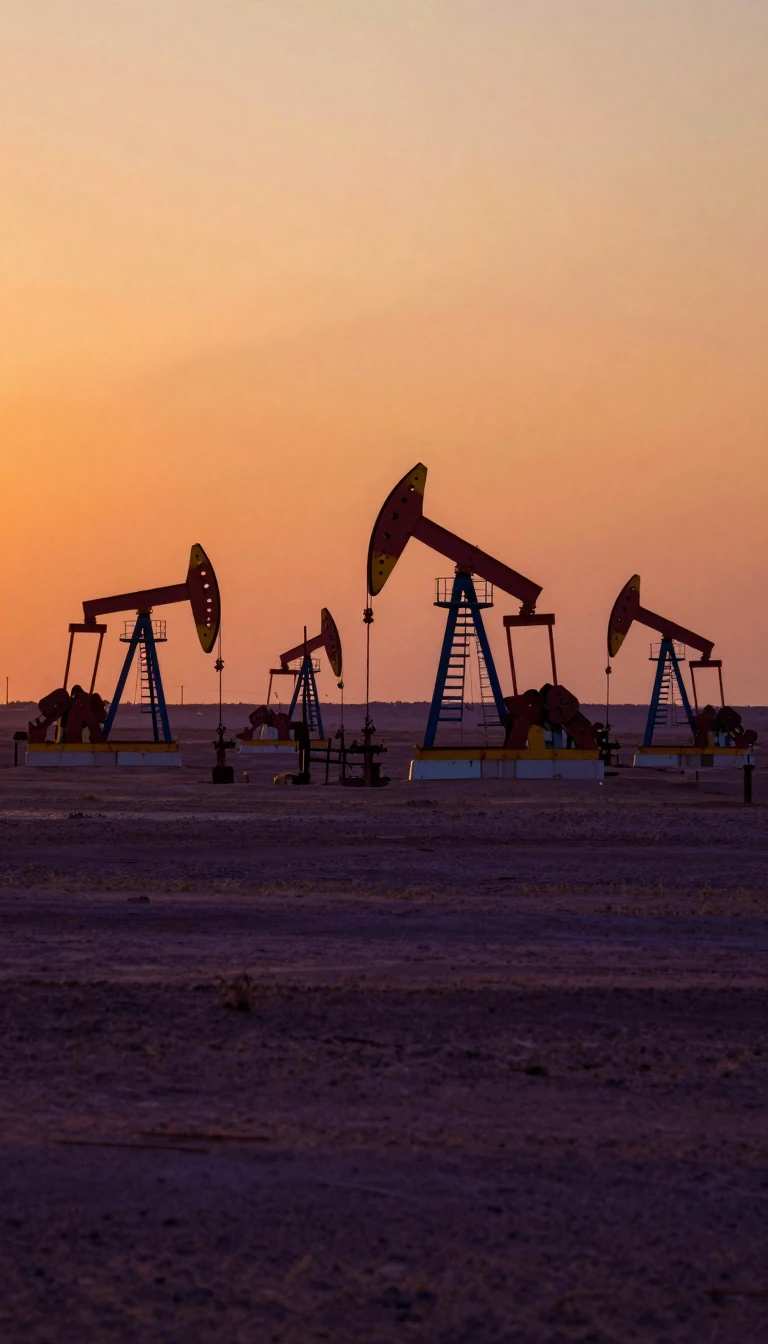
In short: Kharg Island is a tiny, coral-rich speck in the Persian Gulf, yet it serves as the critical artery for up to 90% of Iran’s oil exports. Guarded by the Islamic Revolutionary Guard Corps, this restricted zone holds a complex history of ancient inscriptions, colonial fortresses, and modern geopolitical tension.
Located 25 kilometres off the Iranian coast, Kharg Island is a geological anomaly in the Persian Gulf. Unlike the shallow, sloping coastline of the mainland, the waters surrounding this coral outcrop are deep, allowing the island to host massive jetties capable of mooring ten supertankers simultaneously. This natural advantage transformed the island into the world’s largest offshore crude oil terminal, with storage capacity for 30 million barrels of oil. It acts as the primary export hub for fields like Gachsaran, Marun, and Forouzan, making it a central pillar of Iran’s energy infrastructure.
The island’s strategic value has drawn foreign powers for centuries. Before its 20th-century industrialization, it served as a vital trading post controlled by the Portuguese in the 16th century and the Dutch in the 18th century. Archaeological evidence reveals a far deeper past, including Achaemenid-era cuneiform inscriptions dating to 550–330 BCE and a sprawling 7th-century Christian monastery. These sites, alongside Zoroastrian and Jewish burial grounds, highlight the island’s long history as a crossroads for diverse cultures and faiths.
In the modern era, Kharg has become a focal point of intense geopolitical conflict. During the Iran–Iraq War in the 1980s, its facilities were crippled by Iraqi airstrikes. More recently, in 2026, the island became a direct target in the Iran war, with the United States striking military installations on the island in March and April. Despite its reputation as a 'Forbidden Island'—a name derived from its restricted access and heavy military presence—the government has recently explored tourism, introducing special permits for visitors accompanied by state-approved guides.
The island’s significance is underscored by its role in international disputes. An Achaemenid inscription discovered in 2007, which suggests Persian colonization of the island, became a flashpoint in regional naming controversies, leading to a media frenzy and the deliberate vandalism of the artifact. Today, as Iran navigates sanctions and regional instability, Kharg remains both a symbol of national self-reliance and a high-stakes target in the struggle for control over the Persian Gulf.
Opens the Intellect+ feed with this card first. Swipe up for the next one.
Sources
- Summary by Intellect · source: Kharg Island
- Also: Wikidata — Kharg Island · CC0
- Also: Wikidata — Kharg Oil Terminal · CC0
To cite this card, link to https://intellectplus.co.uk/app/places-kharg-island.
How we source, check and correct cards: Editorial standards.
General information, not professional advice. Spotted an error? Flag the card or see corrections and complaints.
Intellect Plus is a visual educational discovery platform for exploring fascinating facts and ideas. Brain Food, Not Brain Rot. What is Intellect Plus?
Related
More in Countries and other regions · More in Countries & Cities · Latest · A–Z · All topics
