A city with three names and a history hidden in its ancient soil
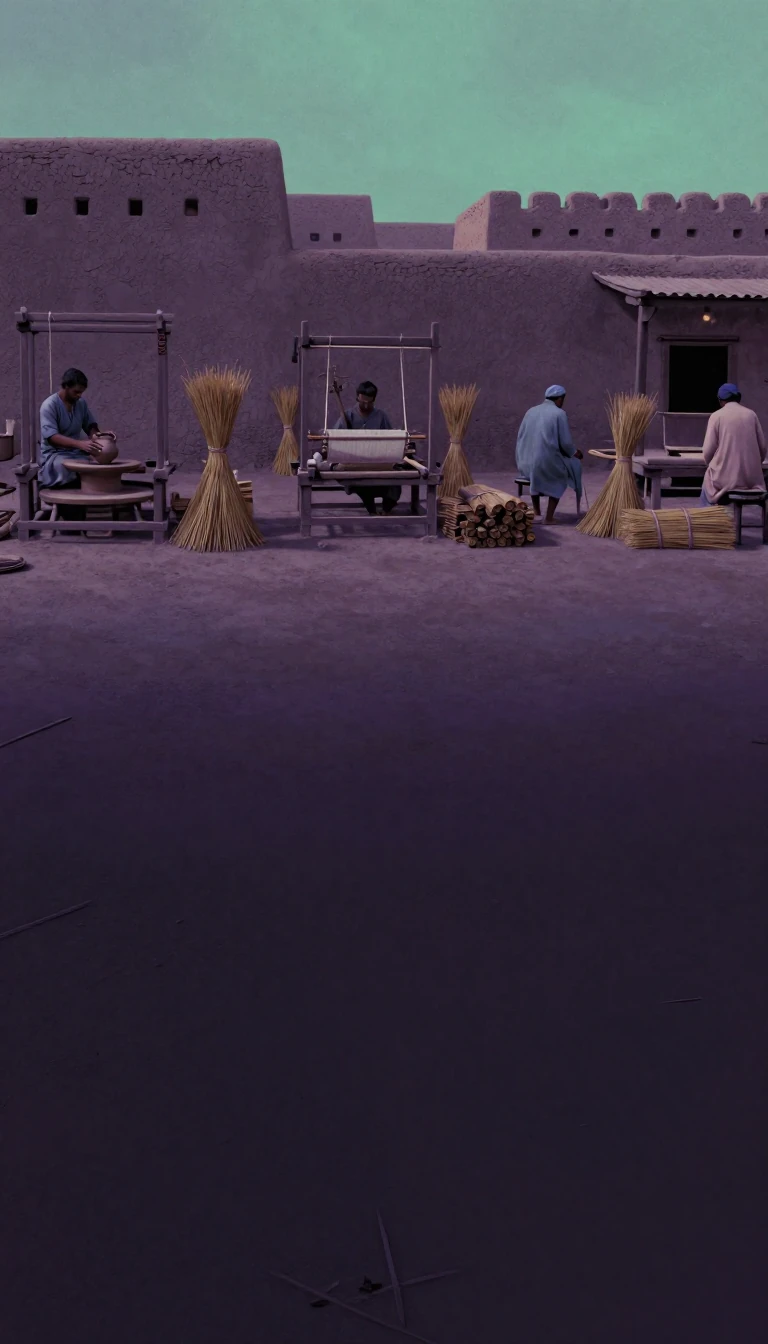
In short: Khomeynishahr, an Iranian city near Isfahan, carries a complex identity shaped by revolution and ancient geography. Originally known as Sedeh, it was renamed to honor the Pahlavi dynasty before becoming a namesake for Ayatollah Khomeini. Yet, beneath these political layers, locals still cling to the city's original, centuries-old name.
The city's name has evolved alongside Iran's turbulent political history. Originally called Sedeh, it was rebranded as Homayunshahr during the reign of Reza Shah Pahlavi in the 1930s, a name that served as both a title for the Shah and a nod to the dynasty. Following the 1979 Iranian Revolution, the city was renamed Khomeynishahr to honor Ayatollah Khomeini. Despite these official changes, residents have consistently referred to the area as Sedeh, and there is currently an active movement to restore its historical name, Mehrbin.
The origins of the name Sedeh are debated. One common theory suggests it derives from 'Se-dezh,' meaning 'three castles,' referencing the growth of three neighboring fortifications: Kohan Dedge, Gar Dedge, and a third castle. Others argue the name links to the ancient Persian festival of Sadeh. While the city is often perceived as a collection of three villages—Khouzan, Foroushan, and Varnosfaderan—it actually comprises five distinct former villages. These settlements, now integrated into the modern metropolitan area of Isfahan, have deep roots, with evidence of Sassanian military bases and ancient fire temples nearby.
Beyond its political and historical identity, Khomeynishahr is a prosperous agricultural hub. Located just 8 kilometers from Isfahan, the city benefits from the Zayandehrud River, which irrigates its fertile soil. This water supply has allowed three-quarters of the city's land to flourish as orchards, producing famous local varieties of fruits like melons, grapes, and cherries. The region's historical significance is further marked by architectural landmarks like the Grand Mosque in the Khozan neighborhood and the historic Sartip's house, which highlight its long-standing urban character. Today, the city serves as both a historical site and a center for education, hosting institutions like the Islamic Azad University and the Isfahan University of Technology.
Opens the Intellect+ feed with this card first. Swipe up for the next one.
Sources
- Summary by Intellect · source: Khomeynishahr
To cite this card, link to https://intellectplus.co.uk/app/places-khomeynishahr.
How we source, check and correct cards: Editorial standards.
General information, not professional advice. Spotted an error? Flag the card or see corrections and complaints.
Intellect Plus is a visual educational discovery platform for exploring fascinating facts and ideas. Brain Food, Not Brain Rot. What is Intellect Plus?
Related
More in Asia · More in Countries & Cities · Latest · A–Z · All topics
