Khulna: The Industrial Gateway to the World's Largest Mangrove Forest
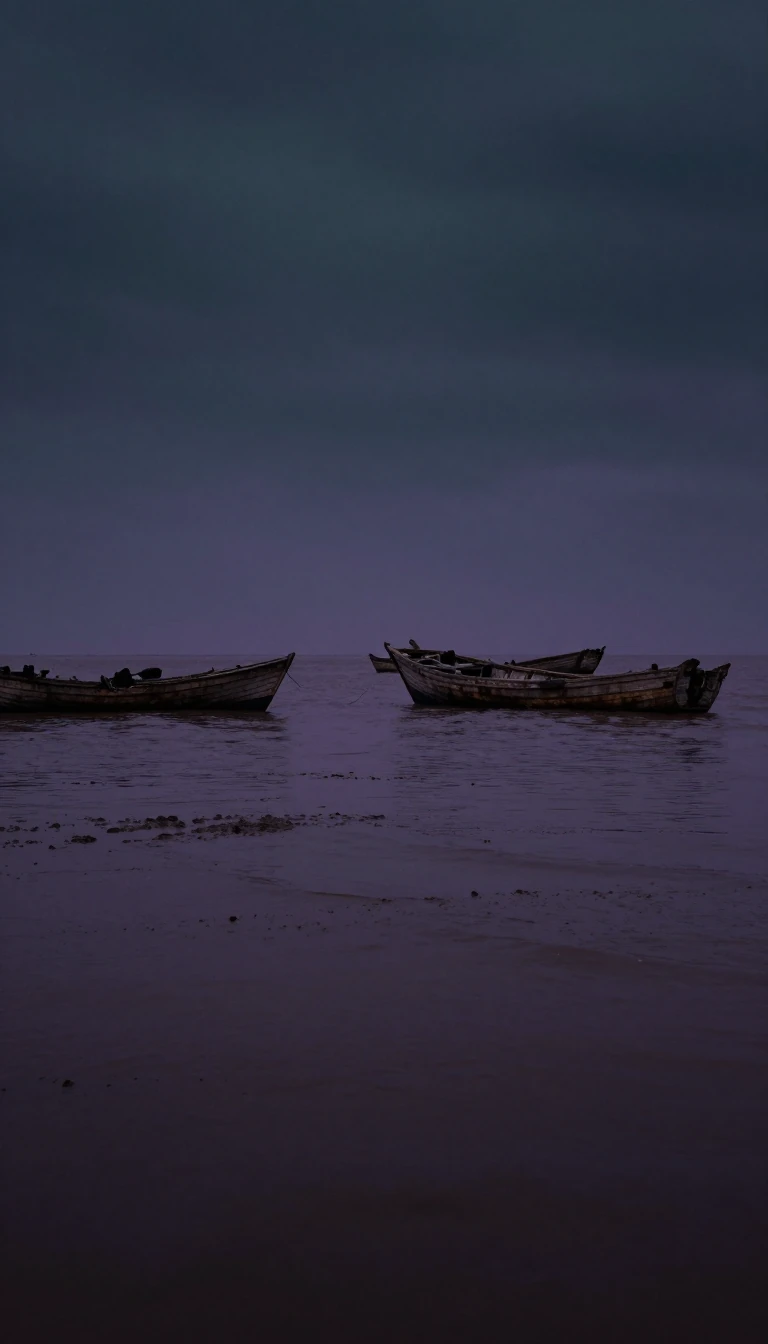
In short: As Bangladesh's third-largest city, Khulna serves as a vital industrial hub and the primary gateway to the Sundarbans. This sprawling river port, situated within the massive Ganges Delta, balances its role as a center for trade and manufacturing with its proximity to one of the planet's most significant ecological treasures.
Khulna sits along the Bhairab and Rupsha rivers in southwestern Bangladesh, acting as a strategic industrial point and the divisional center for ten districts. Recognized as the nation's first industrial city, it hosts major companies and maintains a robust economy driven by local industry, marine trade, and the nearby Port of Mongla. The city's administrative evolution is long, dating back to its 1884 municipal council foundation, which transitioned into a municipal corporation in 1984 and a full city corporation by 1990.
Beyond its industrial capacity, Khulna is the portal to the Sundarbans, a vast 3,860-square-mile tract of forest and saltwater swamp. This region, which spans the delta of the Ganges, Brahmaputra, and Meghna rivers, is the world's largest mangrove forest. It serves as a critical refuge for rare wildlife, including the Bengal tiger, Ganges river dolphins, and over 250 bird species. The forest is named for the sundari tree, a dominant mangrove species that thrives in the marshy, tidal landscape.
The environment surrounding Khulna is dynamic and precarious. The landscape is constantly reshaped by wind, sea erosion, and heavy silt deposits. Human activity, such as upstream water diversion for irrigation, has increased salinity in the mangrove swamps, while forest removal further accelerates erosion. Despite these challenges, the region remains a global conservation priority. The Sundarbans National Park was established in 1984 and designated a UNESCO World Heritage site in 1987, reflecting the international effort to protect this fragile, essential ecosystem from further degradation.
The city's history is equally layered, having been ruled by various dynasties, including the Pala and Sena, before Muslim settlements expanded under figures like Khan Jahan Ali in the 15th century. By 1793, the British East India Company took control, eventually establishing the Khulna District in 1882. Today, the city remains a critical intersection of history, commerce, and environmental stewardship, standing as a testament to the resilience of life in the delta.
Opens the Intellect+ feed with this card first. Swipe up for the next one.
Sources
- Summary by Intellect · source: Khulna | Riverside City, Sundarbans, Fishing | Britannica
- Also: Khulna
- Also: Khulna
To cite this card, link to https://intellectplus.co.uk/app/places-khulna.
How we source, check and correct cards: Editorial standards.
General information, not professional advice. Spotted an error? Flag the card or see corrections and complaints.
Intellect Plus is a visual educational discovery platform for exploring fascinating facts and ideas. Brain Food, Not Brain Rot. What is Intellect Plus?
Related
More in Asia · More in Countries & Cities · Latest · A–Z · All topics
