From ancient mining hub to modern industrial center, the story of Kielce, Poland
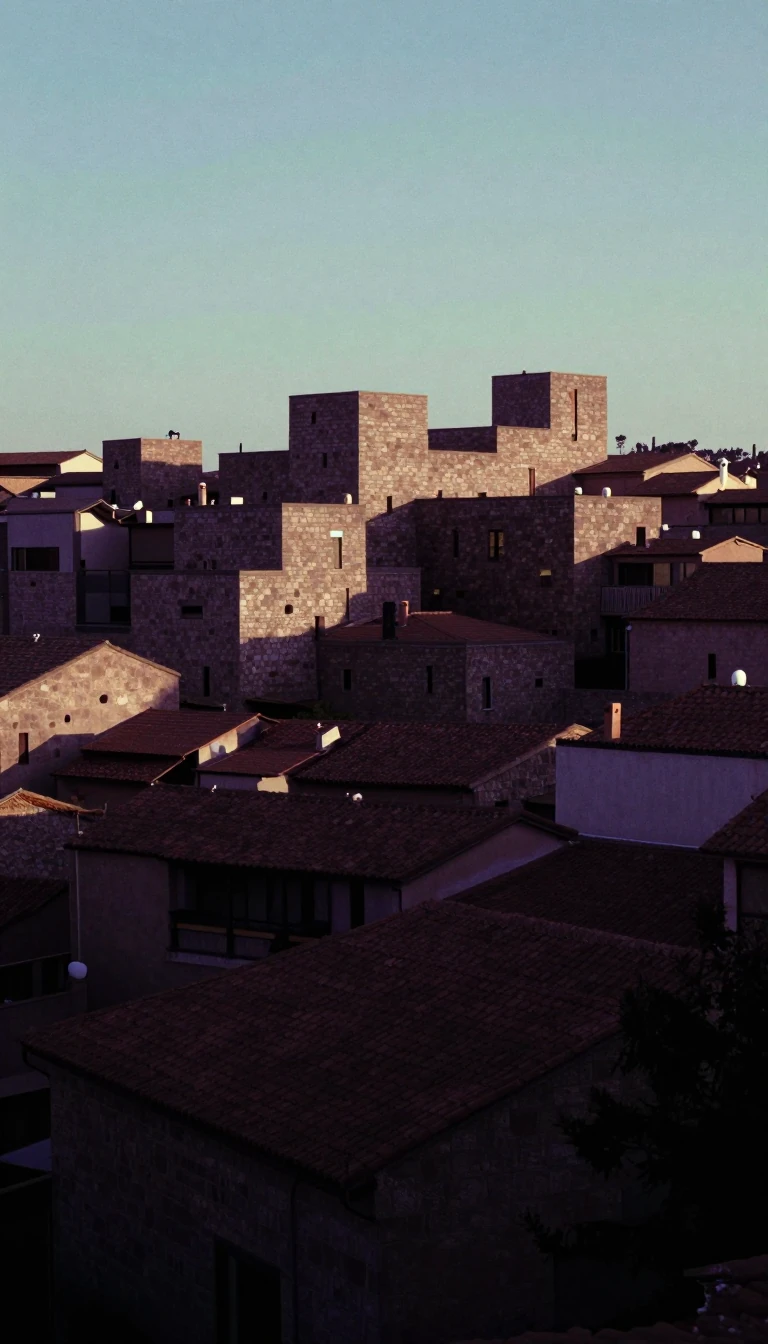
In short: Nestled within the Świętokrzyskie Mountains, Kielce has evolved from an 11th-century market town into a vital industrial and educational hub. While its name remains a subject of local legend and linguistic debate, the city’s resilience through centuries of shifting borders and conflict defines its unique place in Polish history.
The origins of Kielce are shrouded in both historical record and folklore. While the earliest written mention of the settlement dates to 1213, human activity in the region stretches back to the 5th century BC. Local legends often attribute the city's name to the discovery of animal tusks, or 'kieł' in Polish, by a hunting prince, though linguists suggest the name likely refers to the sprouting plants once found in the local wetlands. By the 12th century, the site had become a permanent settlement for hunters, eventually falling under the administration of the Bishops of Kraków, who oversaw its development as a religious and economic center.
Kielce’s strategic location and mineral wealth—including limestone, lead, and iron—fueled its growth as a metallurgical powerhouse. This industrial identity was cemented in 1816 with the founding of Poland’s first technical university, the Academy of Mining, by Stanisław Staszic. Although the institution was short-lived, closing in 1827, it established a legacy of technical education that persists today through institutions like the Kielce University of Technology. The city’s architectural heritage also reflects its past, notably the 17th-century Baroque bishop’s palace, which stands as a rare survivor of the destruction that visited the region during the 20th century.
Throughout its history, Kielce has navigated complex geopolitical shifts, moving between Austrian and Russian control before returning to Poland in 1918. Today, the city balances this deep historical narrative with a modern focus on commerce and culture. It hosts major international exhibitions at the Targi Kielce center and maintains a vibrant academic community. From its early days as a trade outpost for furs and meat to its current status as a provincial capital, Kielce remains a testament to the enduring nature of Polish urban centers.
Opens the Intellect+ feed with this card first. Swipe up for the next one.
Sources
- Summary by Intellect · source: Kielce | Historic City, Sandomierz Basin, Vistula River | Britannica
- Also: Kielce
- Also: Kielce
To cite this card, link to https://intellectplus.co.uk/app/places-kielce.
How we source, check and correct cards: Editorial standards.
General information, not professional advice. Spotted an error? Flag the card or see corrections and complaints.
Intellect Plus is a visual educational discovery platform for exploring fascinating facts and ideas. Brain Food, Not Brain Rot. What is Intellect Plus?
Related
More in Europe and Russia · More in Countries & Cities · Latest · A–Z · All topics
