How a Medieval Merchants' Town Became the Beating Heart of Polish National Identity
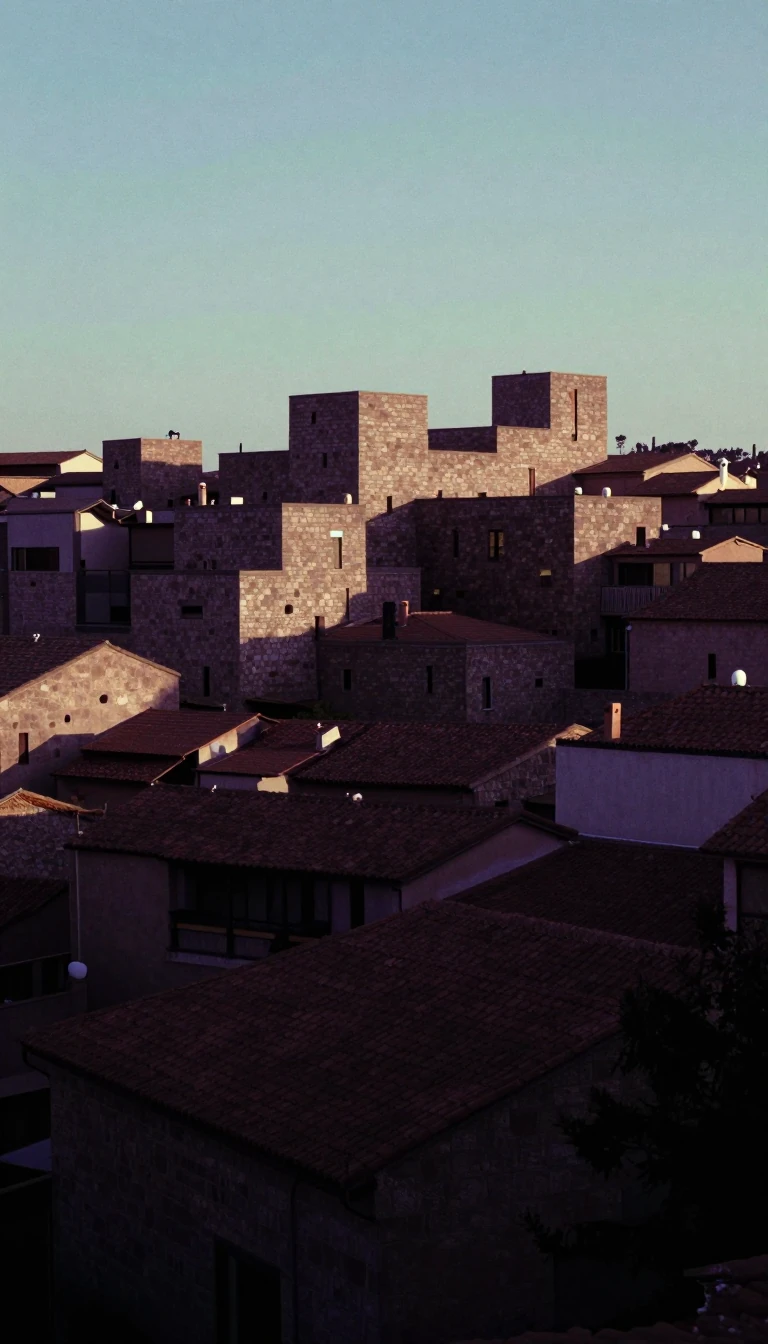
In short: Kraków's Old Town is more than a historic district; it is a living repository of Polish heritage. From its 13th-century layout and massive medieval market square to its Renaissance cloth halls and Baroque cathedrals, the city has survived centuries of invasions, partitions, and occupations to remain a vibrant cultural center.
The architectural foundation of Kraków’s Old Town was established in 1257, following the devastation caused by Tatar invasions. Designed as a merchants' town, it features the Main Market Square, which remains the largest medieval town square in Europe. This area was once protected by a three-kilometer defensive wall, featuring 46 towers and seven main entrances, though most of these fortifications were demolished in the 19th century to create the green belt known as Planty Park.
For centuries, Kraków served as the political center of Poland, hosting royal coronations and acting as the residence of Polish kings from the 11th century until 1596. The city’s intellectual life flourished under the Jagiellonian University, founded by Casimir III the Great. Even after the political capital shifted to Warsaw, Kraków remained a vital symbol of national identity, especially during the 19th-century partitions when its monuments became memorials for a partitioned nation.
The district is a dense concentration of history, housing approximately six thousand historic sites and over two million works of art. Its streets, such as the Royal Road, trace the path once taken by monarchs during coronation processions. Today, the Old Town is a UNESCO World Heritage site, where medieval basements house modern cafes and the traditional obwarzanki bread remains a ubiquitous symbol of the city's enduring character.
Despite the destruction of the 17th-century Swedish invasions and the hardships of the 20th century, including the German occupation during World War II, the district has retained its original medieval form. It continues to function as a hub for academic and artistic life, blending its ancient architectural legacy with a lively, contemporary atmosphere that attracts visitors from across the globe.
Opens the Intellect+ feed with this card first. Swipe up for the next one.
Sources
- Summary by Intellect · source: Kraków Old Town
- Also: Wikidata — Krakow Old Town Guesthouse · CC0
- Also: Wikidata — Kraków Old Town · CC0
To cite this card, link to https://intellectplus.co.uk/app/places-krak-w-old-town.
How we source, check and correct cards: Editorial standards.
General information, not professional advice. Spotted an error? Flag the card or see corrections and complaints.
Intellect Plus is a visual educational discovery platform for exploring fascinating facts and ideas. Brain Food, Not Brain Rot. What is Intellect Plus?
Related
More in World Heritage Sites · More in Countries & Cities · Latest · A–Z · All topics
