Klagenfurt: A Renaissance Fortress Built on the Legend of a Slain Dragon
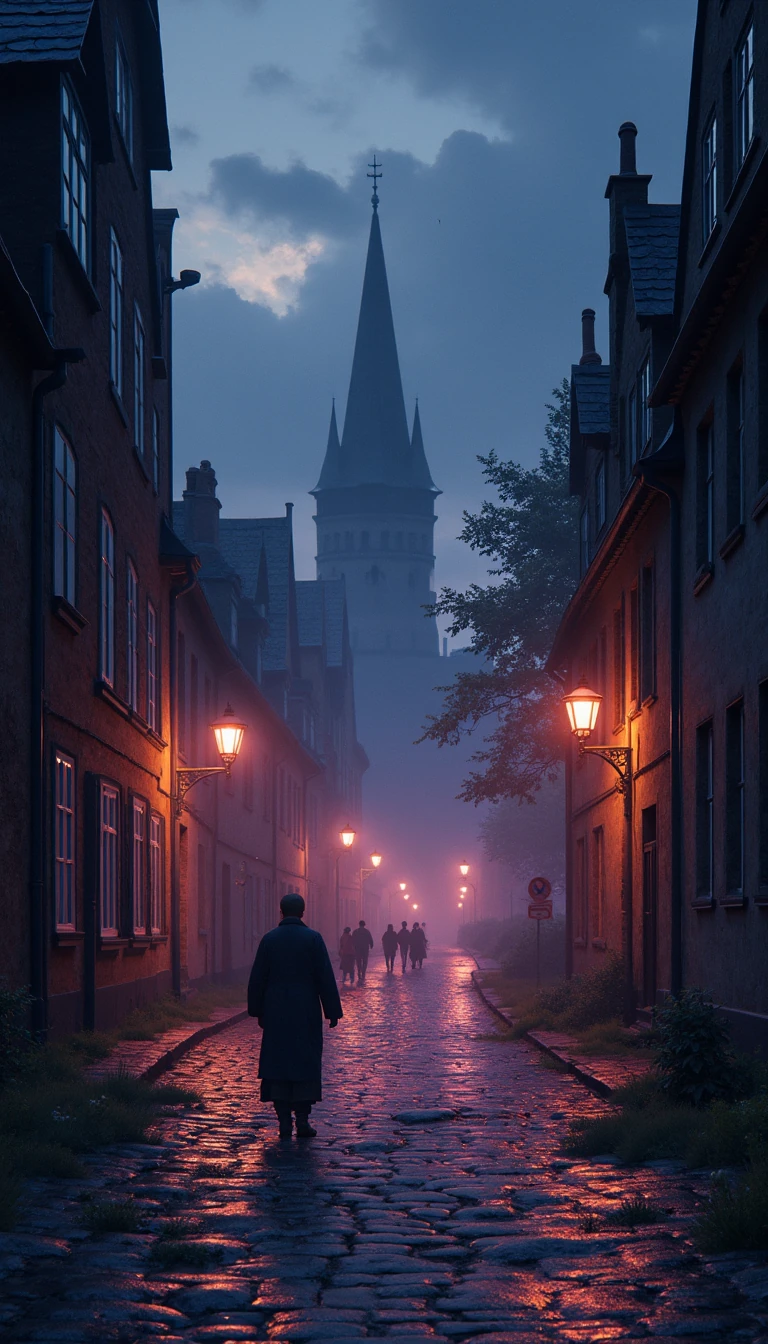
In short: Klagenfurt is the capital of Austria's Carinthia region, defined by its unique Renaissance architecture and a history of resilience. From surviving Ottoman attacks and devastating fires to its post-war transformation, this city on the Wörthersee lake balances its ancient, dragon-slaying folklore with a modern identity as a cultural and economic hub.
Founded in the late 12th century by Duke Herman, Klagenfurt began as a strategic stronghold. Its early location proved problematic due to frequent flooding, prompting Duke Bernhard von Spanheim to relocate the settlement in 1246. By 1252, it had secured a city charter. The city's growth was marked by significant hardship, including earthquakes, locust invasions, and a catastrophic fire in 1514. Unable to fund reconstruction, Emperor Maximilian I ceded the city to the local nobility in 1518. This shift triggered an economic and cultural renaissance, as the Estates rebuilt the city using a geometric chequer-board layout designed by Italian architect Domenico dell'Allio, eventually creating one of the strongest fortresses north of the Alps.
The city's name is shrouded in mystery and myth. While some scholars once linked it to a 'ford of lament' based on folklore about wailing ghosts, others suggest it stems from ancient linguistic roots related to water. Local legend offers a more dramatic origin: the city was founded on the site where brave men slew a winged 'lindwurm' that terrorized the moors. This dragon-slaying feat is immortalized today by the 9-ton Renaissance Lindwurmbrunnen monument in the city centre, a symbol of the town's enduring connection to its past.
Klagenfurt's 20th-century history was defined by turbulence and recovery. During World War II, the city suffered 41 bombing raids, resulting in hundreds of deaths and massive destruction. Following the war, it became a focal point for geopolitical tensions as Yugoslav forces claimed the area, leading to a tense standoff with British troops. Once stability returned, the city pioneered urban innovation, becoming the first in Austria to adopt a pedestrian zone in 1961. Today, it serves as a vital economic centre, hosting 20% of Carinthia's industrial companies while maintaining its status as a cultural beacon for the Carinthian Slovenes.
Opens the Intellect+ feed with this card first. Swipe up for the next one.
Sources
- Summary by Intellect · source: Klagenfurt
- Also: Wikidata — Klagenfurt am Wörthersee · CC0
- Also: Wikidata — SK Austria Klagenfurt · CC0
To cite this card, link to https://intellectplus.co.uk/app/places-klagenfurt.
How we source, check and correct cards: Editorial standards.
General information, not professional advice. Spotted an error? Flag the card or see corrections and complaints.
Intellect Plus is a visual educational discovery platform for exploring fascinating facts and ideas. Brain Food, Not Brain Rot. What is Intellect Plus?
Related
More in Europe and Russia · More in Countries & Cities · Latest · A–Z · All topics
