Why this young, non-volcanic mountain is a global biological treasure chest
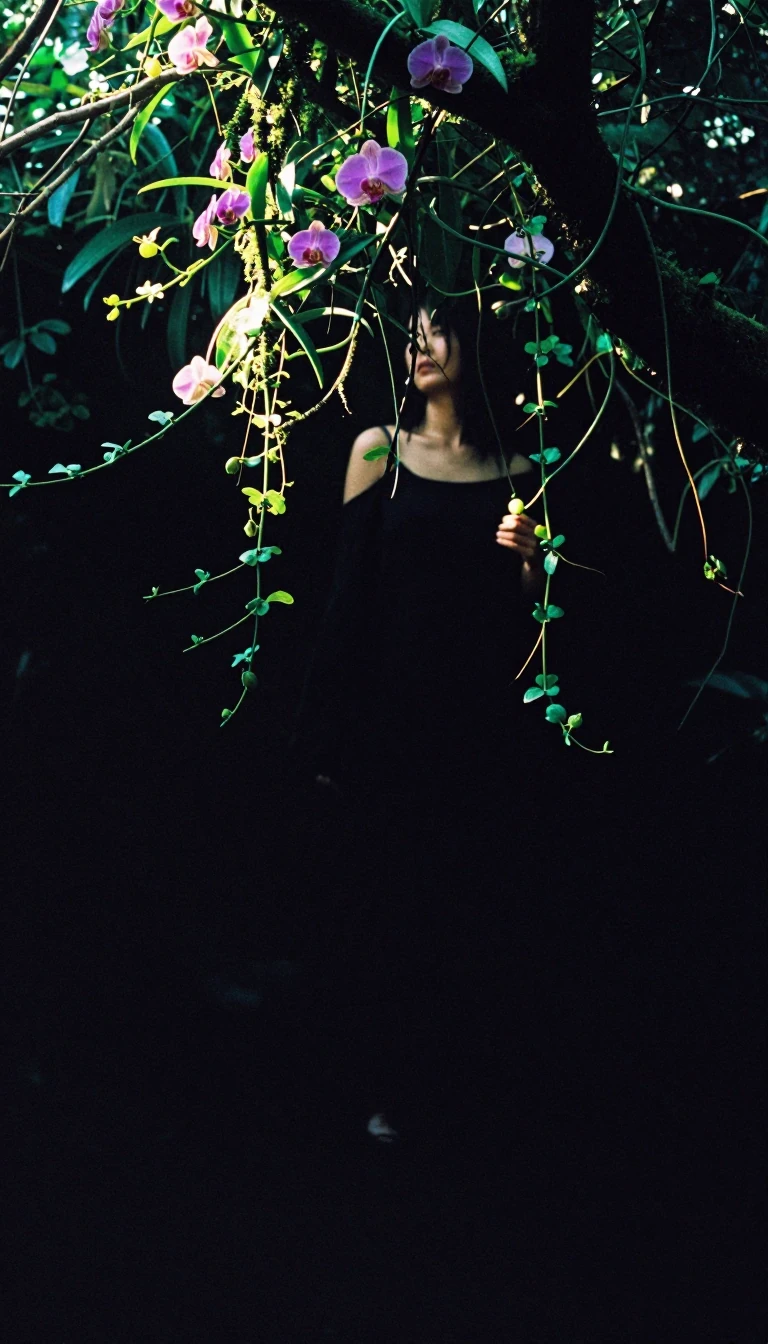
In short: Rising from the west coast of Borneo, Kinabalu Park is a biological powerhouse containing over 4,500 species of flora and fauna. Designated as Malaysia's first UNESCO World Heritage Site, this landscape spans four distinct climate zones, from lowland forests to alpine meadows, all anchored by a mountain that is still growing.
Kinabalu Park, established in 1964, serves as a critical Centre of Plant Diversity for Southeast Asia. Located in Sabah, the park covers 754 square kilometres and surrounds Mount Kinabalu, the highest peak on the island of Borneo at 4,095.2 meters. The region's ecological significance stems from its immense variety, hosting elements from Chinese, Australian, Himalayan, and pan-tropical floras. This diversity is organized into four climate zones, transitioning from rich dipterocarp forests through oak and coniferous belts to the stunted vegetation of the summit zone.
The mountain itself is a geological anomaly, recognized as one of the youngest non-volcanic mountains globally. Formed between 10 and 35 million years ago, it remains geologically active, currently rising at a rate of 5 millimetres per year. This rugged terrain features Low's Gully, a massive 1.6-kilometre deep ravine. The park's unique environment supports numerous endemic species, such as the Kinabalu giant red leech and the carnivorous Nepenthes rajah pitcher plant, alongside hundreds of bird, mammal, and land snail species.
The history of human exploration here dates back to 1851, when British naturalist Hugh Low led an expedition and became the first recorded person to reach the summit. His legacy persists in the mountain's highest point, Low's Peak. Modern access is facilitated by Sabah Parks, though the experience is highly regulated. Climbers must be accompanied by qualified guides, and logistics—including mandatory stays at specific lodges—are managed by a private entity. Despite the strict requirements, the park remains a premier destination, drawing hundreds of thousands of visitors annually to witness its extraordinary biodiversity.
Opens the Intellect+ feed with this card first. Swipe up for the next one.
Sources
- Summary by Intellect · source: Kinabalu Park
- Also: Wikidata — Kinabalu Park · CC0
To cite this card, link to https://intellectplus.co.uk/app/places-kinabalu-park.
How we source, check and correct cards: Editorial standards.
General information, not professional advice. Spotted an error? Flag the card or see corrections and complaints.
Intellect Plus is a visual educational discovery platform for exploring fascinating facts and ideas. Brain Food, Not Brain Rot. What is Intellect Plus?
Related
More in World Heritage Sites · More in Countries & Cities · Latest · A–Z · All topics
