Kilimanjaro National Park is a massive ecological sanctuary sitting just south of the equator
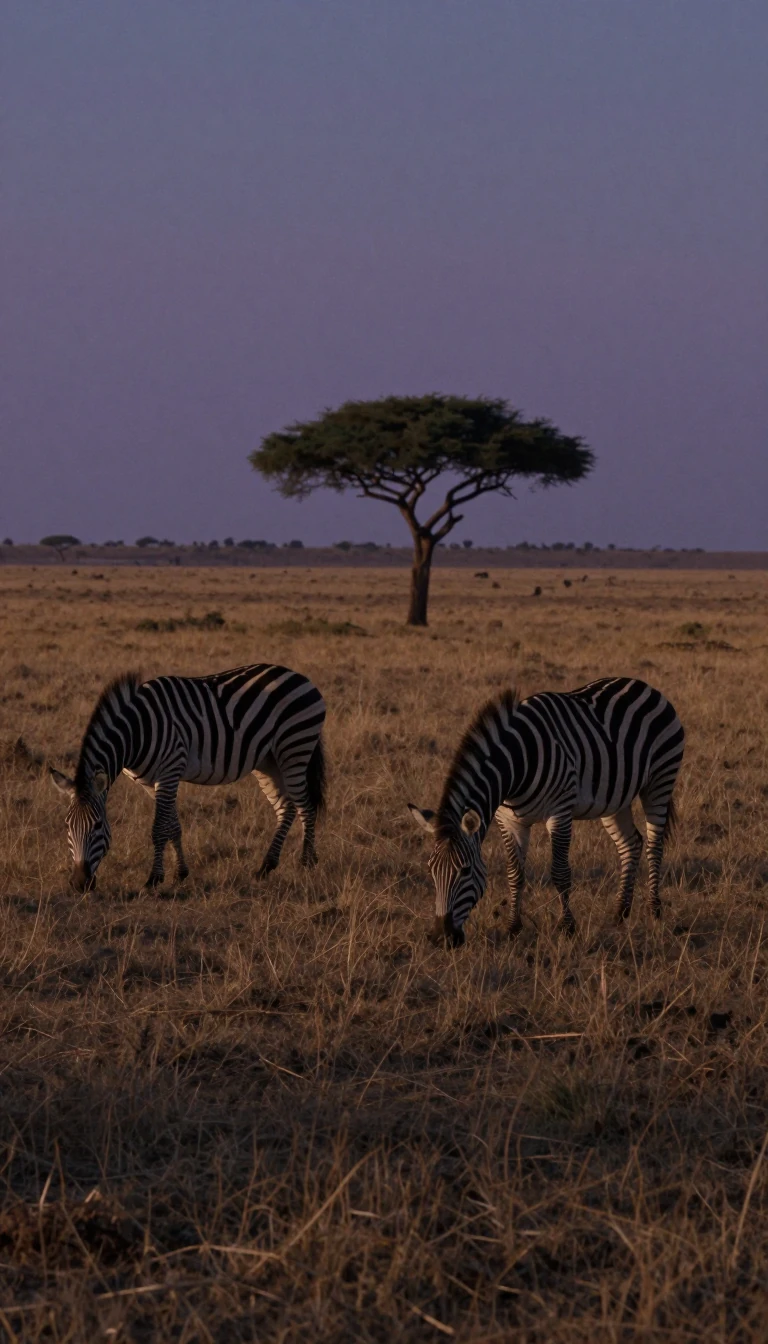
In short: Spanning 1,688 square kilometres, Kilimanjaro National Park protects the entirety of Mount Kilimanjaro above the tree line. Established in 1973 and later named a UNESCO World Heritage Site, this Tanzanian landmark is a major economic engine, attracting tens of thousands of international visitors annually to its diverse montane ecosystems.
Located roughly 300 kilometres south of the equator, Kilimanjaro National Park represents a significant conservation effort in Tanzania. The park's history dates back to the early twentieth century when the German colonial government first designated the mountain and its surrounding forests as a game reserve. By 1921, the area became a forest reserve, eventually transitioning into a national park in 1973. In 2005, the park underwent a major expansion to incorporate the entire montane forest belt, ensuring the protection of the mountain's unique ecological zones above 1,820 metres.
The park is managed by the Tanzania National Parks Authority, which oversees strict regulations for visitors. Climbing the mountain is the primary draw, but all ascents must follow designated routes and require licensed guides. This management framework is essential for maintaining the park's status as a World Heritage Site, a designation granted by UNESCO in 1987. Beyond its human visitors, the park serves as a vital habitat for a wide array of wildlife, ranging from leopards and blue monkeys in the montane forests to tree hyraxes and grey duikers thriving above the timberline.
Economically, the park is a powerhouse for the region. During the 2012–2013 budget year, it generated US$51 million in revenue, marking it as one of the few Tanzanian national parks to produce a surplus. While visitor numbers are high—recording 58,460 tourists in that same period—the park operates under a General Management Plan that sets specific capacity limits. For instance, in the 2011–2012 budget year, only 16,425 of the 57,456 total visitors attempted to hike the mountain, a figure well below the established capacity of 28,470 hikers. This balance between tourism and preservation remains central to the park's ongoing mission.
Opens the Intellect+ feed with this card first. Swipe up for the next one.
Sources
- Summary by Intellect · source: Kilimanjaro National Park
- Also: Wikidata — Kilimanjaro National Park · CC0
To cite this card, link to https://intellectplus.co.uk/app/places-kilimanjaro-national-park.
How we source, check and correct cards: Editorial standards.
General information, not professional advice. Spotted an error? Flag the card or see corrections and complaints.
Intellect Plus is a visual educational discovery platform for exploring fascinating facts and ideas. Brain Food, Not Brain Rot. What is Intellect Plus?
Related
More in World Heritage Sites · More in Countries & Cities · Latest · A–Z · All topics
