From Royal Passage to Counterculture Hub: The Evolution of King's Road
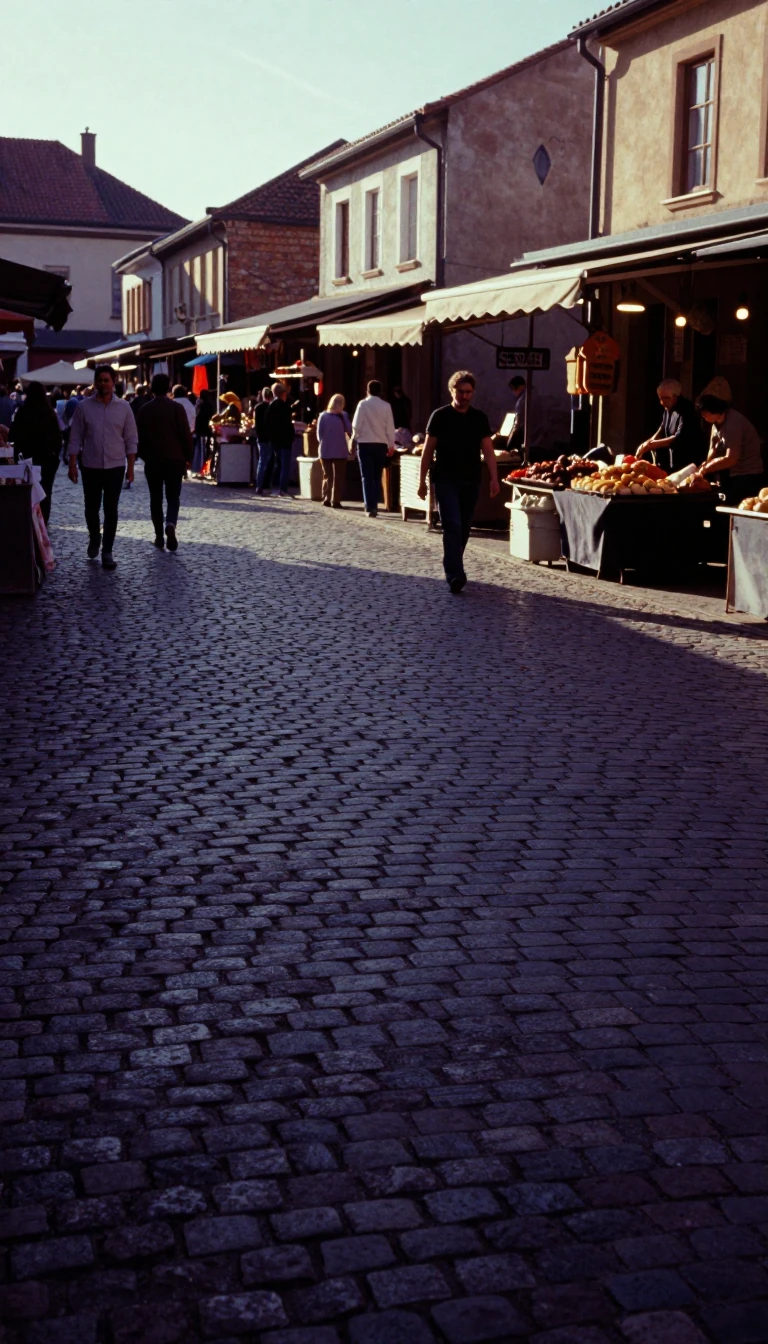
In short: This West London artery has worn many titles—from a private royal route to a global fashion nexus. Its history is etched into its architecture, reflecting shifts in culture, commerce, and even its very name. Discover how a path once reserved for royalty became a stage for modern rebellion and style.
King's Road's initial significance stemmed from its function as a private thoroughfare used by King Charles II when traveling to Kew. This royal status persisted until 1830, though access remained restricted to those with connections. The street's physical span runs for nearly two miles (3.2 km) through Chelsea, bordered by Sloane Square in the east and extending through the Chelsea Design Quarter into Fulham. The route navigates a slight deviation near Waterford Road before continuing toward Fulham High Street and Putney Bridge, with its western terminus in the London Borough of Hammersmith & Fulham.
The street's cultural resonance has been remarkably layered. In the 1960s, it became synonymous with mod culture, a decade when Mary Quant opened her BAZAAR boutique at 138a King's Road in 1955. This era saw the street function as a center for counterculture, hosting boutiques like Malcolm McLaren's Let It Rock (renamed SEX in 1974) and Granny Takes a Trip. Later, it served as a meeting point for the Pet Shop Boys in August 1981.
Beyond fashion, the road has housed institutions and notable figures. The Chelsea Hospital for Women was established here in 1871. Furthermore, the building at No. 213 is associated with film director Sir Carol Reed, who resided there from 1948 until his passing in 1976. Thomas Arne is believed to have composed "Rule Britannia" at no. 215, while Ellen Terry also lived at this address between 1904 and 1920. The area's commercial history also includes the opening of the world's first artificial ice rink, the Glaciarium, in 1876.
The modern infrastructure reflects its importance, as the eastern section is designated as one of 35 major centers in Greater London, and the area is part of the A3217. While the London Underground has historically provided poor links to Chelsea, the proposed Crossrail 2 route includes a station designated King's Road Chelsea, acknowledging the area's continued centrality.
Opens the Intellect+ feed with this card first. Swipe up for the next one.
Sources
- Summary by Intellect · source: King's Road
- Also: Wikidata — King's Road · CC0
- Also: Wikidata — King's Road · CC0
To cite this card, link to https://intellectplus.co.uk/app/places-king-s-road.
How we source, check and correct cards: Editorial standards.
General information, not professional advice. Spotted an error? Flag the card or see corrections and complaints.
Intellect Plus is a visual educational discovery platform for exploring fascinating facts and ideas. Brain Food, Not Brain Rot. What is Intellect Plus?
Related
More in Famous streets & squares · More in Countries & Cities · Latest · A–Z · All topics
