From Roman milestone to suburban retreat: the layered history of Leytonstone
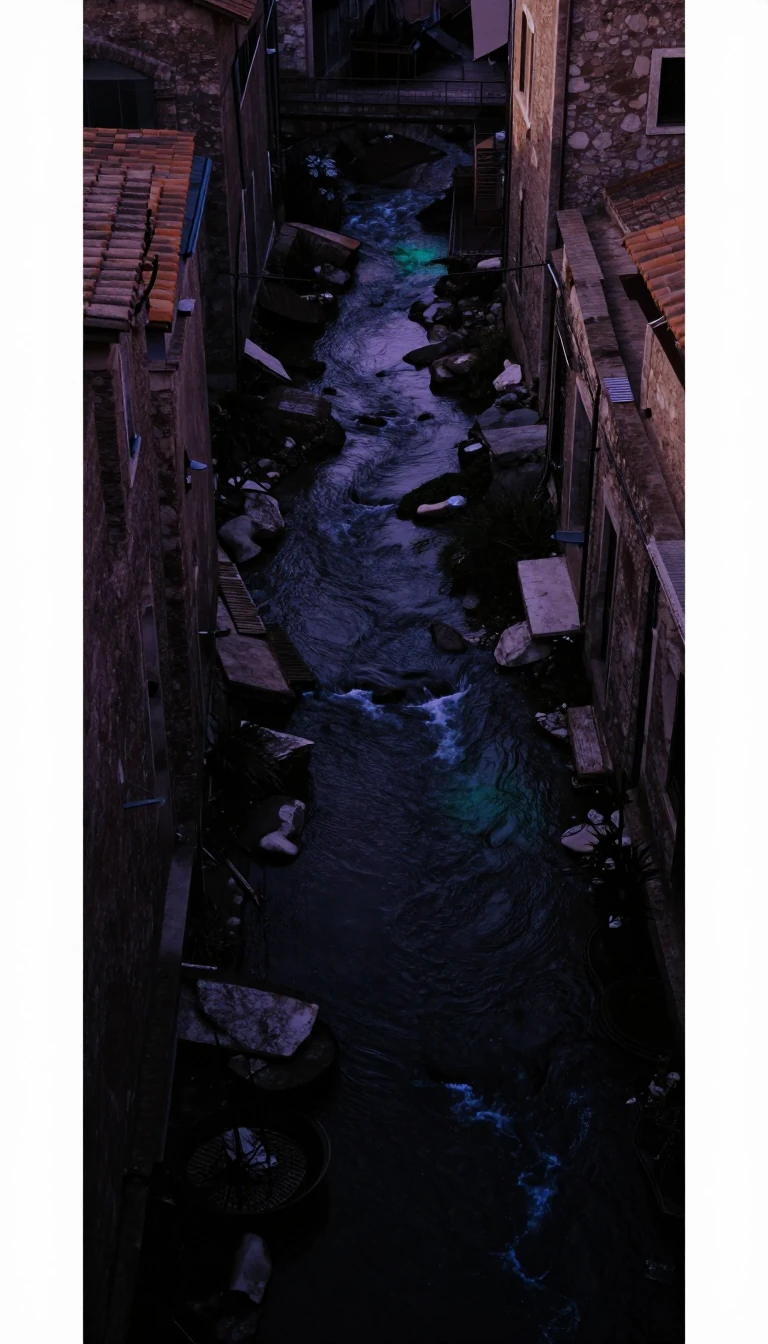
In short: Leytonstone began as a 14th-century hamlet defined by a Roman milestone, later evolving into a wealthy merchant retreat. Today, this East London area balances its rural heritage, preserved by the Epping Forest Act, with a vibrant suburban identity shaped by railway expansion, cinematic history, and a legacy of grassroots protest.
The name Leytonstone, or 'Leyton-atte-Stone', originates from a Roman milestone that once marked the northern boundary of the ancient parish of Leyton. This stone, a restored 18th-century obelisk, still stands at the junction of Hollybush Hill and New Wanstead. While the area remained largely rural for centuries, it gained prominence in the 18th century as a desirable country retreat for wealthy financiers from the City of London, as noted by author Daniel Defoe in 1722. The village was famously associated with 'The Green Man', a local public house that served as a landmark for travelers.
The 19th century brought rapid transformation. The opening of the railway station in 1856 connected the area to central London, shifting its character from a rural hamlet to a suburban dormitory town. This era also saw the establishment of the department store Bearmans in 1898, which notably featured the first escalator outside central London. Despite this development, a significant portion of the landscape was protected from urban sprawl by the Epping Forest Act 1878, which preserved over 200 acres of open space for public use. This commitment to the environment persisted into the 1990s, when local protests against the M11 link road helped lead to the abandonment of the 'Roads for Prosperity' policy.
Leytonstone has maintained a distinct cultural footprint. It is the birthplace of filmmaker Alfred Hitchcock, whose legacy is celebrated through mosaics and murals throughout the area. The neighborhood has also served as a backdrop for various media, from Spike Milligan’s 1969 play 'The Bed-Sitting Room' to the 2004 Bollywood film 'I Proud to Be an Indian'. Furthermore, the area holds a unique place in sporting history; the Wanderers F.C., founded in Leytonstone in 1859, won the inaugural Football Association Challenge Cup in 1872. Today, the area remains a complex intersection of history, community activism, and modern London life.
Opens the Intellect+ feed with this card first. Swipe up for the next one.
Sources
- Summary by Intellect · source: Leytonstone
To cite this card, link to https://intellectplus.co.uk/app/culture-leytonstone.
How we source, check and correct cards: Editorial standards.
General information, not professional advice. Spotted an error? Flag the card or see corrections and complaints.
Intellect Plus is a visual educational discovery platform for exploring fascinating facts and ideas. Brain Food, Not Brain Rot. What is Intellect Plus?
Related
More in UK & Irish culture · More in Cultures · Latest · A–Z · All topics
