Kinnekulle: The Swedish plateau that survived millions of years of erosion
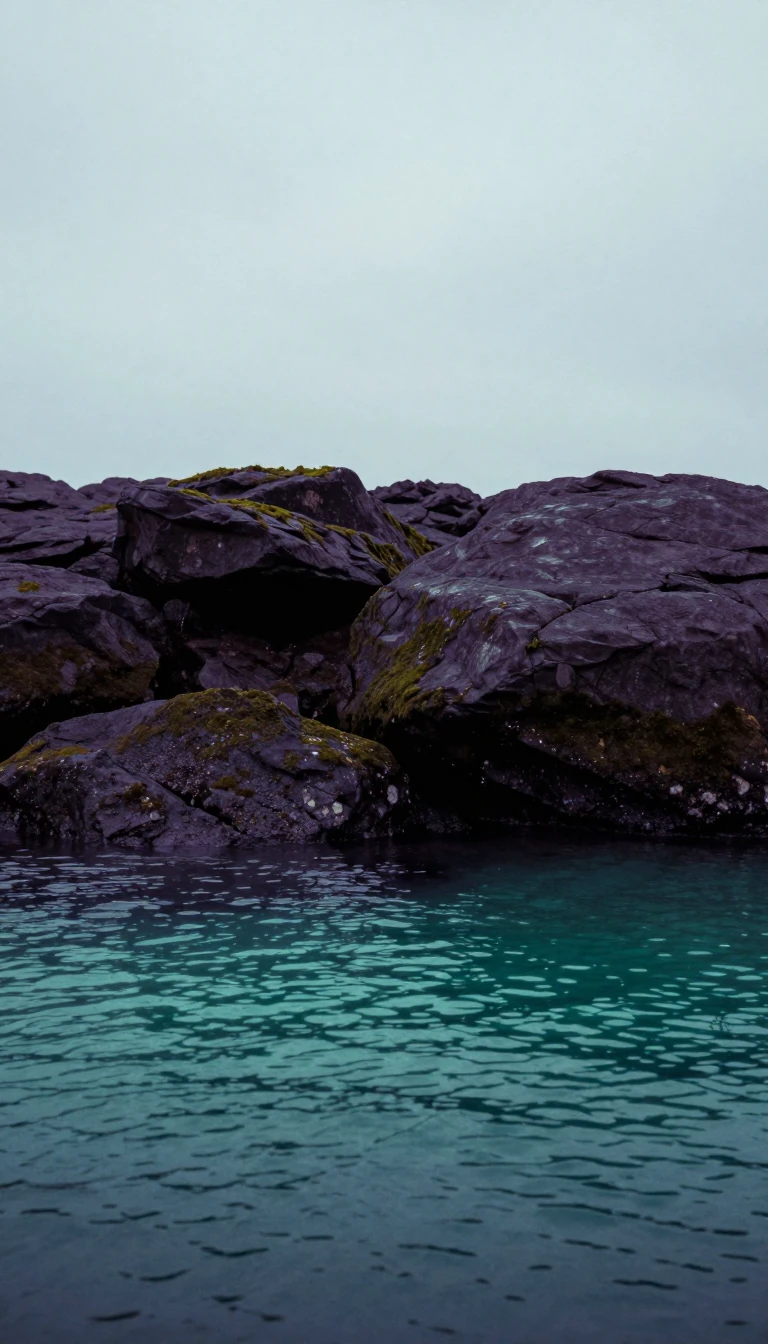
In short: Rising from the Precambrian landscape of southwestern Sweden, Kinnekulle is a flat-topped mountain that defies the surrounding terrain. This geological island, protected by a cap of resistant diabase, reveals a deep history of sedimentary layers and ancient seas, serving as a silent witness to the earth's transformative power over half a billion years.
Kinnekulle stands as a striking geological anomaly in Västergötland, Sweden. While the surrounding landscape is defined by Precambrian crystalline rock, this mountain is an erosional remnant of Paleozoic sedimentary strata. Measuring 14 kilometers long and 7 kilometers wide at its summit, the mountain reaches an elevation of 306 meters above sea level. Its distinctive flat top is the result of a protective diabase sill—a sheet of molten lava that forced its way through the rock layers about 200 million years ago during the Mesozoic era. This cap acted as a shield, preventing the softer underlying rock from being worn away by the forces that leveled the rest of the region into a plain.
The mountain's composition offers a vertical timeline of the Earth's history. Its base rests on a Precambrian foundation, topped by layers of Cambrian sandstone, alum shales, Ordovician Orthoceratite limestone, and Silurian slates. These sediments accumulated over 550 million years ago when the area was submerged beneath an epicontinental sea. The limestone layers are particularly notable for their extremely low sedimentation rates, marked by hardgrounds that signify long intervals where no new material was deposited. This sequence provides a rare, preserved record of the ancient Baltoscandian Shield.
Beyond its geological significance, Kinnekulle is a site of profound human history. The area is dense with archaeological remains, including at least 20 gallery graves dating from the Late Neolithic, roughly 2200 to 1700 BCE, and the Early Bronze Age, from 1700 to 1100 BCE. The mountain is also central to Swedish cultural tradition; the town of Husaby, located on its southern slope, is the site where King Olof Skötkonung was reportedly baptized in 1008. This convergence of deep geological time and early medieval history makes Kinnekulle a unique landmark in the Swedish landscape.
Opens the Intellect+ feed with this card first. Swipe up for the next one.
Sources
- Summary by Intellect · source: Kinnekulle
- Also: Wikidata — Kinnekulle · CC0
To cite this card, link to https://intellectplus.co.uk/app/places-kinnekulle.
How we source, check and correct cards: Editorial standards.
General information, not professional advice. Spotted an error? Flag the card or see corrections and complaints.
Intellect Plus is a visual educational discovery platform for exploring fascinating facts and ideas. Brain Food, Not Brain Rot. What is Intellect Plus?
Related
More in Mountain peaks and volcanos · More in Countries & Cities · Latest · A–Z · All topics
