Why the Jungfrau, the 'Maiden' of the Swiss Alps, was never named for a woman.
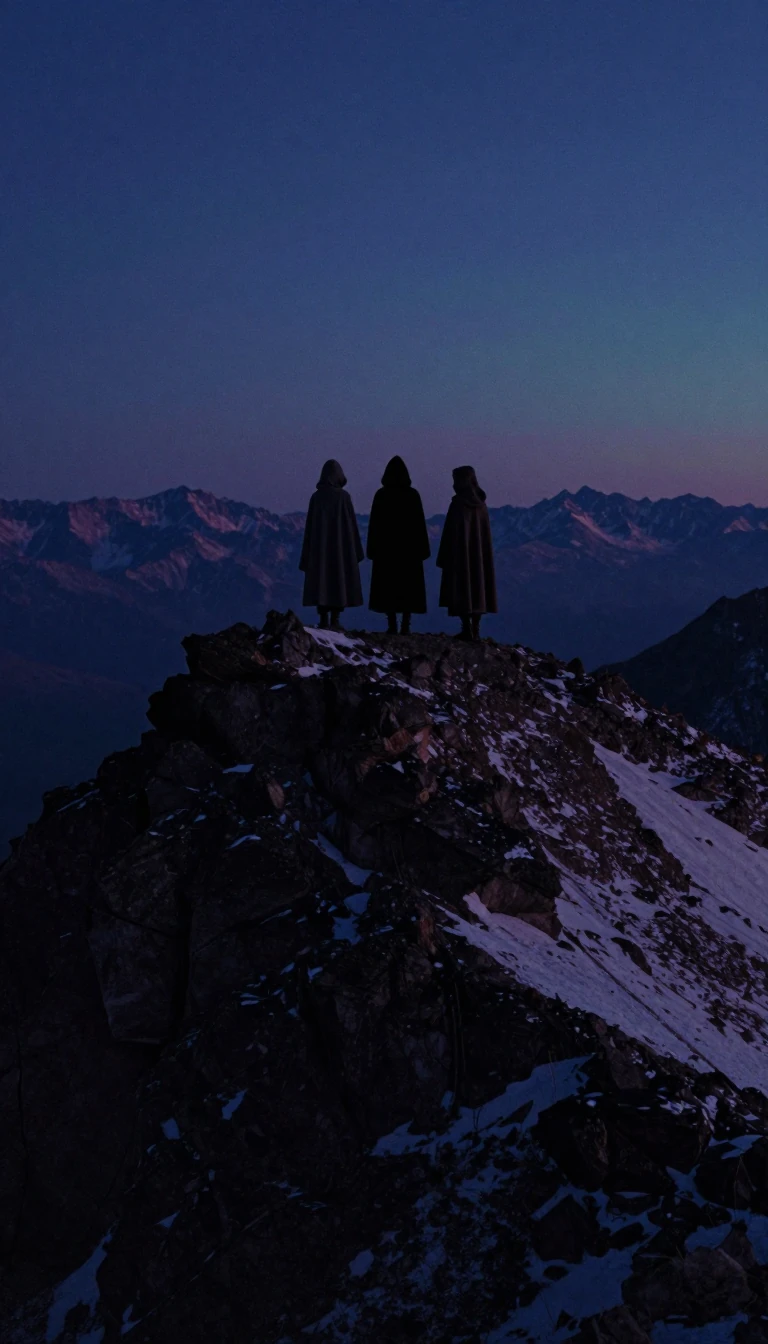
In short: Rising 4,158 meters, the Jungfrau is a titan of the Bernese Alps. While its name translates to maiden or virgin, the moniker has nothing to do with the mountain's snowy, veiled appearance. Instead, it honors the nuns of the Interlaken Monastery, who historically owned the alpine meadow facing the peak.
The Jungfrau forms a massive, 10-kilometer-long wall alongside the Eiger and the Mönch, dominating the landscape above the Swiss town of Interlaken. Despite its imposing stature and a height difference of 3,600 meters from the valley floor, the peak remained untouched by human climbers until the 19th century. Its reputation for inaccessibility was bolstered by the extreme steepness of its north face, which discouraged early exploration.
The first successful ascent was achieved on 3 August 1811 by the brothers Johann Rudolf and Hieronymus Meyer, accompanied by two chamois hunters from Valais. This expedition was a grueling, multi-day affair that required traversing high glaciers and mountain passes. By the mid-19th century, the mountain became a focal point for romanticized alpine exploration, with climbers often enduring biting winds, frostbite, and treacherous ice slopes to reach the summit.
The mountain's character changed dramatically in the early 20th century with the construction of the Jungfrau Railway. Conceived by Adolf Guyer-Zeller in 1893, the project aimed to tunnel through the mountain to provide easier access to the high-altitude glaciers. Though the original plan to install an elevator to the very summit was abandoned due to the outbreak of World War I, the railway successfully reached the Jungfraujoch saddle by 1912. Today, this station remains the highest in Europe, transforming the once-remote peak into one of the most visited locations in the Alps.
While the railway provides a relatively short route to the summit, the mountain remains a site of significant risk. The normal route, which follows the path of early explorers, can be dangerous, particularly on the upper sections above the Rottalsattel. In 2007, an avalanche on this route claimed the lives of six Swiss Army recruits, highlighting that despite modern infrastructure, the Jungfrau remains a formidable and unpredictable alpine environment.
Opens the Intellect+ feed with this card first. Swipe up for the next one.
Sources
To cite this card, link to https://intellectplus.co.uk/app/places-jungfrau.
How we source, check and correct cards: Editorial standards.
General information, not professional advice. Spotted an error? Flag the card or see corrections and complaints.
Intellect Plus is a visual educational discovery platform for exploring fascinating facts and ideas. Brain Food, Not Brain Rot. What is Intellect Plus?
Related
More in Mountain peaks and volcanos · More in Countries & Cities · Latest · A–Z · All topics
