How a 16th-century fortress city became the cradle of Japan's modern peace movement
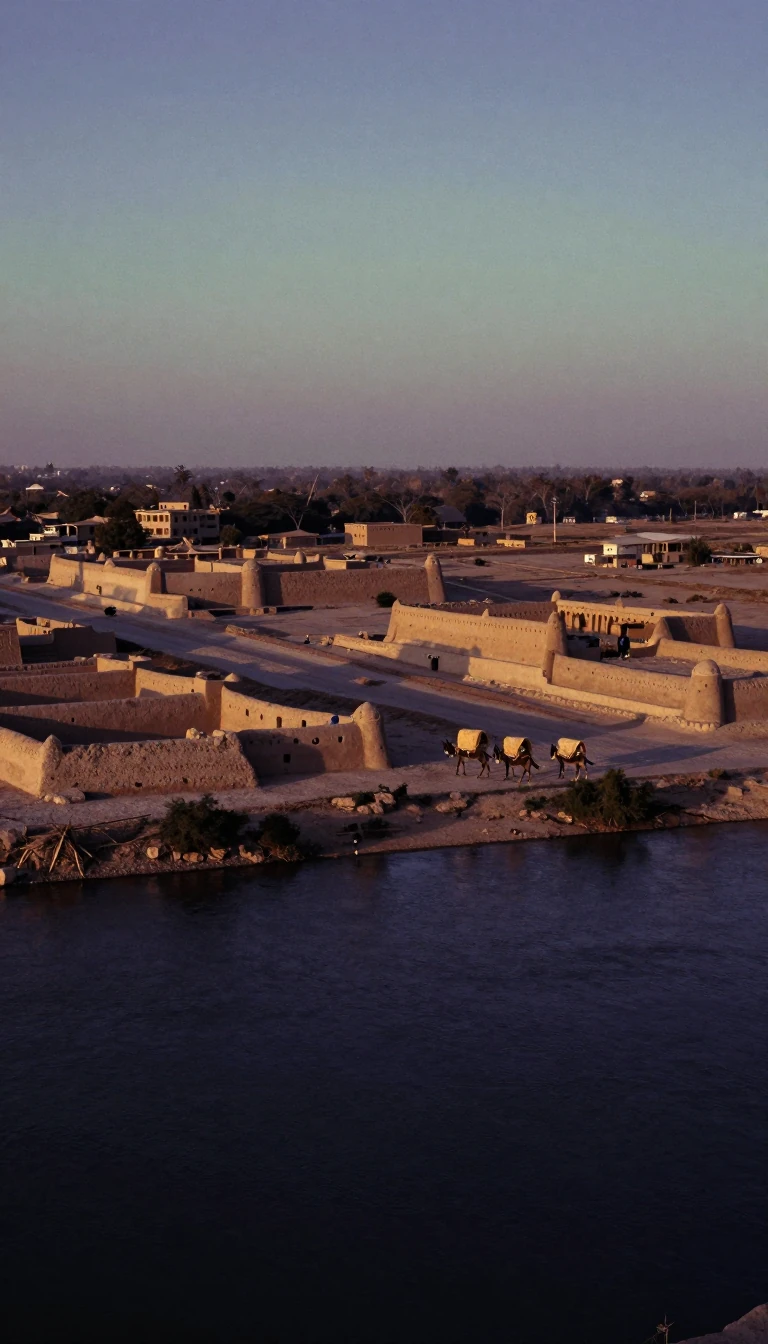
In short: Kumamoto is defined by its impenetrable castle, built by a legendary strategist in 1588. Yet, this city of warriors also birthed a global movement for peace. From the final home of the world's most famous swordsman to the site of the first global Peace Pagoda, Kumamoto holds a complex, storied legacy.
The city's history is anchored by Katō Kiyomasa, a daimyō who transformed the region in 1588. His masterpiece, Kumamoto Castle, was renowned for its innovative, impenetrable defensive design. Following the Hosokawa clan's takeover in 1632, the city became a sanctuary for high culture and martial arts. Most notably, the legendary swordsman Miyamoto Musashi spent his final years here under the patronage of Hosokawa Tadatoshi. It was in this environment that Musashi penned his seminal work, The Book of Five Rings, and resided in the Reigandō cave.
The 20th century brought profound transformation. During World War II, an Allied air raid in July 1945 destroyed 20% of the city. In the aftermath, the Buddhist monk Nichidatsu Fujii sought to channel this trauma into a global mission. He constructed the first of over 80 Peace Pagodas atop Mount Hanaoka, inaugurated in 1954. This structure served as a monument to those lost in war and a catalyst for a worldwide movement dedicated to non-violence.
Today, Kumamoto balances its feudal heritage with modern urban life. While the castle remains its most iconic landmark, the city has evolved into a major regional hub. It was designated a government-ordinance city in 2012, a milestone celebrated by the establishment of the annual Kumamoto Castle Marathon. Despite facing natural challenges, such as the significant earthquakes of April 2016, the city remains a vital center for culture, sports, and transit, connected to Tokyo via the high-speed shinkansen network completed in 2011.
The city also reflects Japan's modern social tensions. In 2017, the municipal assembly made international headlines when politician Yuka Ogata was forced to leave a session for bringing her infant, sparking a broader conversation about the systemic challenges facing working mothers in Japan. This blend of ancient tradition, architectural resilience, and contemporary social evolution defines the unique character of Kumamoto.
Opens the Intellect+ feed with this card first. Swipe up for the next one.
Sources
- Summary by Intellect · source: Kumamoto
- Also: Wikidata — Kumamoto · CC0
To cite this card, link to https://intellectplus.co.uk/app/places-kumamoto.
How we source, check and correct cards: Editorial standards.
General information, not professional advice. Spotted an error? Flag the card or see corrections and complaints.
Intellect Plus is a visual educational discovery platform for exploring fascinating facts and ideas. Brain Food, Not Brain Rot. What is Intellect Plus?
Related
More in Asia · More in Countries & Cities · Latest · A–Z · All topics
