How a quiet Japanese port became the cradle of the world's largest battleship.
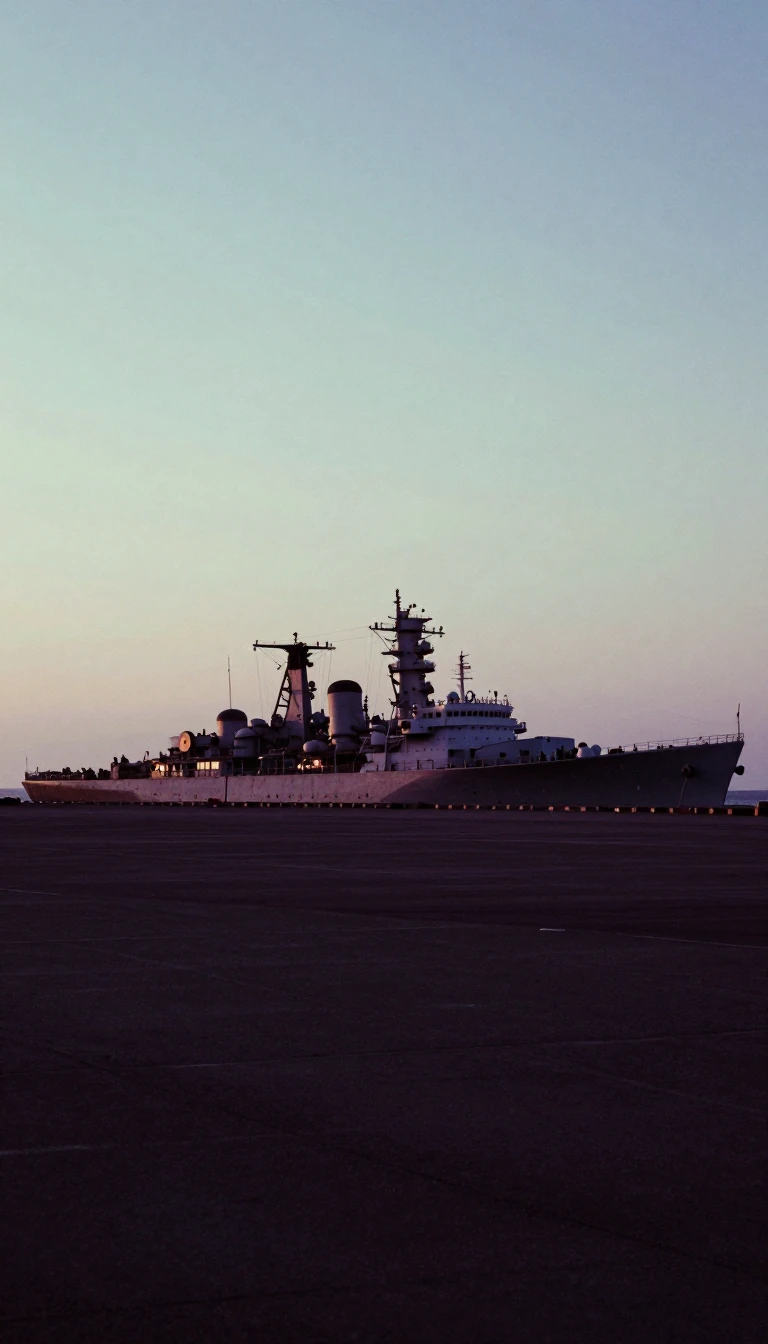
In short: Nestled in the Hiroshima Prefecture, Kure transformed from a regional seaport into the industrial heart of the Imperial Japanese Navy. Once the site where the massive Yamato was launched, this city now balances its storied naval legacy with a modern identity as a center for maritime tourism and defense technology.
The history of Kure is inextricably linked to its geography and the strategic ambitions of the late 19th century. Positioned along the Seto Inland Sea, the area was a vital port during the Edo period, but its modern trajectory began in 1889 with the establishment of the Kure Naval District. This move catalyzed rapid industrialization, turning the city into a powerhouse of steel production and shipbuilding. By 1902, the city was formally incorporated, and by 1903, the Kure Naval Arsenal was established, cementing its role as the primary hub for Japan's naval might.
Kure's engineering prowess reached its zenith during the Pacific War, when it served as the Imperial Japanese Navy's largest base. The city's dockyards were responsible for significant milestones, including the 1905 launch of the Tsukuba, the first major domestically built capital ship, and the 1940 construction of the Yamato, the largest battleship ever built. This industrial concentration made the city a primary target during the conflict, leading to sustained aerial bombardment throughout 1945, particularly during the intense Battle of Kure in July of that year.
Following the war, the city underwent a significant transition. From 1946 to 1952, it served as the headquarters for the British Commonwealth Occupation Force. Today, Kure maintains its maritime heritage while evolving into a modern industrial and tourism hub. It remains a critical base for the Japan Maritime Self-Defense Force, hosting training centers and a major hospital. Visitors now flock to the Yamato Museum, which features a 1:10 scale model of the legendary battleship, offering a window into the city's complex past. Despite a population decline over the last four decades, Kure continues to function as a vital maritime center, bridging its industrial roots with its contemporary role in regional defense and education.
Opens the Intellect+ feed with this card first. Swipe up for the next one.
Sources
- Summary by Intellect · source: Kure, Hiroshima
- Also: Wikidata — Kure · CC0
To cite this card, link to https://intellectplus.co.uk/app/places-kure-hiroshima.
How we source, check and correct cards: Editorial standards.
General information, not professional advice. Spotted an error? Flag the card or see corrections and complaints.
Intellect Plus is a visual educational discovery platform for exploring fascinating facts and ideas. Brain Food, Not Brain Rot. What is Intellect Plus?
Related
More in Asia · More in Countries & Cities · Latest · A–Z · All topics
