How a wild boar's bath built a German salt empire
In short: Long before it was a university town, Lüneburg was a powerhouse of the Hanseatic League. Its wealth was built on a legendary discovery: salt found in the bristles of a boar. This single commodity fueled a massive trade network, connecting Northern Europe through a monopoly on preservation.
The legend of Lüneburg's prosperity begins with a hunter and a wild boar. According to tradition, a hunter observed a boar bathing in a pool; after killing the animal and drying its coat, he discovered white salt crystals embedded in the bristles. This discovery led to the establishment of the Lüneburg Saltworks, which operated for centuries and drove the town's economic ascent.
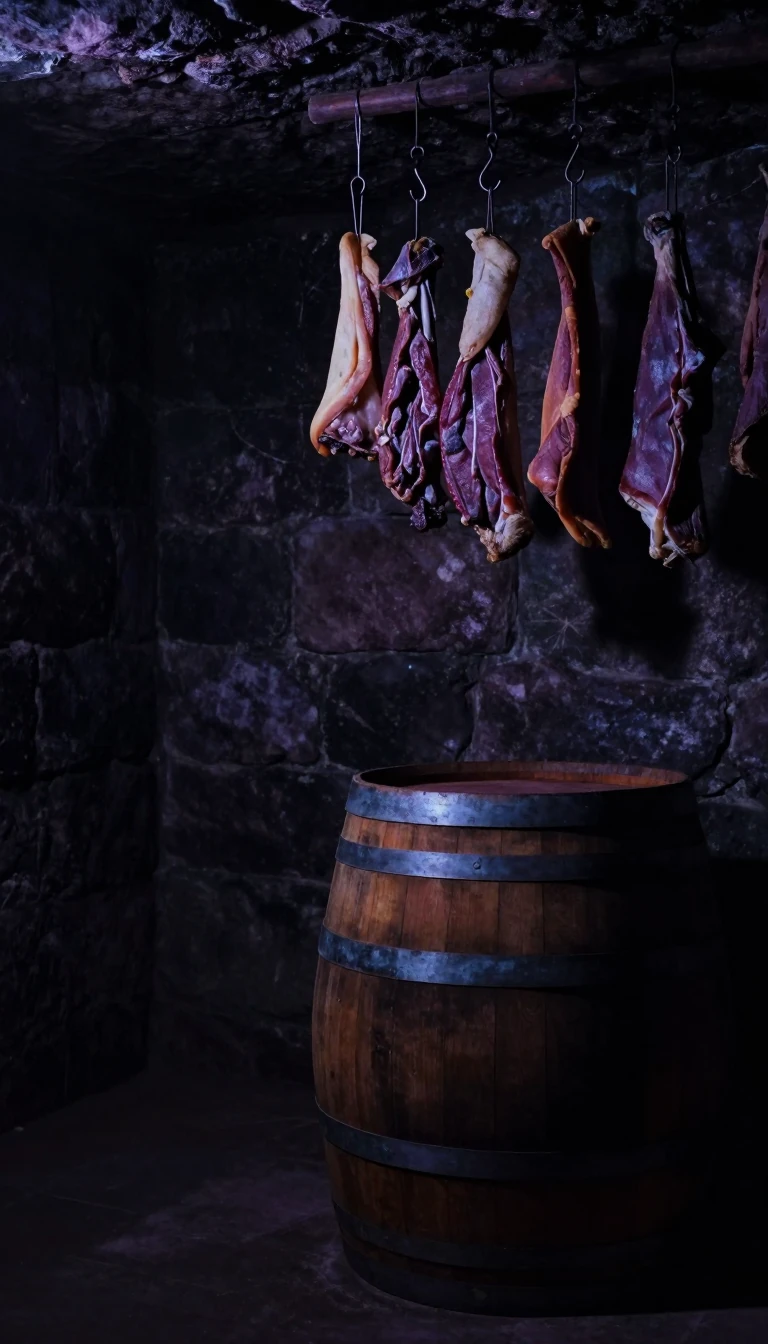
This salt was the essential ingredient for the Hanseatic League's most vital trade: preserving herring caught in the Baltic and Norwegian seas. This allowed fish to be transported and eaten inland during religious fasting periods when meat was prohibited. To protect this lucrative monopoly, Lüneburg implemented the 'staple right' in 1392, forcing passing merchants to unload and offer their goods for sale locally.
The town's history is marked by dramatic shifts in power. Originally subordinate to the nearby, more prosperous trading post of Bardowick, Lüneburg gained town privileges in 1189 after Henry the Lion destroyed Bardowick for refusing his allegiance. While the salt industry eventually declined after 1560, leaving the town in a period of 'boredom' described by Heinrich Heine, the historic center survived the heavy bombings of 1940–1945.
Today, Lüneburg's identity is defined by preservation. After post-war discussions even suggested demolishing the old town, a movement led by figures like Curt Pomp in the late 1960s focused on cultural heritage conservation. This effort saved the medieval architecture that now serves as a primary economic driver through tourism, alongside the modern presence of Leuphana University.
Opens the Intellect+ feed with this card first. Swipe up for the next one.
Sources
- Summary by Intellect · source: Lüneburg
- Also: Wikidata — Lüneburg · CC0
- Also: Wikidata — Lüneburg · CC0
To cite this card, link to https://intellectplus.co.uk/app/places-l-neburg.
How we source, check and correct cards: Editorial standards.
General information, not professional advice. Spotted an error? Flag the card or see corrections and complaints.
Intellect Plus is a visual educational discovery platform for exploring fascinating facts and ideas. Brain Food, Not Brain Rot. What is Intellect Plus?
Related
More in World Heritage Sites · More in Countries & Cities · Latest · A–Z · All topics
