Is the Great Wall of India the most formidable fortress in the Aravalli Hills?
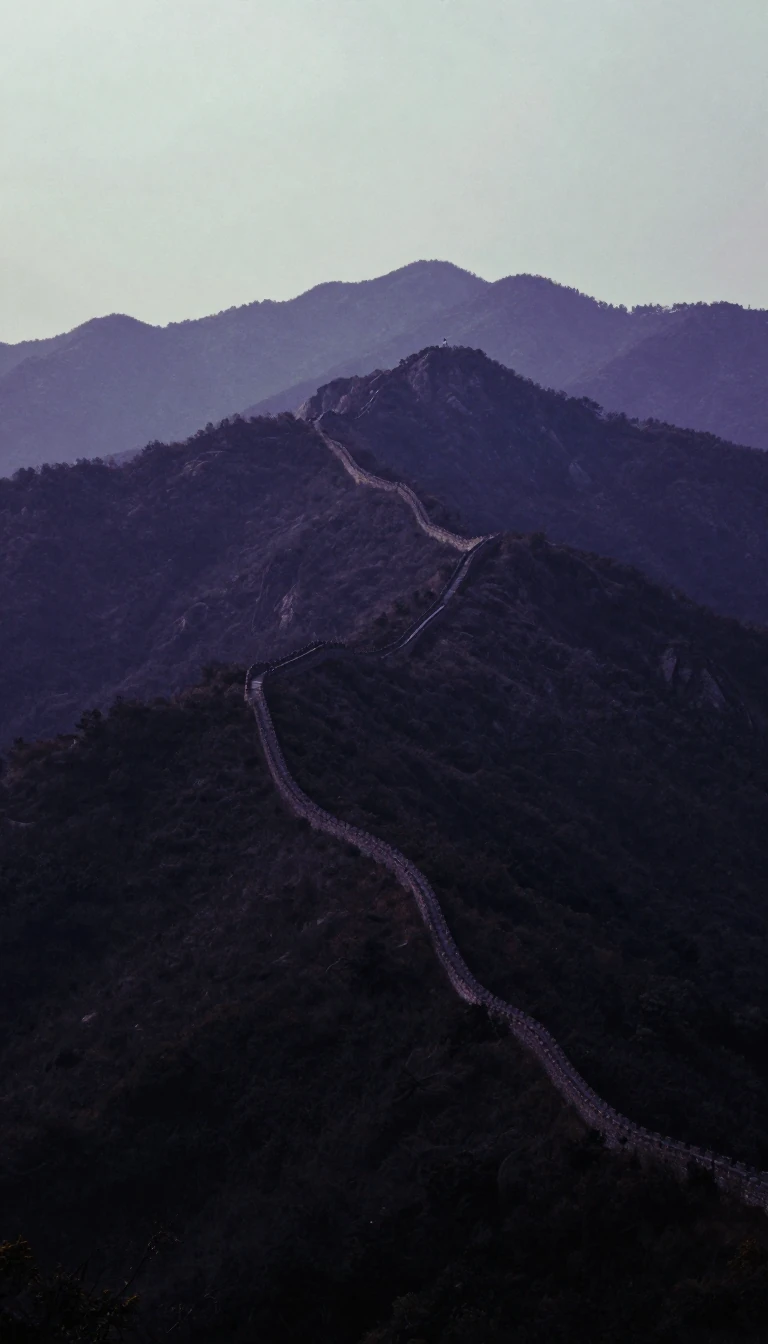
In short: Perched 1,100 meters above sea level, Kumbhalgarh is a 15th-century architectural marvel. Featuring a 36-kilometer defensive wall, it served as a vital stronghold for the Kingdom of Mewar. Today, this UNESCO World Heritage Site stands as a testament to Rajput military ingenuity and the enduring legacy of Rana Kumbha.
Commissioned in 1448 AD by Rana Kumbha, the ruler of Mewar, Kumbhalgarh was designed by the chief architect Mandan. The fort, whose name translates to 'Kumbha's Fort,' was the largest and most elaborate of the 32 fortresses built by the king out of his 84 total strongholds. It served as a secondary capital, strategically positioned on the Aravalli range to oversee a kingdom that stretched from Ranthambore to Gwalior.
The site is renowned for its massive perimeter walls, which span 36 kilometers, earning it the moniker 'the Great Wall of India.' These fortifications protected a complex interior that houses over 360 Hindu and Jain temples. Among these are the Neel Kanth Mahadeva temple, built in 1458 CE, and the Vedi Temple, constructed by Rana Kumbha in 1457 AD. The fort also features seven fortified gateways, including the main entrance, Ram Pol, and the double-storeyed Hanuman Pol.
Kumbhalgarh proved notoriously difficult to conquer. While Ahmad Shah II of Gujarat and Mahmud Khalji launched multiple failed assaults in the 15th century, the fort eventually fell to Akbar's general, Shahbaz Khan, in April 1578 after a six-month siege. However, it was recaptured by the legendary Maharana Pratap in 1583. The fort remained a significant military asset until 1818, when an armed band of sanyasis held it before it was surrendered to the British and subsequently returned to Udaipur State.
Recognized for its unique Rajput military hill architecture, Kumbhalgarh was inscribed as a UNESCO World Heritage Site in June 2013. It remains a cultural landmark, hosting an annual three-day festival that celebrates the architectural vision of its founder. Visitors can explore the well-preserved residential buildings and the Badal Mahal, a palace situated at the highest point of the fort, offering expansive views across the rugged Aravalli landscape.
Opens the Intellect+ feed with this card first. Swipe up for the next one.
Sources
- Summary by Intellect · source: Kumbhalgarh
- Also: Wikidata — Kumbhalgarh · CC0
To cite this card, link to https://intellectplus.co.uk/app/places-kumbhalgarh.
How we source, check and correct cards: Editorial standards.
General information, not professional advice. Spotted an error? Flag the card or see corrections and complaints.
Intellect Plus is a visual educational discovery platform for exploring fascinating facts and ideas. Brain Food, Not Brain Rot. What is Intellect Plus?
Related
More in World Heritage Sites · More in Countries & Cities · Latest · A–Z · All topics
