The European lake that vanishes and reappears, leaving dry land for farmers to plant.
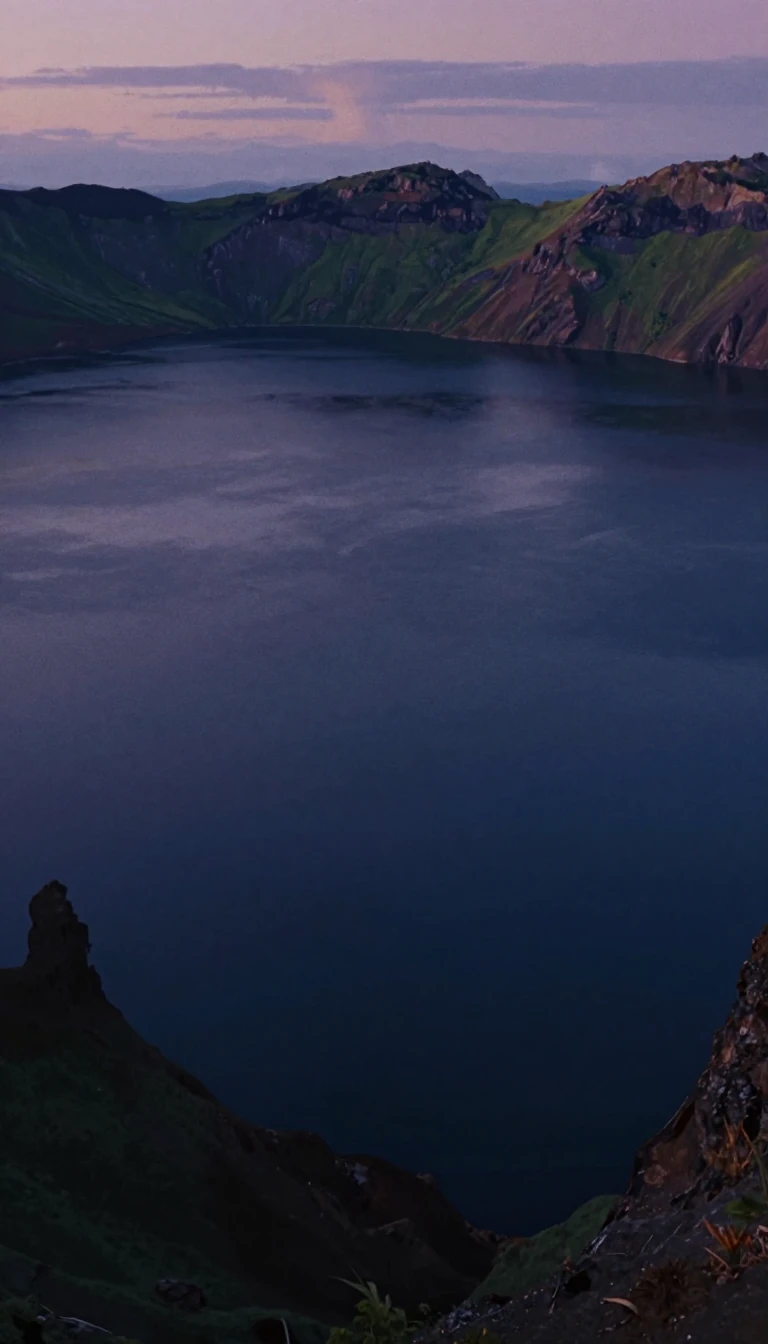
In short: Straddling Austria and Hungary, Lake Neusiedl is a shallow, saline endorheic basin that has completely dried up over 100 times since 18,000 BCE. When the water retreats, the lake bed transforms into agricultural land, only to return years later, reshaping the lives of those living on its shifting shores.
Lake Neusiedl, or Lake Fertő, is a unique steppe lake in Central Europe, covering 315 square kilometers. It is remarkably shallow, with a maximum depth of only 1.8 meters. Its history is defined by extreme instability; stratigraphic evidence indicates the lake has vanished entirely at least 100 times since its formation. These disappearances are well-documented, such as in 1866, when a local resident noted he could cross the lake bed on foot without soiling his boots. During these dry periods, the land was often repurposed for agriculture, with farmers planting wheat and turnips in the former lake bed.
The lake's water levels are highly sensitive to weather, evaporation, and air pressure. While its size has fluctuated naturally for millennia, human intervention in the 19th century and the establishment of the Austro-Hungarian water commission in 1956 have attempted to manage these shifts. Today, the Einserkanal and a sluice near Fertőújlak help regulate water flow, though significant fluctuations remain. In 1965, the lake gained 100 million cubic meters of water in a single month, while a 2003 drought caused a 30-centimeter drop in levels. Climate change simulations suggest the lake remains highly vulnerable to future equilibrium shifts.
Beyond its hydrological volatility, the region is a vital ecological and cultural hub. The surrounding reed belts provide a critical habitat for over 300 bird species, including rare populations of great egrets and great bustards. Human history in the area dates back to the Neolithic period, with the landscape hosting Hallstatt culture settlements and Roman villas. In 2001, the area was inscribed as a UNESCO World Heritage Site, recognizing both its unique biodiversity and the rustic architecture of the surrounding villages. Today, it serves as a popular destination for recreation, often called the 'Sea of the Viennese,' while continuing to challenge local authorities with its unpredictable, ever-changing nature.
Opens the Intellect+ feed with this card first. Swipe up for the next one.
Sources
- Summary by Intellect · source: Lake Neusiedl
- Also: Wikidata — Neusiedl Lake · CC0
To cite this card, link to https://intellectplus.co.uk/app/places-lake-neusiedl.
How we source, check and correct cards: Editorial standards.
General information, not professional advice. Spotted an error? Flag the card or see corrections and complaints.
Intellect Plus is a visual educational discovery platform for exploring fascinating facts and ideas. Brain Food, Not Brain Rot. What is Intellect Plus?
Related
More in World Heritage Sites · More in Countries & Cities · Latest · A–Z · All topics
