Lagash: The Ancient Sumerian Power That Shaped Early Governance and Border Diplomacy
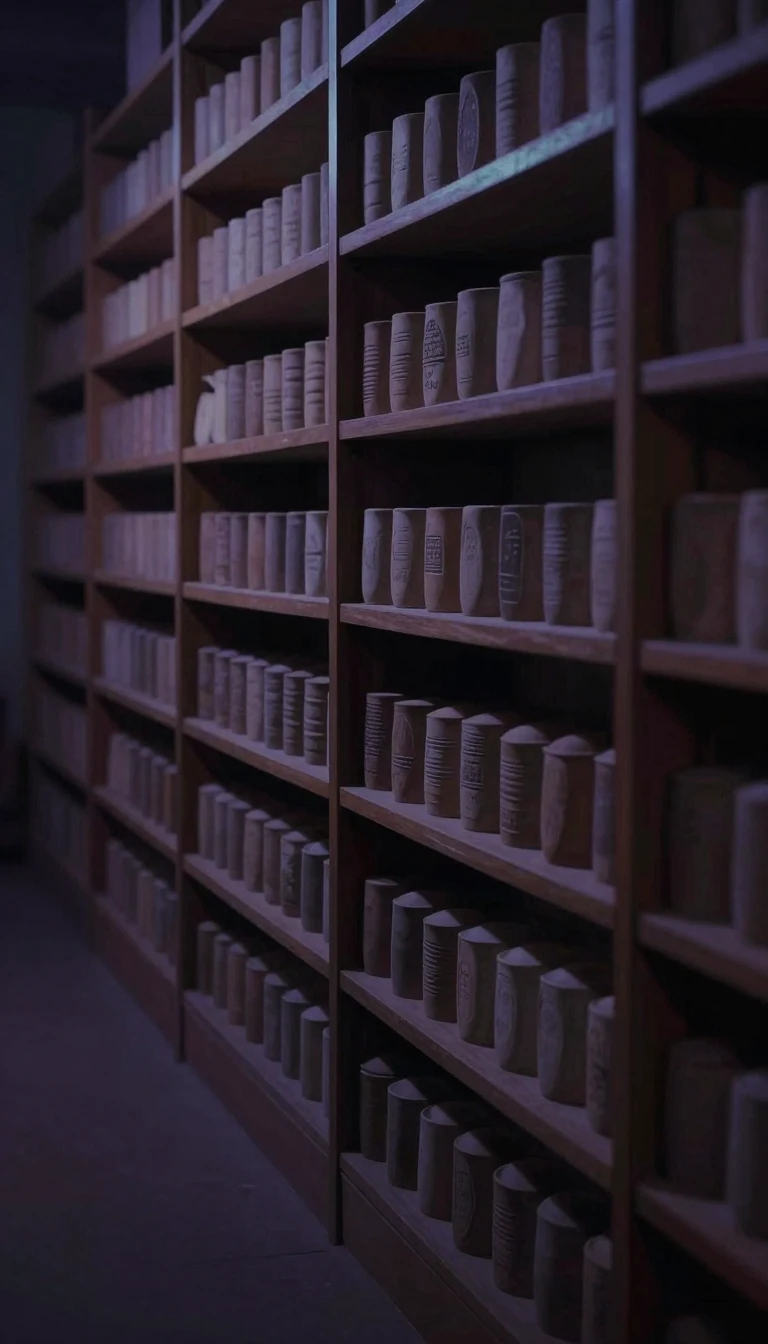
In short: Long before modern nation-states, Lagash stood as a formidable Sumerian powerhouse. It vied for regional dominance for centuries, leaving behind a legacy of complex border disputes, monumental temple construction, and early kingship. Discover how this city-state navigated the volatile landscape of Mesopotamia, influencing the trajectory of early civilization.
Located in southeastern Iraq between the Tigris and Euphrates rivers, Lagash was a central player in the Sumerian world. While the site of Telloh, known anciently as Girsu, served as the state's religious heart, the name Lagash eventually encompassed the entire territory. Settled by non-Semitic Ubaidians around 4500 to 4000 BCE, the region evolved into a sophisticated society that drained marshes, developed complex industries, and established the first city-states. By the 3rd millennium BCE, Lagash was one of at least 12 independent city-states, each defined by a walled urban center and its surrounding lands, all governed by local deities whose temples formed the city's core.
The political landscape was defined by intense rivalry. While power initially rested with citizens, the pressure of competition led to the adoption of kingship. Lagash frequently clashed with neighbors like Kish, Erech, and Umma. A particularly famous conflict involved a long-running border dispute with Umma, which was mediated by the king of Kish, Mesilim, and later enforced by the Lagash ruler Eannatum. Eannatum, a grandson of the builder-king Ur-Nanshe, transformed Lagash into a regional hegemon, claiming victories over Elam, Ur, and Mari. His inscriptions detail the construction of canals, reservoirs, and temples, highlighting a sophisticated approach to infrastructure and territorial control.
Despite its influence, Lagash was not immune to the rise and fall of larger empires. It eventually fell under the control of the Akkadian Empire, led by Sargon, and later the 3rd Dynasty of Ur. While the city-states of Sumer were eventually absorbed by the Amorites after 1900 BCE, their contributions—including cuneiform writing, law codes, and the concept of the city-state—remained foundational to Middle Eastern civilization. Today, the site of Lagash, modern Al-Hiba, remains a critical window into the Early Dynastic period, revealing a history of resilience, technological innovation, and the persistent human struggle for order and dominance.
Opens the Intellect+ feed with this card first. Swipe up for the next one.
Sources
- Summary by Intellect · source: Lagash | Iraq, Map, & Facts | Britannica
- Also: Lagash
To cite this card, link to https://intellectplus.co.uk/app/places-lagash.
How we source, check and correct cards: Editorial standards.
General information, not professional advice. Spotted an error? Flag the card or see corrections and complaints.
Intellect Plus is a visual educational discovery platform for exploring fascinating facts and ideas. Brain Food, Not Brain Rot. What is Intellect Plus?
Related
More in Historical cities, towns and archaeological sites · More in Countries & Cities · Latest · A–Z · All topics
