Why archaeologists call this Lithuanian site the Troy of Lithuania
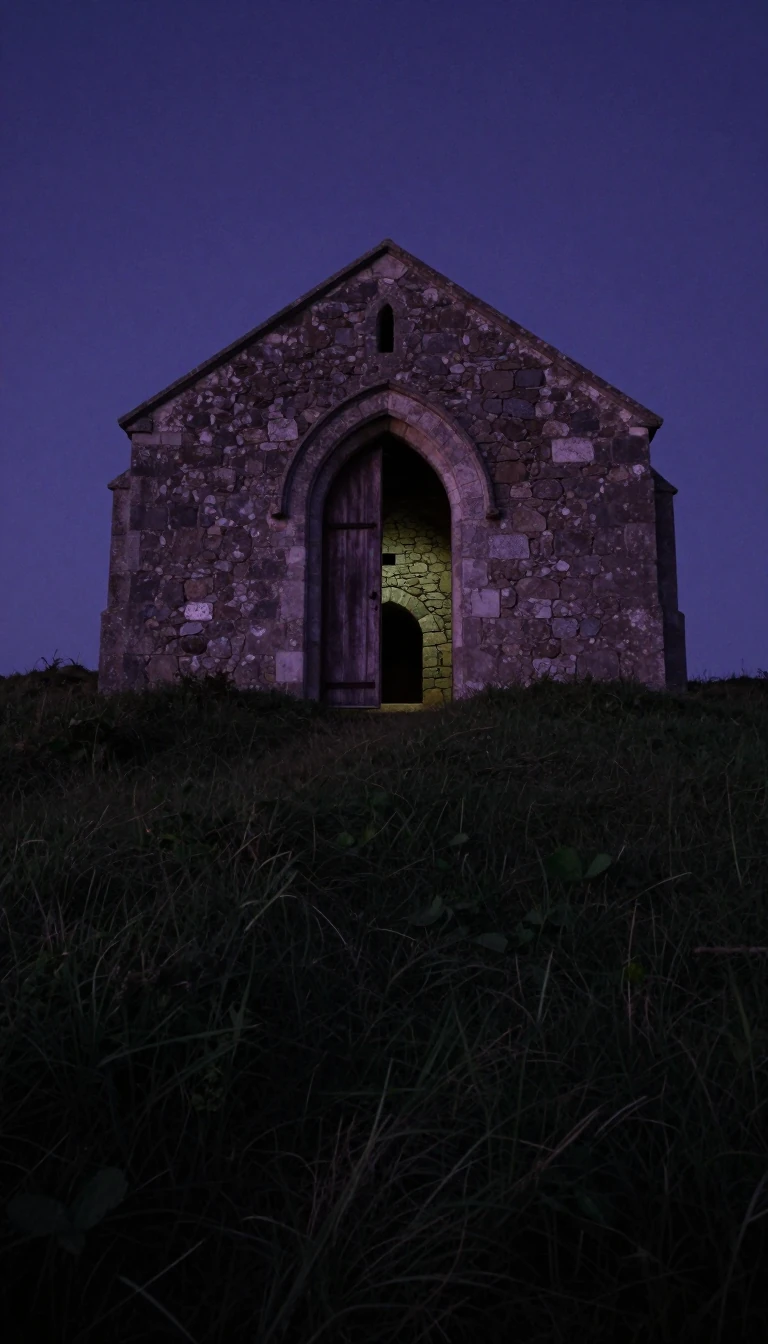
In short: Deep beneath the wet peat of the Neris River valley lies a ten-millennium timeline of human survival. From prehistoric settlements to a medieval capital, the Kernavė archaeological site preserves a continuous history of occupation that was frozen in time by destruction and nature.
The Kernavė archaeological site, located roughly 35 km northwest of Vilnius, offers an extraordinary record of human presence spanning approximately 10,000 years. The area's history began as early as the 9th to 8th millennia B.C., with the population density increasing significantly during the Mesolithic and Neolithic eras. This long-term occupation is visible through various cultural layers, including both pantheistic and Christian burial traditions, as well as a complex ensemble of five impressive hill forts that date back to the 13th century.
During the Middle Ages, Kernavė served as a vital feudal center for merchants and craftsmen. However, its prominence was met with violent disruption. The town was first documented in 1279 when it was besieged by the Teutonic Knights. Later, in 1390, during the Lithuanian Civil War, the knights set fire to the town's buildings and castle in the Pajauta valley. This destruction led the remaining inhabitants to abandon the valley floor and relocate to the hilltop, effectively sealing the original settlement's fate.
This abandonment, combined with natural alluvial processes, created a unique preservation mechanism. An accumulating layer of wet peat covered the ruins, protecting many relics from decay. This has allowed archaeologists to discover remarkable features, such as a 'medgrinda'—a wooden underwater road used for defense between the 4th and 7th centuries. Today, the site is a UNESCO World Heritage property, encompassing 194.4 hectares of historical monuments. While systematic excavations began in 1979, researchers have only explored about 2% of the total Cultural Reserve territory, leaving much of this ancient landscape still waiting to be uncovered.
Opens the Intellect+ feed with this card first. Swipe up for the next one.
Sources
- Summary by Intellect · source: Kernavė Archaeological Site (Cultural Reserve of Kernavė)
- Also: Kernavė
To cite this card, link to https://intellectplus.co.uk/app/places-kernav.
How we source, check and correct cards: Editorial standards.
General information, not professional advice. Spotted an error? Flag the card or see corrections and complaints.
Intellect Plus is a visual educational discovery platform for exploring fascinating facts and ideas. Brain Food, Not Brain Rot. What is Intellect Plus?
Related
More in Historical cities, towns and archaeological sites · More in Countries & Cities · Latest · A–Z · All topics
