The rise and fall of Kerma, the lost capital of ancient Nubia
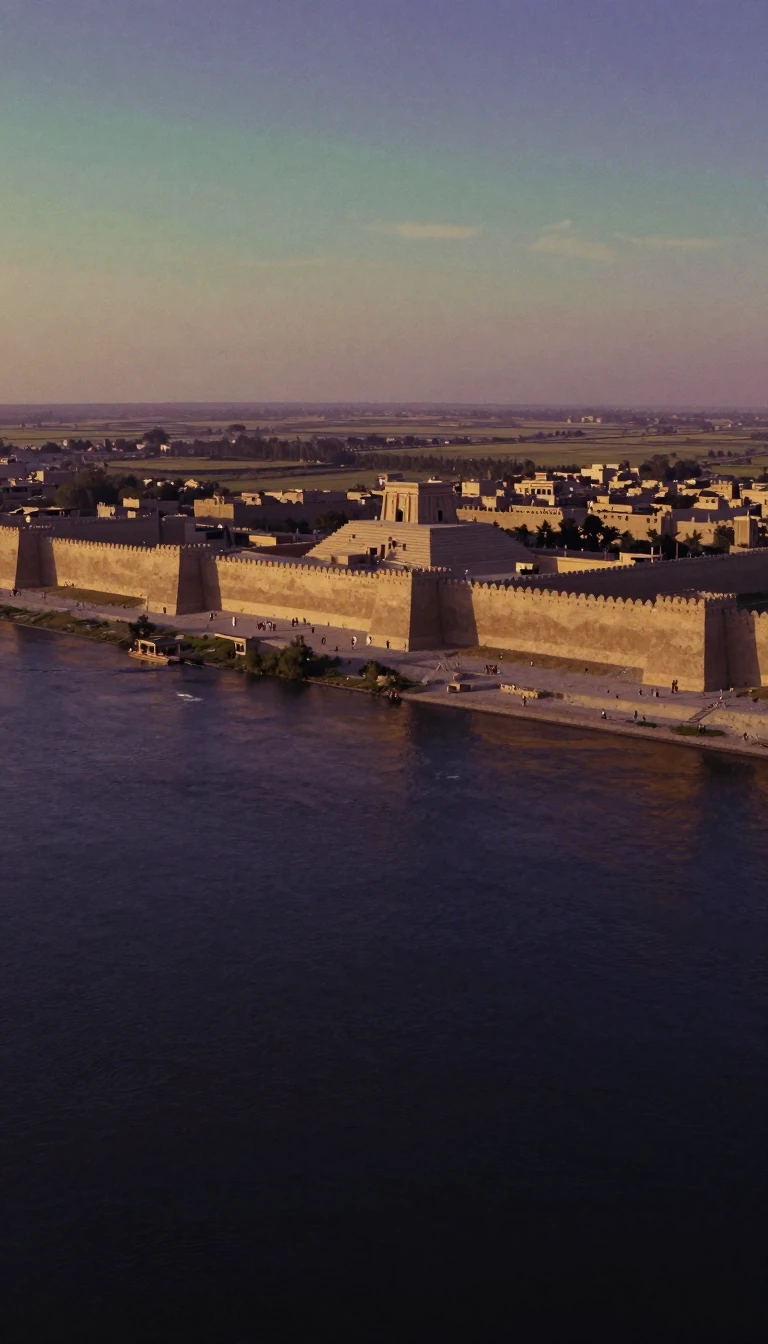
In short: Long before the famous pharaohs, a powerful kingdom flourished in present-day Sudan. Built around massive adobe temples, the city of Kerma was a sophisticated urban center that rose from the banks of the Nile, leaving behind a complex legacy of royal burials and monumental architecture.
The history of Kerma is a saga of human resilience shaped by the rhythms of the Nile. The site was first inhabited by Mesolithic hunter-gatherers around 8350 BC. However, the settlement was not continuous. The archaeological record reveals two significant periods of abandonment, likely driven by the river's volatility. The first hiatus occurred between 5550 BC and 5150 BC, while a second period of vacancy took place between 4050 BC and 3450 BC, potentially caused by diminished flows from the White Nile.
By approximately 3000 BC, a new cultural tradition emerged as agriculture took hold. This evolution eventually culminated in the formation of a sophisticated state society between 2550 BC and 1550 BC. This era saw the development of advanced technologies, including evidence of copper metallurgy appearing between roughly 2200 and 2000 BC. The kingdom's social complexity is further evidenced by the sheer scale of its archaeological remains, which include thousands of graves and tombs.
At the heart of this urban center stood the Western Deffufa, a massive adobe temple constructed after 1750 BC. This structure served as a focal point for the city's residential quarters. While the kingdom's early strength was linked to cattle breeding, the archaeological record indicates a significant decline in this practice around 1750 BC. Today, Kerma remains one of the most significant archaeological sites in ancient Nubia, offering a window into the complex social hierarchies of a once-mighty independent kingdom.
Opens the Intellect+ feed with this card first. Swipe up for the next one.
Sources
To cite this card, link to https://intellectplus.co.uk/app/places-kerma.
How we source, check and correct cards: Editorial standards.
General information, not professional advice. Spotted an error? Flag the card or see corrections and complaints.
Intellect Plus is a visual educational discovery platform for exploring fascinating facts and ideas. Brain Food, Not Brain Rot. What is Intellect Plus?
Related
More in Historical cities, towns and archaeological sites · More in Countries & Cities · Latest · A–Z · All topics
