Lake Nasser transformed the Nile, but the cost of control was remarkably high
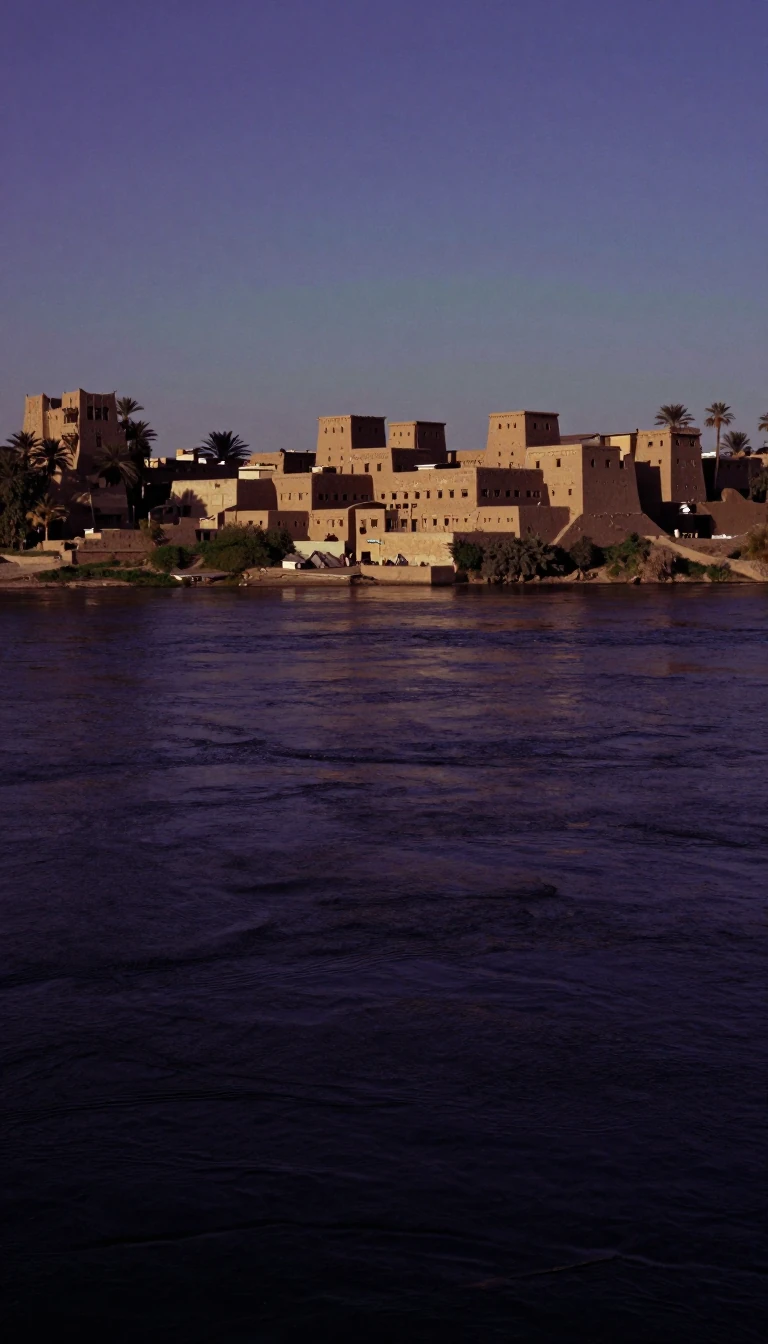
In short: Created by the Aswan High Dam in the 1960s, Lake Nasser brought the unpredictable Nile flood under human control for the first time. While it generates massive hydroelectric power and secures water for millions, this engineering marvel forced the relocation of thousands and permanently altered the river's natural fertility cycle.
The Aswan High Dam, completed in 1970 and dedicated in 1971, stands as a monumental effort to stabilize Egypt's water supply. By impounding the Nile, the dam created Lake Nasser, a massive reservoir stretching 320 km into Egypt and 160 km into Sudan. This project was designed to regulate the annual flood, allowing for year-round irrigation and the generation of 10 billion kilowatt-hours of electricity annually through its 12 turbines. The reservoir serves as a vital economic engine, supporting a robust fishing industry and providing a reliable water source that increased Egypt's arable land by approximately 30 percent.
However, the creation of this reservoir came with profound human and environmental consequences. The rising waters necessitated the displacement of 90,000 people, including Egyptian fellahin and Sudanese Nubian nomads. Furthermore, the reservoir threatened to submerge priceless archaeological treasures, most notably the Temple of Ramses II at Abu Simbel. An international effort was required to dismantle and relocate these ancient monuments to higher ground, though other sites, such as the fortress of Buhen, were lost to the depths forever.
Ecologically, the dam fundamentally disrupted the Nile's natural rhythm. For millennia, the river’s annual flood deposited nutrient-rich silt onto farmlands, maintaining soil fertility. Today, that silt is trapped behind the dam. Farmers now rely on roughly 1 million tons of artificial fertilizers annually to compensate for the loss of 40 million tons of natural silt. While the dam provides essential stability for Egypt's economy and agriculture, it serves as a stark reminder of the trade-offs inherent in large-scale environmental engineering, where the pursuit of modern utility often requires the sacrifice of ancient landscapes and natural processes.
Opens the Intellect+ feed with this card first. Swipe up for the next one.
Sources
- Summary by Intellect · source: Lake Nasser | Nubian, Aswan, Egypt, Map | Britannica
- Also: Lake Nasser
To cite this card, link to https://intellectplus.co.uk/app/places-lake-nasser.
How we source, check and correct cards: Editorial standards.
General information, not professional advice. Spotted an error? Flag the card or see corrections and complaints.
Intellect Plus is a visual educational discovery platform for exploring fascinating facts and ideas. Brain Food, Not Brain Rot. What is Intellect Plus?
Related
More in Bodies of water · More in Countries & Cities · Latest · A–Z · All topics
