Is Japan's clearest lake a cursed body of water hidden by perpetual fog?
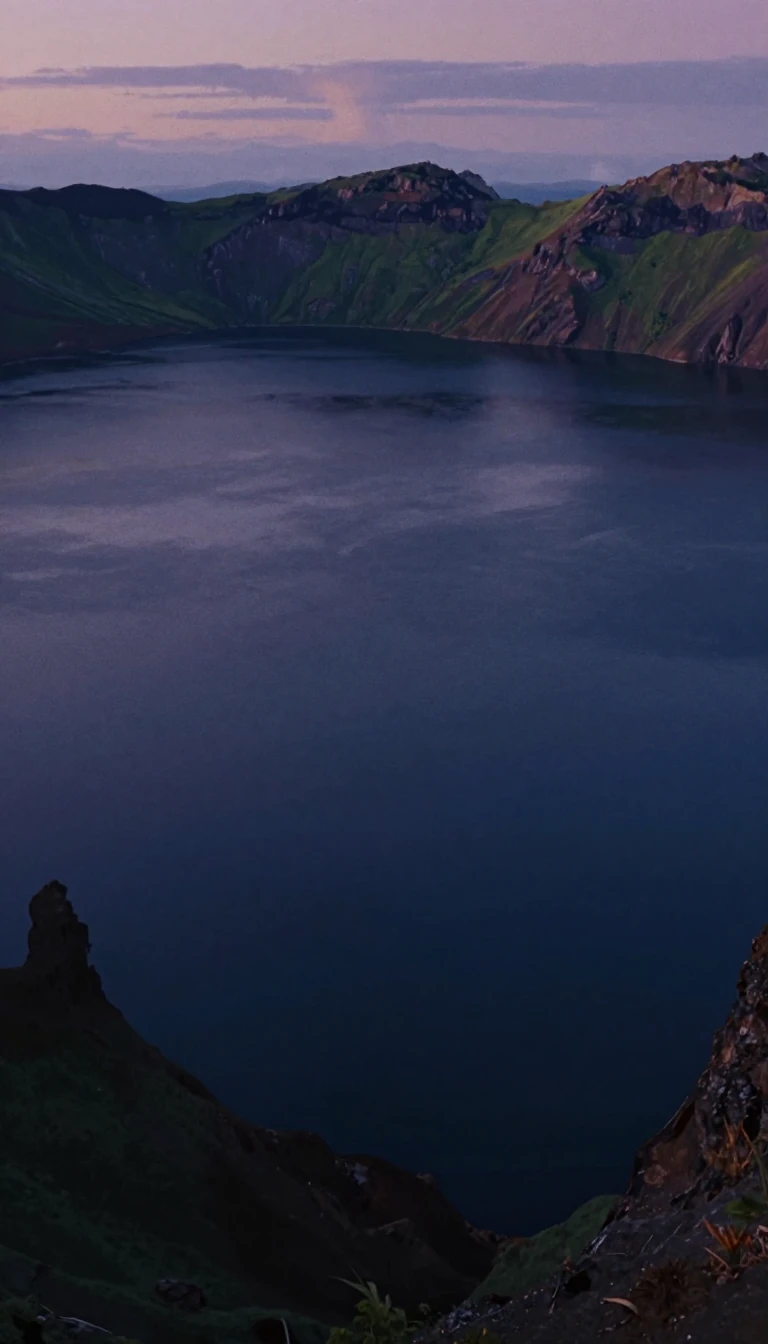
In short: Lake Mashū in Hokkaido is a crater lake so transparent it once rivaled Lake Baikal. Yet, it remains shrouded in mystery, obscured by fog for nearly a third of the year. Local legend warns that catching a glimpse of its surface brings bad luck, keeping its shores strictly off-limits to visitors.
Formed less than 32,000 years ago, Lake Mashū is an endorheic crater lake nestled within the caldera of a potentially active volcano. Its geological history is violent; the current caldera was shaped by a massive eruption approximately 7,000 years ago, followed by a final plinian eruption 2,000 years ago that blanketed the region in pumice. The volcano itself carries a Volcanic Explosivity Index rating of 6, placing it among the most significant volcanic structures in Japan. Today, two distinct volcanoes, Kamuishu Island and Mount Kamui, rise from within the caldera, while the surrounding landscape is dominated by evergreen and birch forests.
The lake is world-renowned for its extreme transparency. In 1931, measurements recorded a clarity of 41.6 metres, a figure that briefly surpassed the 40.5 metres measured at Lake Baikal during the same period. However, this pristine quality has declined since the 1950s, with transparency now typically ranging between 20 and 30 metres. Scientists attribute this shift to natural landslides and the human-led introduction of non-native species, specifically sockeye salmon and rainbow trout. Despite these changes, the lake remains isolated; there are no significant inlets or outlets, and the Ministry of the Environment prohibits all access to the shoreline, restricting visitors to designated observation towers.
Beyond its physical properties, the lake is steeped in cultural and linguistic complexity. Its Ainu name, Kamuy-to, translates to lake of the mountain god, reflecting its sacred status. The Japanese name, Mashū, likely evolved from an Ainu term for a lake of gulls, though it was later conflated with the neighboring peak, Mount Mashū, or Kamuinupuri. This sense of mystery is amplified by the persistent fog that blankets the area for about 100 days annually. Whether the legend of bad luck is a deterrent to protect the ecosystem or a genuine cultural belief, the lake remains a secluded, enigmatic landmark in the heart of Akan Mashu National Park.
Opens the Intellect+ feed with this card first. Swipe up for the next one.
Sources
- Summary by Intellect · source: Lake Mashū
- Also: Wikidata — Lake Mashū · CC0
To cite this card, link to https://intellectplus.co.uk/app/places-lake-mash.
How we source, check and correct cards: Editorial standards.
General information, not professional advice. Spotted an error? Flag the card or see corrections and complaints.
Intellect Plus is a visual educational discovery platform for exploring fascinating facts and ideas. Brain Food, Not Brain Rot. What is Intellect Plus?
Related
More in Bodies of water · More in Countries & Cities · Latest · A–Z · All topics
