How volcanic stone walls created a world-renowned wine industry on a remote island
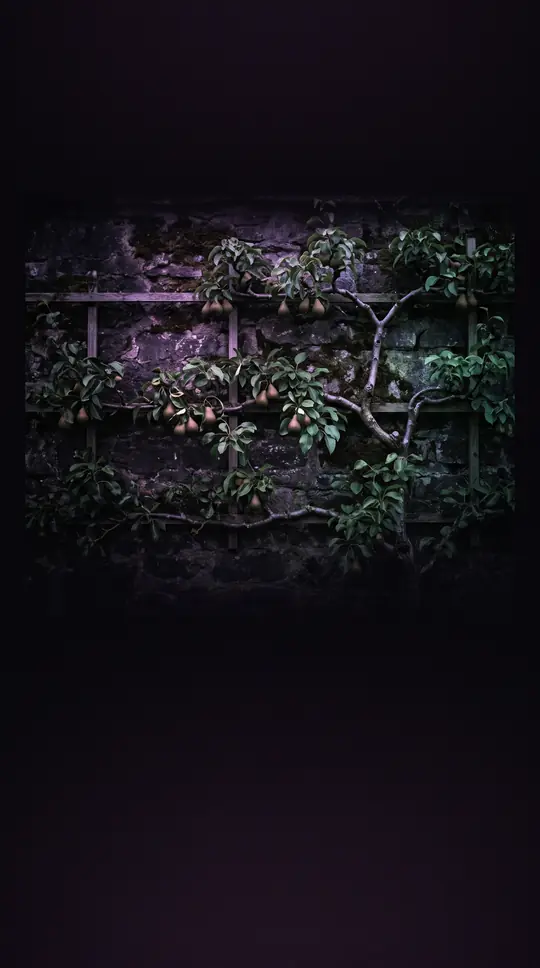
In short: On the rugged slopes of an Azorean island, farmers spent five centuries building a massive labyrinth of black basalt. These stone barriers protect delicate grapevines from harsh Atlantic winds and salt spray. This unique agricultural feat, now a UNESCO World Heritage site, transformed a volcanic wasteland into a thriving vineyard.
The vineyard landscape on Pico Island in the Azores represents a remarkable human adaptation to a hostile environment. Since the late 1400s, settlers from Portugal, including members of the Franciscan and Carmelite orders, began cultivating vines within the island's jagged volcanic terrain. To succeed, they developed a sophisticated system of rectangular enclosures known as currais. These small plots are surrounded by long, parallel walls of black basalt stone that stretch from the coastline toward the island's interior, specifically shielding the plants from damaging sea spray and high winds.
This architectural network extends across approximately 987 hectares, with an additional buffer zone of 1,924 hectares primarily located in the municipalities of Madalena and São Roque do Pico. Beyond the walls themselves, the site includes a functional infrastructure of wine cellars, manor houses, churches, and specialized ports. By the 1800s, the region had achieved international fame for its wine, particularly the Verdelho variety. The site was officially recognized by UNESCO in 2004 for its exceptional preservation and the continued use of traditional viticulture methods.
The enduring nature of this landscape is a testament to the labor of generations who managed the land through consistent techniques and systems. Today, the area remains an authentic example of human ingenuity in the face of natural limitations. Visitors can learn more about the history and cultural significance of these vineyards at the dedicated interpretation center situated in the village of Lajido de Santa Luzia, which serves as a hub for understanding how this remote volcanic outpost became a cornerstone of regional wine production.
Opens the Intellect+ feed with this card first. Swipe up for the next one.
Sources
- Summary by Intellect · source: Landscape of the Pico Island Vineyard Culture
- Also: Wikidata — Landscape of the Pico Island Vineyard Culture – part II · CC0
To cite this card, link to https://intellectplus.co.uk/app/places-landscape-of-the-pico-island-vineyard-culture.
How we source, check and correct cards: Editorial standards.
General information, not professional advice. Spotted an error? Flag the card or see corrections and complaints.
Intellect Plus is a visual educational discovery platform for exploring fascinating facts and ideas. Brain Food, Not Brain Rot. What is Intellect Plus?
Related
More in World Heritage Sites · More in Countries & Cities · Latest · A–Z · All topics
