Why the Libyan Desert remained a blank space on maps until the twentieth century.
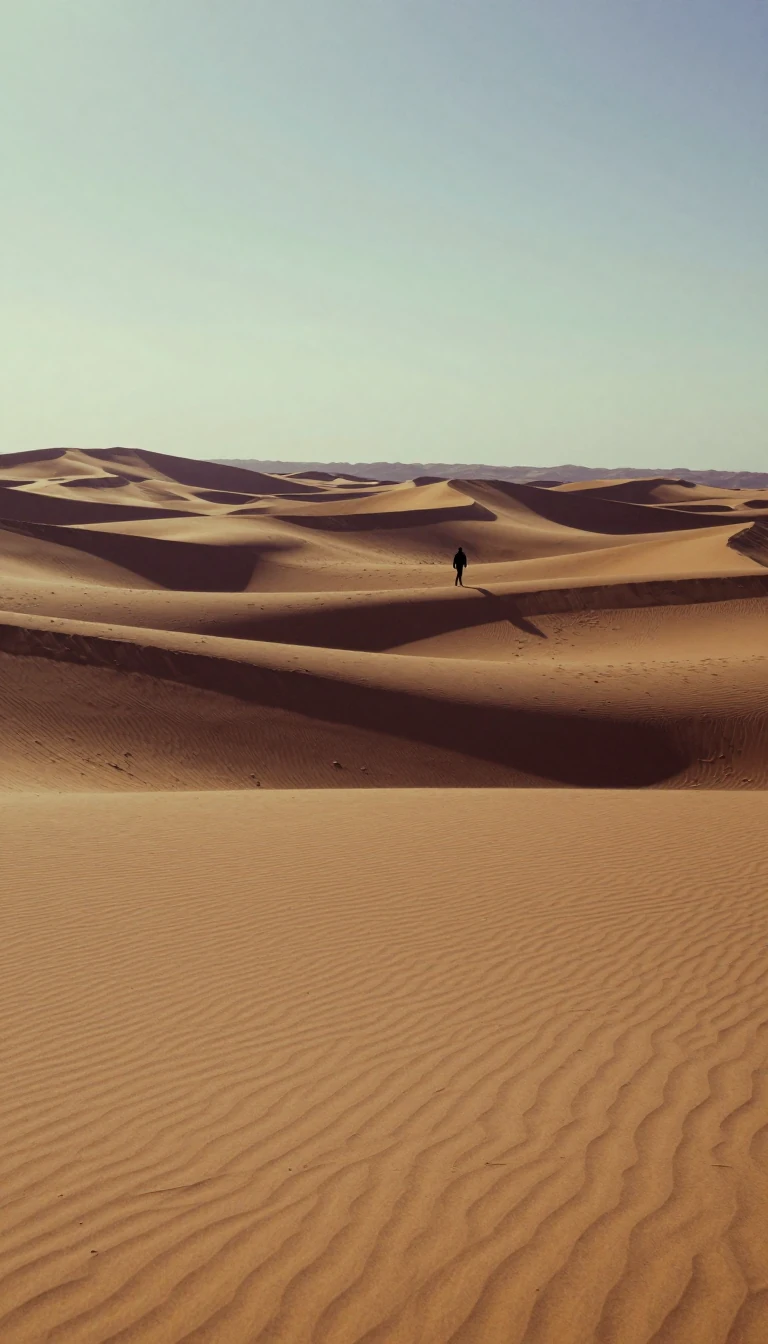
In short: Spanning 1.3 million square kilometers, the Libyan Desert is one of Earth's most inhospitable regions. Its extreme aridity and lack of waterholes historically made camel travel impossible, effectively isolating the area from trade routes. It was only with the arrival of the motor car that this vast landscape was finally mapped.
Covering parts of Libya, Egypt, and Sudan, this northeastern section of the Sahara is defined by its brutal climate and lack of resources. Summer daytime temperatures frequently exceed 50 degrees Celsius, while winter nights can plummet to negative nine degrees Celsius, a phenomenon known as White Nights. Because it lacks the water sources necessary to support traditional caravans, the region remained largely obscured from European explorers for centuries.
The landscape is a complex mix of sand seas, stony hamada, and volcanic shields like the Black Desert. Some dunes reach heights of 512 meters, while the Gilf Kebir plateau rises over 1,000 meters above the surrounding plains. Geological oddities, such as the meteorite-linked Libyan desert glass—once used in Tutankhamun's jewelry—and the circular Arkenu structures, highlight the region's violent, ancient history. These features were only fully documented after explorers like Ralph Bagnold and László Almásy began using vehicles to traverse the terrain in the 1930s.
The region's history is also marked by conflict. During the Second World War, the desert became a strategic theater for the Western Desert Campaign, with battles occurring at sites like Kufra and Murzuk. Today, the area remains sparsely populated, home to only a few indigenous groups and specialized fauna like the Fennec fox and various reptiles that have adapted to the extreme heat. While the name 'Libyan Desert' was once used broadly by ancient Greeks to describe North Africa, it now specifically refers to this arid expanse, distinct from the more populated regions of the modern nation of Libya.
Opens the Intellect+ feed with this card first. Swipe up for the next one.
Sources
- Summary by Intellect · source: Libyan Desert
- Also: Libyan desert glass
- Also: Wikidata — Libyan Desert · CC0
To cite this card, link to https://intellectplus.co.uk/app/places-libyan-desert.
How we source, check and correct cards: Editorial standards.
General information, not professional advice. Spotted an error? Flag the card or see corrections and complaints.
Intellect Plus is a visual educational discovery platform for exploring fascinating facts and ideas. Brain Food, Not Brain Rot. What is Intellect Plus?
Related
More in Vegetation features · More in Countries & Cities · Latest · A–Z · All topics
