Lisbon Airport is a historic aviation hub literally built into the city's urban fabric.
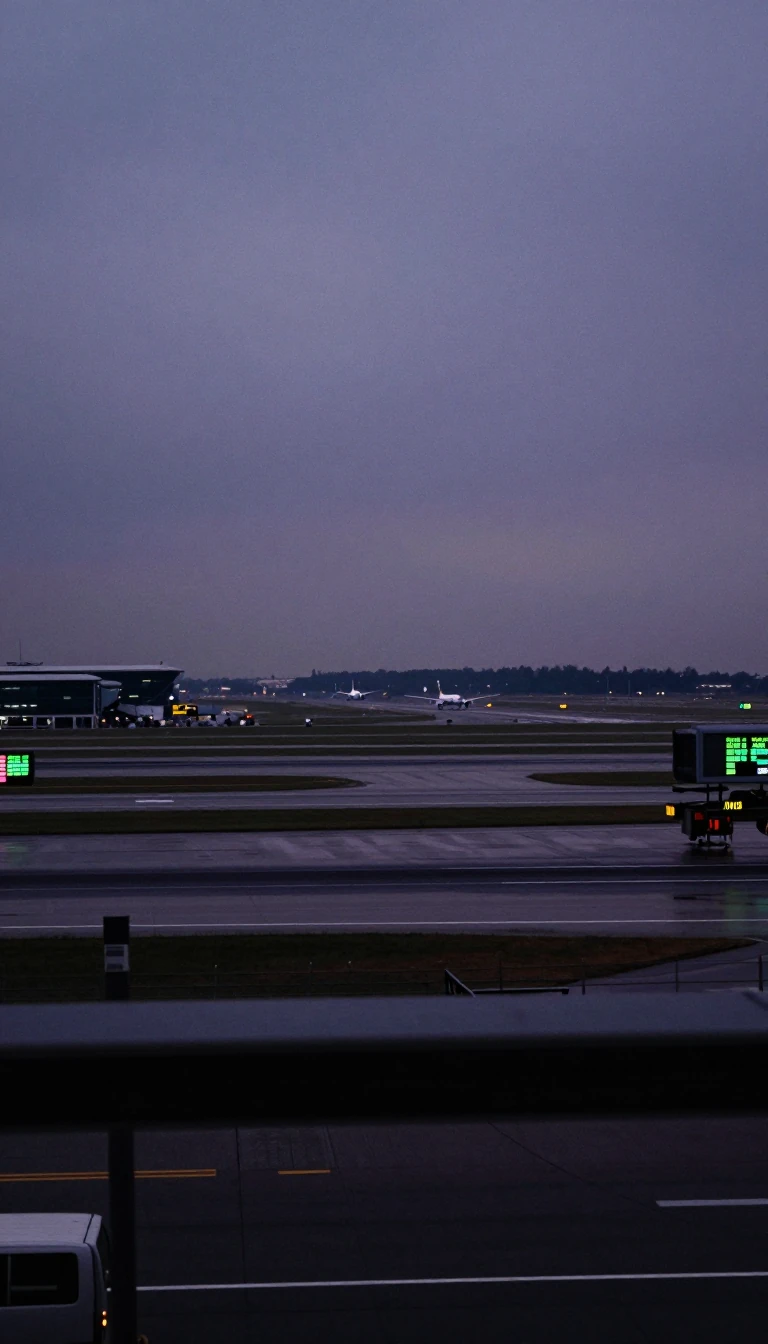
In short: Opened during World War II, Lisbon Airport serves as a rare major international gateway with an approach path directly over the capital. While it remains a vital hub for transatlantic travel, its unique location creates significant noise and health challenges for the hundreds of thousands of residents living nearby.
Inaugurated on 15 October 1942, the airport—originally known as Portela—played a complex role during World War II. As a neutral facility, it became a clandestine hub for spies and refugees moving between Axis and Allied territories, famously serving as the backdrop for the film Casablanca. Over the decades, it evolved from a small terminal into a major international gateway, with significant infrastructure upgrades in the 1960s allowing for the arrival of jet aircraft like the Boeing 707. By 2016, it was renamed Humberto Delgado Airport to honor the Portuguese air force general and opposition figure who also helped found the national carrier, TAP Air Portugal.
Today, the airport is a victim of its own success. Located just seven kilometers from the city center, it is one of the most congested in Europe. Its proximity to the urban population is unmatched; over 414,000 people reside within a five-kilometer radius. This density has sparked long-standing concerns regarding noise pollution and public health, with studies suggesting increased risks for conditions like dementia and hypertension among those living under the flight paths. Despite these issues, the airport remains a critical economic engine, handling over 36 million passengers and 200,000 tonnes of cargo annually.
The future of Lisbon's aviation infrastructure has been a subject of debate since the mid-1960s, when it was first recognized that the Portela site had limited expansion potential. After decades of shifting plans—including a proposed site at Ota and a confirmed, then shelved, project at Alcochete—the government has settled on a long-term strategy. While current efforts focus on expanding Terminal 1 to accommodate up to 50 million passengers by 2027, the ultimate plan is to shutter the current airport entirely. A new facility at the Alcochete military firing range is expected to be fully operational by 2034, finally moving the city's primary aviation hub away from its dense residential heart.
Opens the Intellect+ feed with this card first. Swipe up for the next one.
Sources
- Summary by Intellect · source: Lisbon Airport
- Also: Wikidata — Lisbon Airport Hostel · CC0
To cite this card, link to https://intellectplus.co.uk/app/places-lisbon-airport.
How we source, check and correct cards: Editorial standards.
General information, not professional advice. Spotted an error? Flag the card or see corrections and complaints.
Intellect Plus is a visual educational discovery platform for exploring fascinating facts and ideas. Brain Food, Not Brain Rot. What is Intellect Plus?
Related
More in Cities · More in Countries & Cities · Latest · A–Z · All topics
