Why some Korean cities with over a million people aren't 'metropolitan'
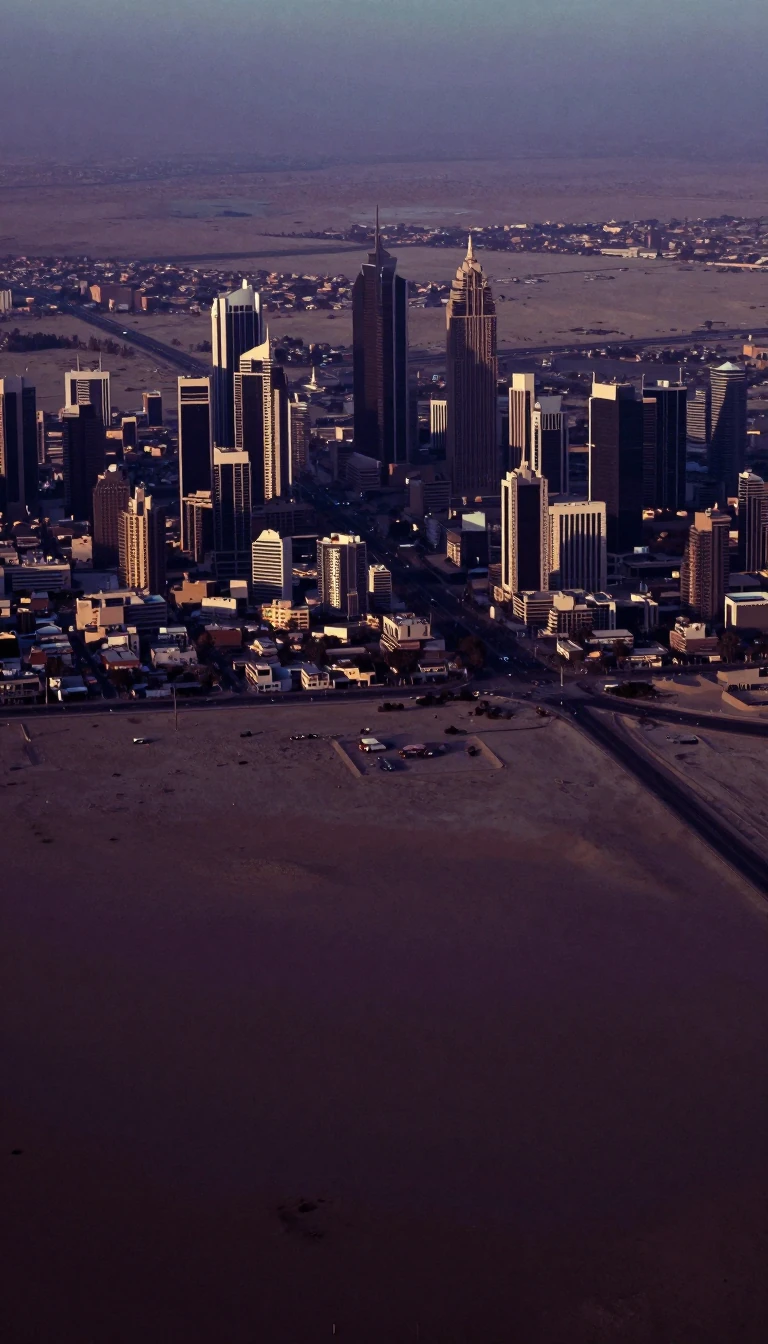
In short: In South Korea, city status is a complex dance of population, geography, and legislative power. While a million residents might seem like a clear threshold for metropolitan status, four major cities currently defy this trend, highlighting a system where legal designation often outweighs raw numbers.
South Korea's urban hierarchy is defined by the Local Autonomy Act, which distinguishes between several tiers of municipal authority. At the top is Seoul, a 'special city' (teukbyeolsi) with autonomous status equivalent to a province. Following it are six 'metropolitan cities' (gwangyeoksi). Smaller cities, classified as 'si', fall under provincial jurisdiction, similar to counties. To qualify as a city, an area must generally be predominantly urbanized with at least 50,000 residents, though specific legislation can create exceptions, such as the designation of Gyeryong.
The transition to 'big city' status occurs when a city exceeds 500,000 inhabitants and receives a national government order. These cities gain the power to subdivide into non-autonomous districts (gu), though some, like Bucheon or Hwaseong, choose not to. A further distinction exists for 'special-status cities,' which are a subclass of big cities with populations exceeding 1,500,000. Interestingly, while promotion to metropolitan status usually happens near the 1,000,000 mark, Suwon, Changwon, Goyang, and Yongin all exceed this population without holding that specific designation.
A unique legal quirk exists for Jeju City. Despite an estimated population of over 500,000 as of 2022, it cannot be designated a 'big city' because it is an 'administrative city.' This status was created to grant Jeju Province special self-governing status, which explicitly excludes the Local Autonomy Act from applying to administrative cities. Consequently, Jeju City lacks the special autonomy enjoyed by other large cities, possessing only the same legal powers as the much smaller Seogwipo.
Opens the Intellect+ feed with this card first. Swipe up for the next one.
Sources
- Summary by Intellect · source: List of cities in South Korea
- Also: Wikidata — list of cities in South Korea · CC0
- Also: Wikidata — list of cities in South Korea by population · CC0
To cite this card, link to https://intellectplus.co.uk/app/places-list-of-cities-in-south-korea.
How we source, check and correct cards: Editorial standards.
General information, not professional advice. Spotted an error? Flag the card or see corrections and complaints.
Intellect Plus is a visual educational discovery platform for exploring fascinating facts and ideas. Brain Food, Not Brain Rot. What is Intellect Plus?
Related
More in Cities · More in Countries & Cities · Latest · A–Z · All topics
