The Soviet Union's most powerful office was never actually a presidency
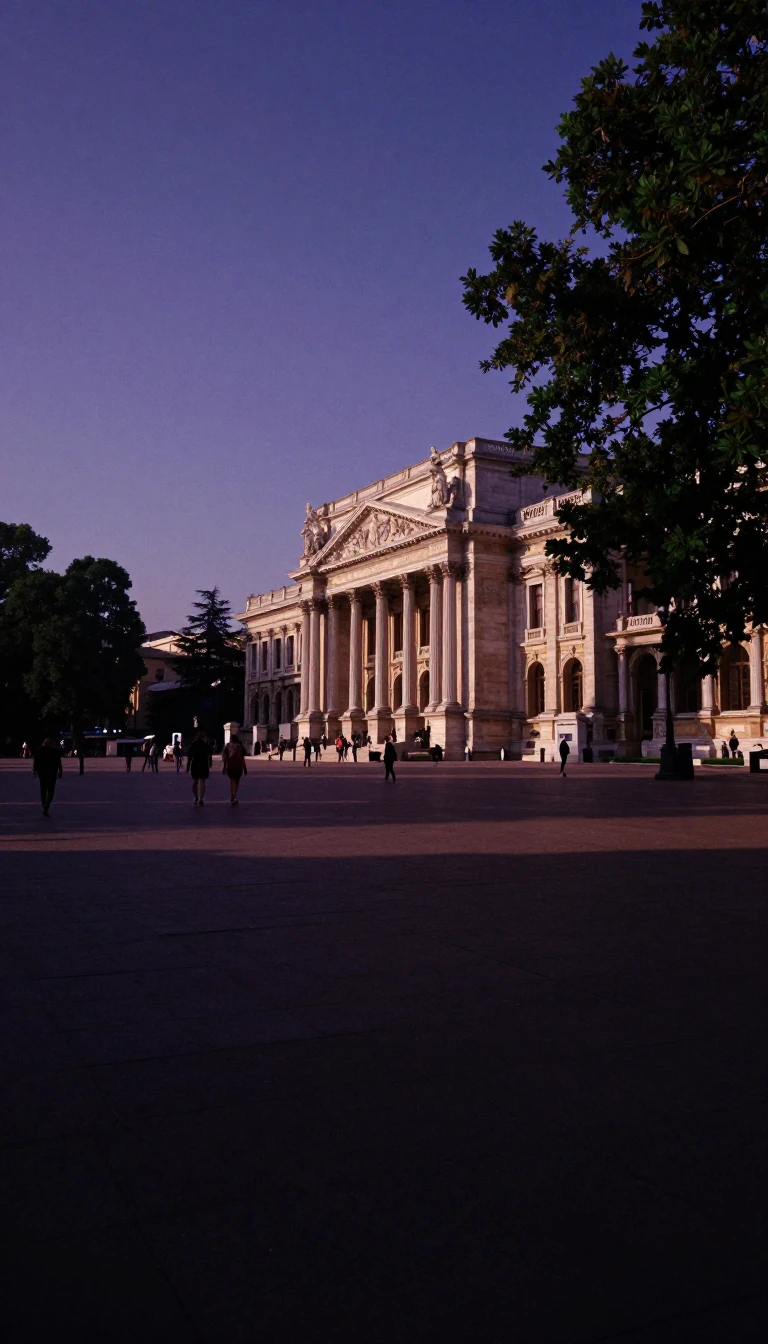
In short: For decades, the USSR functioned without a singular executive leader in the way modern nations do. Instead of a president wielding ultimate authority, power resided in collective bodies and party structures, leaving the official head of state as a largely ceremonial figurehead until the final years.
From 1922 until 1990, the Soviet Union did not have a presidency. Instead, the Constitution recognized collective bodies—the Central Executive Committee (CEC) and later the Presidium of the Supreme Soviet—as the highest organs of state authority. While these bodies were technically the heads of state, their chairmen performed mostly ceremonial duties. Actually, the CPSU's General Secretary received substantial governing authority, a transition that became firm throughout Stalin's leadership. The CEC was established based on a 1918 constitution of the Russian SFSR. It initially held supreme power between sessions of the Congress of Soviets.
The legal framework evolved through several constitutions in 1924, 1936, and 1977. Under these rules, the Supreme Soviet held legislative authority, but its Presidium managed the day-to-day affairs. The Chairman of the Presidium was elected by deputies to oversee functions like convening sessions or forming conciliation commissions between different soviets. Despite this formal structure, the office lacked influence over policy because the true levers of power remained within the party apparatus. In 1938, several amendments replaced the CEC with the Presidium. The Chairman and fifteen vice chairmen were elected by deputies to hold these roles.
The presidency only emerged in 1990 as a result of constitutional alterations. Mikhail Gorbachev became the first and only Soviet President, elected by the Congress of People's Deputies rather than by direct popular ballot. This new office eclipsed both the Premier and the General Secretary in status, sharing executive power with a Prime Minister who managed economic matters and the nomenklatura. The transition marked a final shift from collective party-led governance to an individualistic executive model before the Union's dissolution. To qualify for this office, a person had to be between thirty-five and sixty-five years old. No individual was permitted to serve more than two terms.
Opens the Intellect+ feed with this card first. Swipe up for the next one.
Sources
- Summary by Intellect · source: List of heads of state of the Soviet Union
To cite this card, link to https://intellectplus.co.uk/app/places-list-of-heads-of-state-of-the-soviet-union.
How we source, check and correct cards: Editorial standards.
General information, not professional advice. Spotted an error? Flag the card or see corrections and complaints.
Intellect Plus is a visual educational discovery platform for exploring fascinating facts and ideas. Brain Food, Not Brain Rot. What is Intellect Plus?
Related
More in Cities · More in Countries & Cities · Latest · A–Z · All topics
