How melting glaciers in Chile revealed a hidden graveyard of ancient marine reptiles
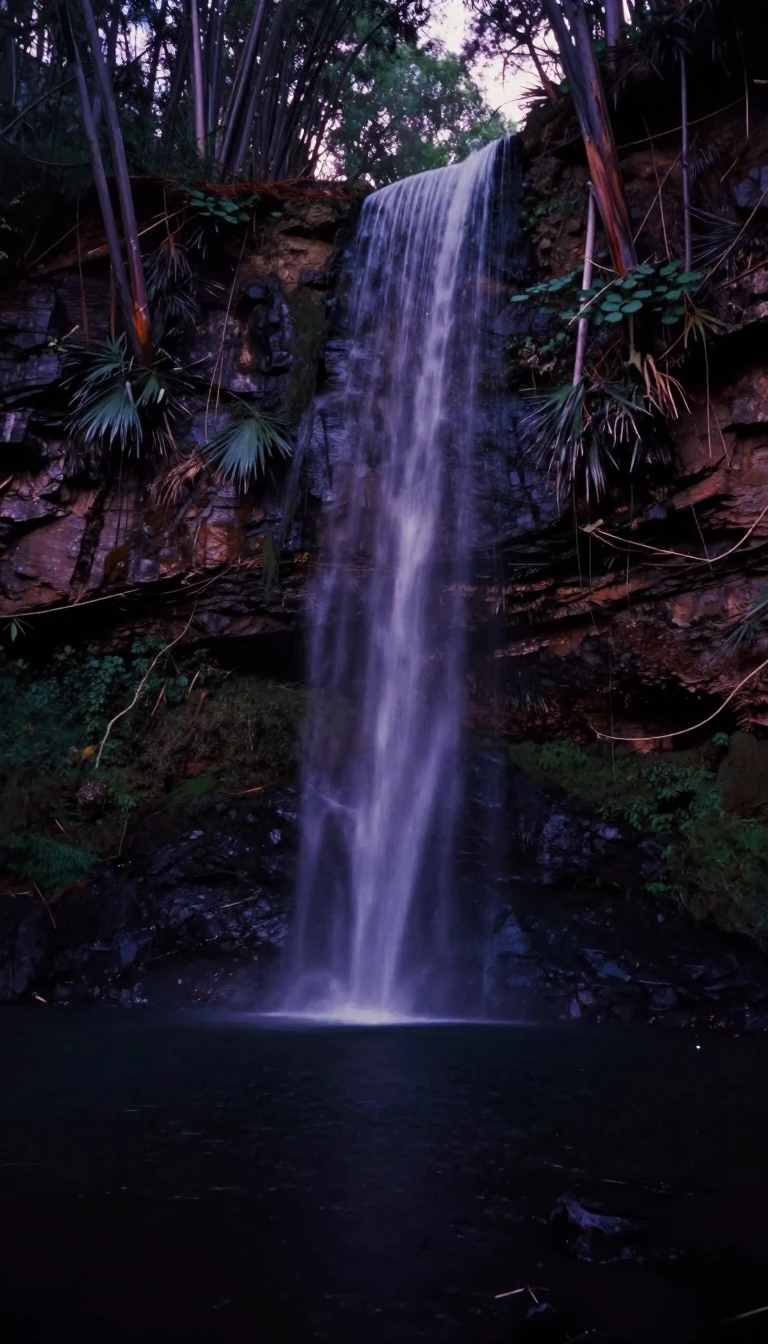
In short: Torres del Paine National Park is famous for its granite spires and Patagonian winds, but its most startling discovery lies beneath the ice. In 2014, scientists uncovered nearly complete skeletons of dolphin-like ichthyosaurs that swam these waters millions of years ago, exposed only after retreating glaciers revealed new rock faces.
Located in southern Chilean Patagonia, Torres del Paine National Park is a landscape defined by dramatic geological contrasts. Its centerpiece, the Paine Massif, features granite peaks that rise 2,500 meters above sea level, sculpted by glacial erosion over tens of thousands of years. The park sits at a transition point between Magellanic subpolar forests and the Patagonian Steppe, creating a complex environment where rivers, lakes, and glaciers from the Southern Patagonia Ice Field converge. In 2022, the International Union of Geological Sciences recognized the park's Miocene-aged laccolith as one of the world's 100 most significant geological heritage sites.
The park's history is as volatile as its climate. While paleoenvironmental studies suggest wildfires have occurred here for at least 12,800 years, modern human activity has caused significant damage. Major fires in 1985, 2005, and 2011 destroyed vast swaths of native forest, leading to international reforestation efforts. Today, the park manages its 252,000 annual visitors through strict regulations, including mandatory campsite bookings and a total ban on wood fires, to protect the fragile ecosystem that supports species like the endangered Chilean Huemul and the guanaco.
Beyond its modern ecology, the park serves as a vital laboratory for understanding Earth's past. The discovery of 46 ichthyosaur specimens, dating from 245 to 90 million years ago, provides a window into a time when this region was a marine environment. Similarly, researchers study the park's glaciers and precipitation to reconstruct post-glacial epochs. From the Great Tehuelche Paleolake that vanished 7,113 years ago to the current recession of the Grey Glacier, the park remains a dynamic site where the forces of geology and climate continue to reshape the landscape in real-time.
Opens the Intellect+ feed with this card first. Swipe up for the next one.
Sources
- Summary by Intellect · source: Torres del Paine National Park
To cite this card, link to https://intellectplus.co.uk/app/places-torres-del-paine-national-park.
How we source, check and correct cards: Editorial standards.
General information, not professional advice. Spotted an error? Flag the card or see corrections and complaints.
Intellect Plus is a visual educational discovery platform for exploring fascinating facts and ideas. Brain Food, Not Brain Rot. What is Intellect Plus?
Related
More in Geology · More in Science · Latest · A–Z · All topics
