The Lut Desert is home to the highest land surface temperatures ever recorded on Earth.
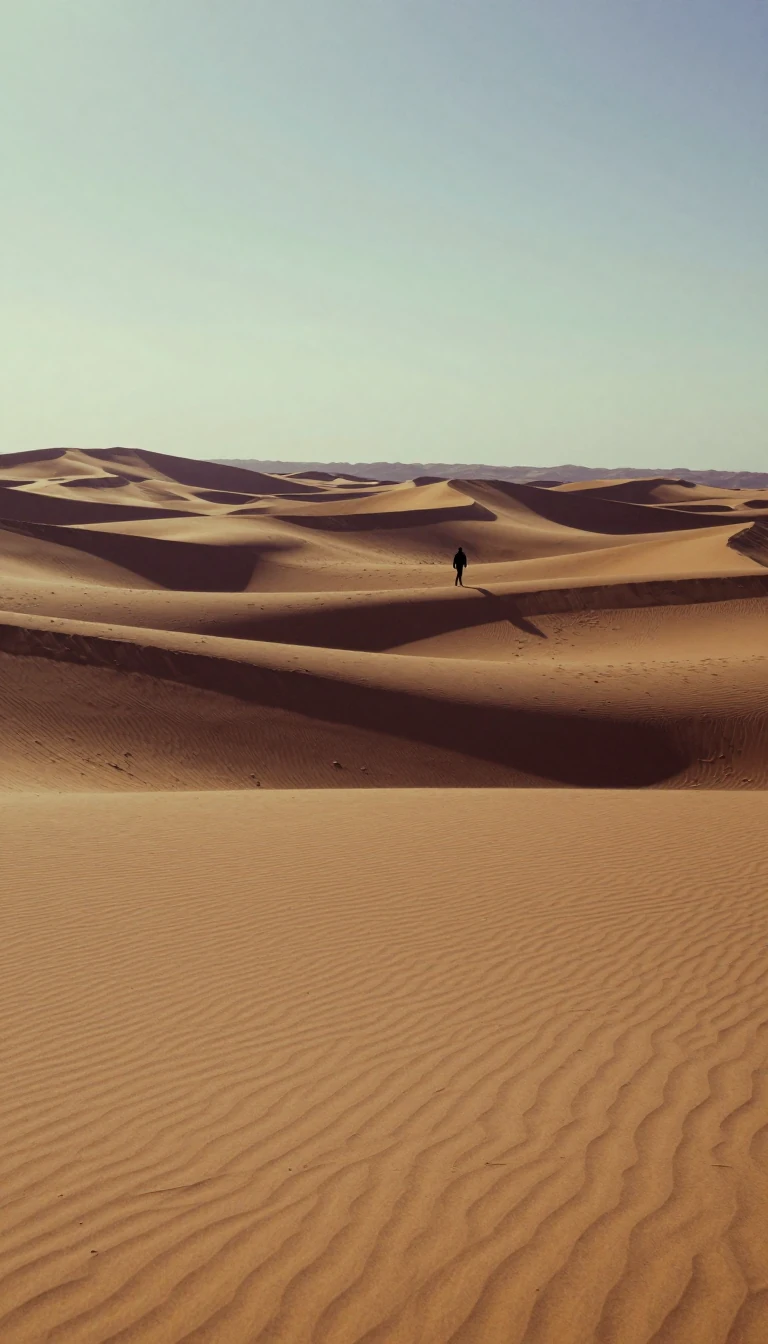
In short: Spanning over 50,000 square kilometres in Iran, the Lut Desert is a landscape of extremes. From towering 300-metre dunes to vast salt flats, this UNESCO World Heritage site holds the record for the hottest land surface temperature ever measured, reaching a blistering 80.83 degrees Celsius in 2019.
Known in Persian as the Plain of Emptiness, the Lut Desert is a massive drainage basin situated between the provinces of Kerman and Sistan-Baluchestan. It forms part of the Afro-Asian desert belt that stretches from Mauritania to Mongolia. Geographically, the desert is defined by its diversity: the eastern region is a low-lying salt plateau, while the central area features wind-sculpted ridges and furrows that extend for 150 kilometres and rise up to 75 metres high. The southeast is dominated by an expansive sand sea, containing some of the world's tallest dunes.
The desert's extreme heat is its most defining characteristic. Between 2003 and 2010, NASA's Aqua satellite recorded surface temperatures reaching 70.7 degrees Celsius. By 2019, updated satellite data indicated an even higher peak of 80.83 degrees Celsius. While these surface readings are record-breaking, the actual air temperature remains difficult to verify precisely, as there are no permanent weather stations within the desert. Estimates based on nearby stations suggest the region receives less than 30 millimetres of annual precipitation.
Beyond its harsh climate, the Lut Desert is a site of significant archaeological interest. Evidence suggests that a flourishing civilization, the Jiroft culture, inhabited the area around 2500 BC. Archaeological surveys have identified 87 ancient sites along the western fringes and the Kerman range, including the ancient city of Shahdad and the 200-hectare site known as Shahr-e Sukhteh. These findings span from the fifth millennium BC through the late Islamic era, revealing that this seemingly empty plain has supported human activity for millennia.
Opens the Intellect+ feed with this card first. Swipe up for the next one.
Sources
- Summary by Intellect · source: Lut Desert
To cite this card, link to https://intellectplus.co.uk/app/places-lut-desert.
How we source, check and correct cards: Editorial standards.
General information, not professional advice. Spotted an error? Flag the card or see corrections and complaints.
Intellect Plus is a visual educational discovery platform for exploring fascinating facts and ideas. Brain Food, Not Brain Rot. What is Intellect Plus?
Related
More in World Heritage Sites · More in Countries & Cities · Latest · A–Z · All topics
